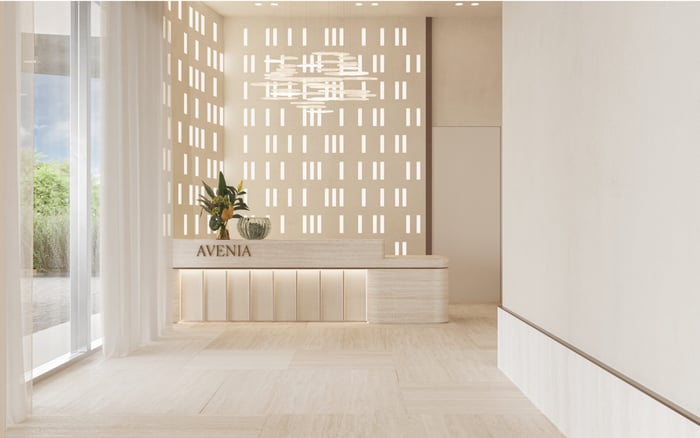
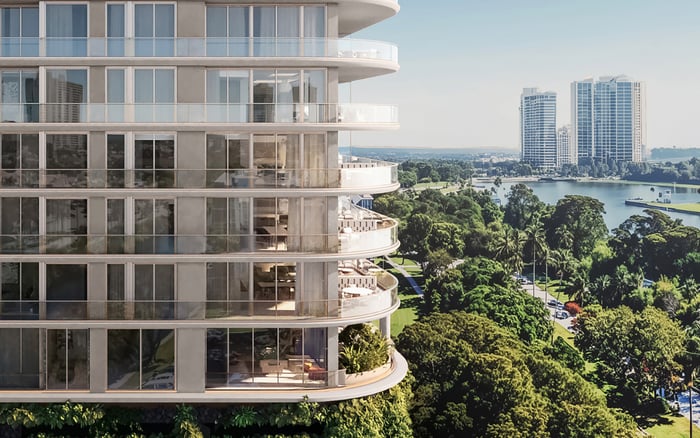
For buyers who place board discipline, reserve planning, rules, and operating simplicity ahead of resort-style spectacle, La Maré Bay Harbor Islands has the clearer structural fit. Avenia Aventura may still satisfy a governance-focused buyer if its documents show disciplined association design, but its lifestyle orientation deserves closer scrutiny.
For a certain South Florida buyer, the most persuasive luxury feature is not a dramatic lobby, a crowded amenity deck, or a social calendar engineered to feel like a private club. It is a condominium structure that appears legible, governable, and durable. That buyer wants clarity around rules, budget discipline, reserves, insurance assumptions, management contracts, and the eventual rhythm of association life.
That is the right frame for La Maré Bay Harbor Islands and Avenia Aventura. This is not chiefly a contest over which community sounds more entertaining in a brochure. It is a comparison between boutique residential simplicity and larger lifestyle-programmed complexity. La Maré Bay Harbor Islands reads as the quieter, more boutique waterfront option in Bay Harbor Islands. Avenia Aventura sits within an Aventura luxury condominium context where larger-scale, amenity-oriented communities are common.
The governance-minded buyer should resist easy conclusions. A smaller or quieter building is not automatically well governed. A richer amenity program is not automatically poorly governed. The real question is which project begins with a structure more likely to support disciplined ownership, and whether the documents confirm that promise.
La Maré Bay Harbor Islands has the clearer structural advantage for buyers who prefer governance over spectacle. Its Bay Harbor Islands setting is presented as quieter and more residential in scale, which naturally aligns with owners who value decorum, predictable daily life, and fewer points of operational friction.
That matters because governance is often tested in ordinary places: how rules are interpreted, how common elements are maintained, how budgets are approved, how reserves are funded, and how residents respond when expectations diverge. A more boutique waterfront environment can reduce the number of moving parts, especially when compared with larger condominium formats organized around extensive amenity programming.
For an investment-minded buyer, this simplicity can be appealing. Fewer flashy common spaces may mean fewer specialized maintenance obligations, fewer operational contracts to monitor, and fewer lifestyle-related disputes for the association to referee. The attraction is not austerity. It is discipline. Luxury, in this reading, comes from confidence that the building is organized around residential permanence rather than constant activation.
Still, La Maré should not be treated as strongly governed merely because its scale and setting suggest lower complexity. A serious buyer must inspect the condominium declaration, bylaws, rules and regulations, proposed or actual budget, reserve approach, insurance assumptions, management structure, rental restrictions, shared-facility arrangements, and developer-turnover provisions. The context is favorable; the documents must do the confirming.
Avenia Aventura sits on the other side of the comparison. It is positioned within Aventura, a market where luxury condominium living often includes a more visible amenity culture. For many buyers, that is the point. They want service, energy, lifestyle infrastructure, and a residence that feels connected to a broader residential experience.
For the governance-first buyer, however, the key question is whether that lifestyle program increases operating complexity for the association. More amenity programming can require more staffing, more vendor oversight, more maintenance scheduling, more rules around use, and more judgment calls from management and the board. None of that is inherently negative, but it does demand stronger administrative design.
Avenia can still work for a buyer who prioritizes governance if its documents demonstrate discipline. The budget should show realistic operating assumptions. The reserve schedule should be coherent. The rules should be clear enough to reduce ambiguity. The management contract should reflect the service level being promised. Rental restrictions and use rules should align with the tone owners expect.
In other words, Avenia Aventura is not disqualified by being more lifestyle-oriented. It simply carries a higher due-diligence burden for the buyer who wants governance to lead the purchase decision.
Strong governance is not a mood. It is a system. In the luxury condominium context, it usually begins with clear legal documents and continues through board discipline, transparent budgets, adequate reserves, thoughtful rules, competent management, and a culture of owner compliance.
The best associations are not necessarily the quietest or the most elaborate. They are the ones where obligations are legible. Owners understand what they are buying into. Common elements have a funding logic. Use restrictions are not vague. Insurance assumptions are not wishful. Turnover from developer control is not treated as an afterthought.
This is why La Maré Bay Harbor Islands appears better aligned at the structural level. Its more residentially oriented profile suggests less operational noise. Avenia Aventura may offer a broader lifestyle canvas, but that broader canvas requires sharper administrative controls to remain elegant over time.
A governance-focused buyer should request and review the declaration, bylaws, rules and regulations, proposed or actual budget, reserve schedule, insurance assumptions, rental restrictions, shared-facility agreements, management contract, and developer-turnover provisions. The review should focus on how decisions will be made, how costs will be shared, and how future obligations will be funded.
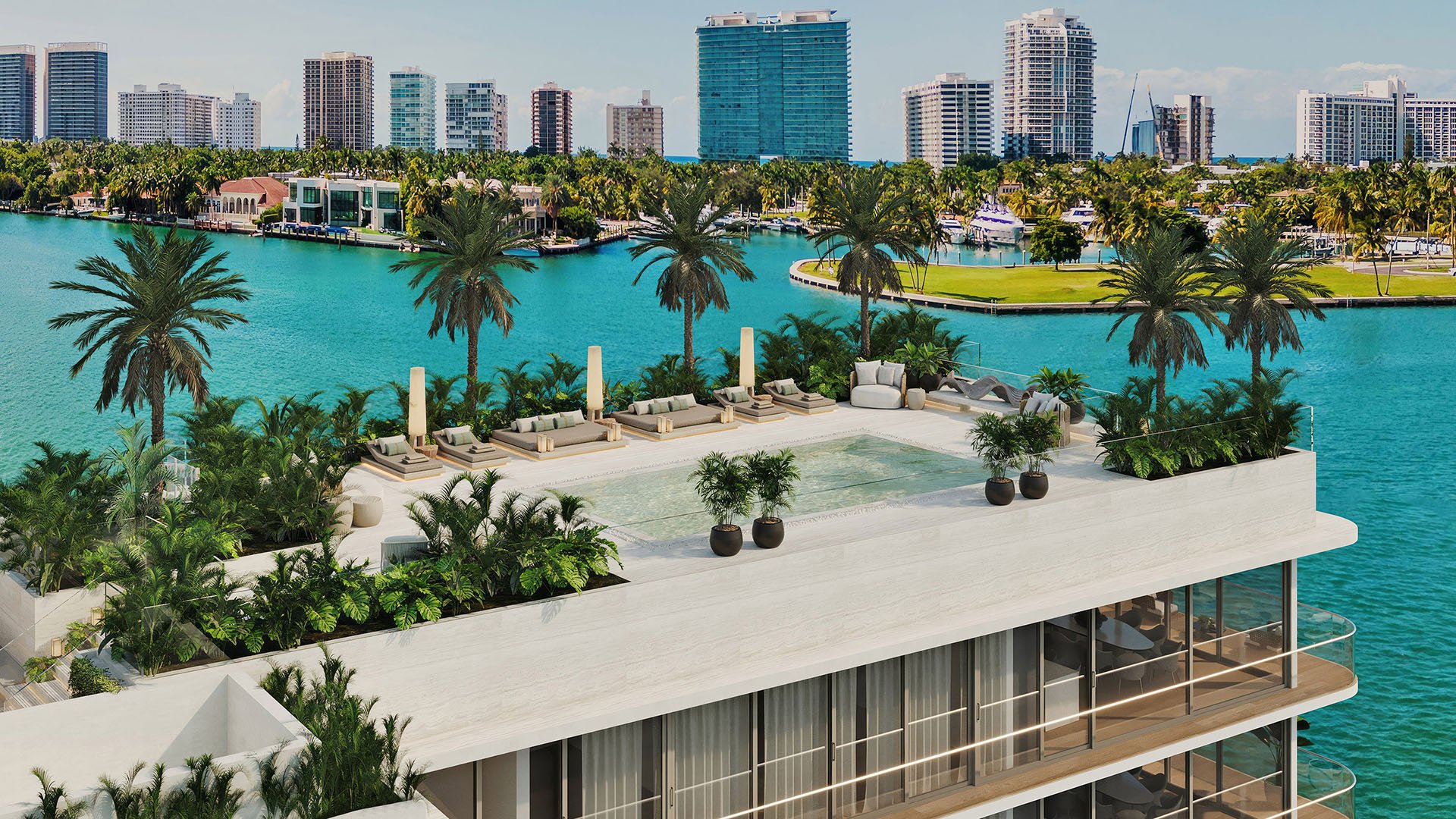
Pay special attention to amenities. The issue is not whether a pool, lounge, wellness area, or service program is desirable. The issue is who maintains it, how often it must be updated, what contracts support it, and how those costs flow through the association. A glamorous amenity can become a governance challenge if its operating model is vague.
For buyers comparing a new project in Bay Harbor Islands with a lifestyle-forward residence in Aventura, the sharper question is not, “Which has more?” It is, “Which has fewer unresolved obligations, clearer rules, and a budget that owners can live with for the long term?”
At the structural and contextual level, La Maré Bay Harbor Islands better supports buyers who prefer strong governance over flashy common spaces. Its boutique, residential waterfront positioning is more naturally aligned with board discipline, reserve planning, rule clarity, and quieter owner life.
Avenia Aventura remains viable for the same buyer only if the documentation proves that its lifestyle programming is matched by disciplined association design. If the buyer wants a more active amenity environment and is comfortable reviewing the operational details carefully, Avenia may still be compelling.
But if the priority is simplicity, decorum, and lower apparent operating complexity, La Maré has the cleaner initial thesis. The final decision should come after document review, not before it.
Which project appears better aligned with governance-focused buyers? La Maré Bay Harbor Islands appears better aligned at the structural level because it reads as quieter, more residential, and less operationally complex.
Does that mean La Maré has proven strong governance? No. Governance cannot be confirmed without reviewing the declaration, bylaws, budget, reserves, rules, and management structure.
Can Avenia Aventura still work for a governance-first buyer? Yes. Avenia Aventura can work if its documents show disciplined budgeting, clear rules, adequate reserves, and well-structured management.
Why can amenity-heavy buildings create governance concerns? More amenities can mean more contracts, staffing, maintenance, usage rules, and potential disputes for the association to manage.
Are fewer amenities always better for governance? Not always. Fewer amenities may reduce complexity, but the building still needs sound documents, reserves, management, and owner compliance.
What should buyers review first? Start with the declaration, bylaws, rules, budget, reserve schedule, insurance assumptions, rental limits, and management contract.
Why does Aventura matter in this comparison? Aventura is associated with a luxury condominium context where larger-scale and amenity-oriented communities are common.
Why does Bay Harbor Islands matter in this comparison? Bay Harbor Islands supports the quieter residential reading of La Maré, which may appeal to buyers prioritizing decorum and simplicity.
Is this comparison mainly about amenities? No. It is about whether boutique residential simplicity or lifestyle-programmed complexity better supports disciplined ownership.
What is the practical verdict? La Maré has the stronger governance-oriented thesis, while Avenia requires more document-based confirmation before reaching the same conclusion.
For a discreet conversation and a curated building-by-building shortlist, connect with MILLION.
If branded residences are on your mind — as a home or as an allocation — we would be glad to share what we are seeing, privately.
Begin a quiet conversation