A disciplined framework for reviewing master insurance, flood protection, deductibles, reserves, and potential assessment exposure before buying at Regalia.
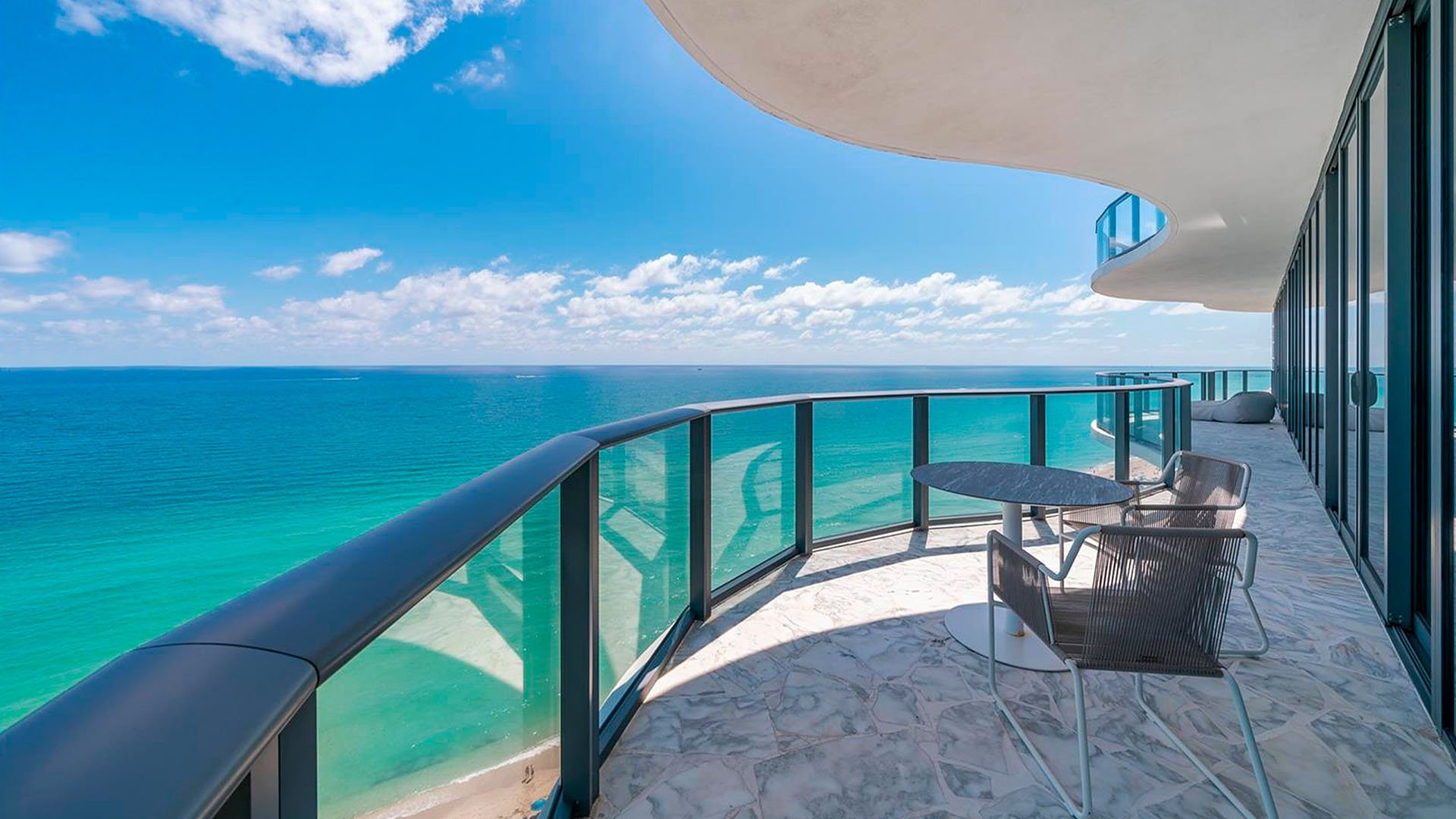
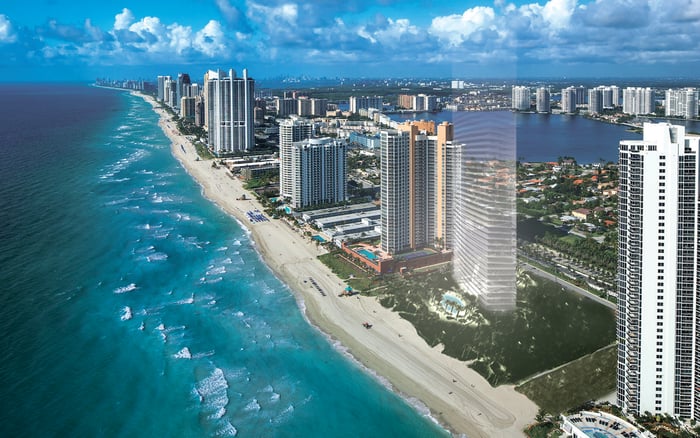
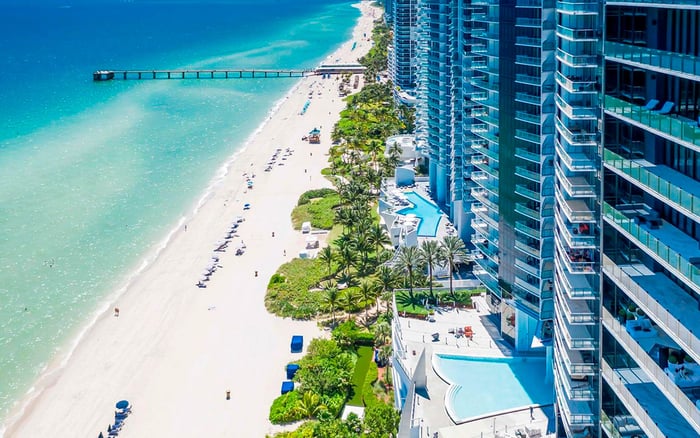
Regalia Sunny Isles Beach is an ultra-luxury condominium development in Sunny Isles Beach with an oceanfront setting. That position is central to its appeal, but it also makes insurance diligence essential to any acquisition review.
A buyer should look beyond premium finishes and private living spaces to understand how the condominium association transfers, retains, and funds risk. The critical questions involve master policies, flood protection, deductibles, reserves, claims, and the possibility that owners may be asked to contribute additional capital after a loss.
The available property information does not establish Regalia's current coverage limits, exclusions, deductibles, claims record, reserve balances, or special-assessment exposure. Those points must be verified through current association records, not inferred from the building's luxury positioning.
Request current declarations and complete policy forms for every association policy relevant to the property. Declarations offer a useful overview, but they do not replace endorsements, exclusions, schedules, definitions, and coverage conditions. The review should identify the named insured, policy period, covered property, limits, sublimits, deductibles, valuation basis, and any material exclusions.
Wind coverage warrants particular attention. Ask whether windstorm protection is included within a broader property policy or arranged separately, then confirm how the deductible is calculated. A percentage deductible can create a materially different retained loss than a fixed-dollar amount, depending on the value to which the percentage applies. Counsel and an experienced insurance adviser can clarify the operative language.
Buyers comparing Sunny Isles inventory, including Armani Casa Sunny Isles Beach and Muse Residences Sunny Isles Beach, should apply the same documentary standard to every candidate. Brand, architecture, and amenities cannot substitute for a policy-level review.
Wind and flood require distinct diligence tracks. A property policy may not address the risks raised by rising water, storm surge, or other flood-related conditions. Obtain the association's flood-policy declarations and complete forms, along with current flood-zone documentation and any available elevation or building-specific materials maintained by the association.
The central task is to map coverage to the physical property. Determine which portions of the building, common elements, equipment, interiors, and improvements the association insures-and which remain the unit owner's responsibility. Pay close attention to sublimits, waiting periods, valuation provisions, and exclusions that could create gaps between the master program and an owner's personal policy.
This distinction applies throughout the coastal market. A review of The Ritz-Carlton Residences® Sunny Isles or Jade Signature Sunny Isles Beach should likewise treat flood documentation as a separate workstream, not a footnote to wind insurance.
A deductible is not merely a policy term. It is a funding obligation retained by the association and, indirectly, its owners. For each major peril, establish the deductible amount or formula and determine how the association expects to fund it. The answer may involve operating cash, designated reserves, other available funds, borrowing, an owner assessment, or some combination, subject to the governing documents and applicable requirements.
Model several scenarios rather than focusing solely on a total loss. A moderate event could trigger a substantial deductible while also generating uncovered repairs, temporary operating expenses, or costs above a sublimit. The analysis should estimate the unit's potential share under the governing allocation method without assuming that share absent documentary and legal confirmation.
For an investment or second-home purchase, liquidity planning is especially important. Insurance proceeds may not arrive on the same schedule as repair invoices, and a unit may incur carrying costs while building-level work proceeds. The prudent question is not only whether coverage exists, but whether the association can promptly meet its retained obligations.
Insurance and reserves should be assessed together. Request the latest reserve study, current budget, recent financial statements, bank or investment statements where available, and a schedule of reserve components and balances. Compare planned contributions with anticipated projects and known obligations.
The objective is to determine whether reserves are both appropriately designated and practically available. Restricted funds, committed capital projects, deferred maintenance, or near-term repairs can limit flexibility after an insured event. Ask whether the budget includes an insurance contingency and whether rising premiums or deductibles have altered the association's funding strategy.
Meeting minutes can provide vital context. Review board and owner records for discussions of renewals, nonrenewals, premium changes, claims, engineering matters, repairs, reserve decisions, borrowing, litigation, and possible assessments. A certificate stating that no assessment is currently due does not necessarily address proposals still under discussion.
Request a current loss run or claims history, together with supporting information for open matters. For each material claim, determine its status, deductible, repair scope, amount paid or reserved, and whether coverage has been disputed. Also establish whether completed work exhausted the claim or left costs for the association to absorb.
Special-assessment diligence should encompass adopted assessments, pending notices, board discussions, owner votes, payment schedules, delinquencies, and any financing arrangements. Confirm in the purchase contract who is responsible for installments due before and after closing. This legal and transactional point should be settled expressly.
For a resale acquisition, read the estoppel, seller disclosures, association questionnaire, and contract alongside the underlying records. The principle is straightforward: summaries are useful, but primary documents determine the quality of the analysis.
Provide the association materials to the buyer's insurance adviser before the inspection and financing periods expire. The unit-owner policy should be structured around the master program, including responsibility for interior finishes, personal property, liability, loss assessment, temporary living costs, and any improvements beyond the association's insured scope.
Confirm that the personal policy's loss-assessment protection is appropriate for the contemplated exposure, and understand its exclusions and limits. Lenders, if involved, may impose separate insurance conditions. The final structure should therefore be coordinated among insurance, legal, lending, and condominium-review professionals before closing.
Is Regalia an oceanfront condominium? Yes. Regalia is an ultra-luxury condominium development with an oceanfront location in Sunny Isles Beach.
Are Regalia's current wind limits publicly established here? No. Buyers should obtain current declarations, complete policies, endorsements, and deductible schedules from the appropriate transaction parties.
Why is the full policy necessary if declarations are available? Declarations summarize coverage, while complete forms contain exclusions, definitions, conditions, sublimits, and endorsements that can materially affect recovery.
Should flood coverage be reviewed separately from wind coverage? Yes. Buyers should examine the flood policy and flood-zone documentation as a distinct diligence workstream.
How should a percentage wind deductible be evaluated? Confirm the percentage, the value to which it applies, and the resulting dollar exposure with qualified insurance and legal advisers.
Can reserves be used to fund an insurance deductible? That depends on the association's finances, governing documents, fund restrictions, and applicable requirements, all of which require review.
Which financial records matter most? Request the reserve study, budget, recent financial statements, reserve balances, insurance costs, and records of planned capital work.
What can meeting minutes reveal? Minutes may identify insurance renewals, claims, repairs, reserve decisions, borrowing discussions, and contemplated special assessments.
What should a buyer request concerning past claims? Ask for available loss runs and details on open claims, disputed coverage, deductibles, repairs, and unreimbursed costs.
When should personal insurance be arranged? Begin during diligence so the unit-owner policy can be coordinated with the master program and any lender requirements before closing.
For a tailored shortlist and next-step guidance, connect with MILLION.
If branded residences are on your mind — as a home or as an allocation — we would be glad to share what we are seeing, privately.
Begin a quiet conversation