A discreet approach to hosting during Miami Art Week 2026 starts with written approvals, workable service routes, a defined staffing plan, and a fully itemized event agreement. For Downtown Miami buyers, these details also offer a useful lens on residential entertaining.

An invitation sets the tone. A written operating plan protects it. For a Downtown Miami host planning a collector’s dinner or private reception during Miami Art Week 2026, the most consequential decisions happen behind the scenes: who may cater, how equipment reaches the room, who supervises service, and what the final invoice includes.
Before choosing an event date, verify the published 2026 schedules for the fairs, previews, and exhibitions your guests intend to attend. Keep invitation-only access separate from public opening hours, and consider travel between Downtown Miami and any Miami Beach engagements when setting arrival times.
Treat the calendar as a planning framework, not permission to host. Before issuing invitations, define the proposed setting, guest count, service format, and event hours. A seated dinner and a standing reception warrant separate operational reviews, even when the invitation list is identical.
First, ask whether the intended gathering is permitted in the proposed space on the selected date. Distinguish between entertaining inside a residence and reserving a shared amenity or separate venue. Request written confirmation of the approving party, permitted use, capacity, reservation terms, and any conditions attached to outside vendors.
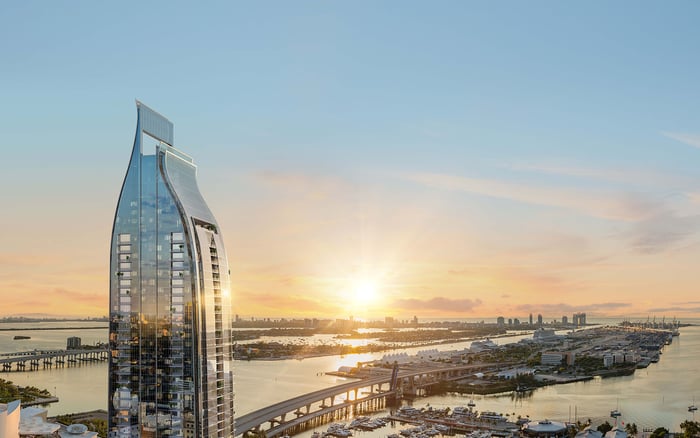
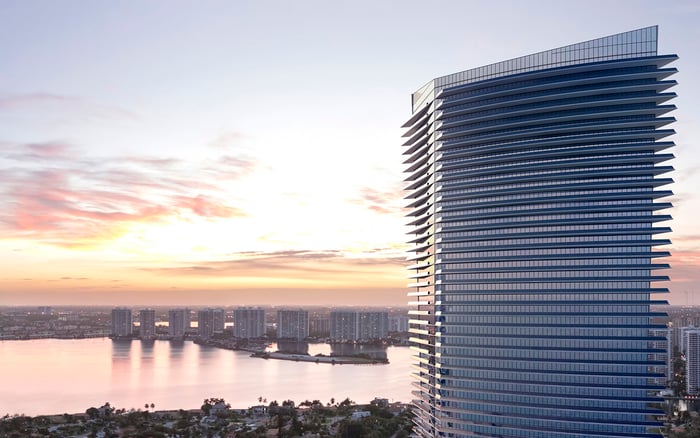
For buyers considering Aston Martin Residences Downtown Miami, the question is not simply whether a home looks suited to entertaining. It is whether the applicable documents and management approvals support the owner’s intended style of hosting. Do not infer event permissions from a project’s name, imagery, or residential positioning.
Keep fair admission rules separate from private-event approvals. A fair’s group-visit arrangements do not establish capacity or permission for a Downtown dinner; obtain approval for the specific space and occasion.
A menu should follow the operating brief, not substitute for it. Ask whether outside caterers are eligible, whether vendors require individual approval, and what documentation must be submitted. Request insurance requirements and confirmation of any applicable permits, along with submission deadlines and the person authorized to accept the documentation.
Clarify beverage arrangements separately. Ask who may supply and serve alcohol, whether a designated provider is required, and whether corkage or other beverage charges apply. A caterer’s willingness to work an event is not evidence that the property has approved the arrangement.
Then test the menu against the proposed preparation area. Confirm available kitchen access, permitted equipment, storage, and arrangements for deliveries and waste. If an element of the menu depends on equipment or space that has not been approved, keep an alternative until approval is documented.
For a purchaser evaluating Casa Bella by B&B Italia Downtown Miami, this is a practical due-diligence exercise: ask how a preferred catering concept would be assessed, without assuming any particular vendor policy or kitchen entitlement.
Request a floor plan identifying guest and service entrances, loading areas, freight elevators, preparation spaces, and emergency exits. Ask which routes are available to the event and whether any access must be reserved. Do not presume that a route visible during a tour is available to outside vendors.
Trace a proposed delivery from arrival through staging, preparation, service, and removal. Ask where equipment can wait without obstructing circulation and how empty cases, rental packaging, and waste will leave. The aim is to identify potential conflicts before they become visible to guests.
Obtain written load-in and breakdown windows. Confirm whether those windows include elevator access, setup, cleaning, and rental collection, or whether each requires separate approval. Ask what happens if a delivery arrives outside its allotted window.
Give the same approved access plan to the caterer, rental provider, planner, and property contact. A shared plan lets each participant assess feasibility against the same constraints, rather than a different interpretation of the room.
Ask for a staffing plan tied to the event format, not an unexplained total. It should identify proposed service staff, setup and breakdown labor, and the person responsible for coordinating the evening. Separately, confirm any security, engineering, or cleaning personnel the property would require.
For every role, clarify the scheduled start and finish, minimum paid hours, overtime trigger, and who may authorize an extension. Ask whether quoted hours cover preparation and departure tasks as well as guest-facing service. Do not assume the end of the reception is the end of paid labor.
The same questions belong in a Brickell property comparison. A buyer considering Cipriani Residences Brickell should request the applicable entertaining arrangements directly, rather than infer staffing availability or inclusions from the residential brand. Keep potential, confirmed, and contracted services distinct.
Do not budget around an assumed standard Art Week surcharge. Request a dated, itemized proposal for the exact event, location, and service window. If a peak-week premium applies, ask for its amount, calculation basis, and the services or access it covers.
The quote should address service staff, setup and breakdown labor, minimum hours, overtime, security, engineering, cleaning, kitchen use, corkage, and any applicable food-and-beverage minimum. Ask the provider to distinguish included items from optional additions and charges that depend on actual use.
Review how taxes, service charges, gratuities, deposits, and cancellation terms would affect the total. Ask whether a deposit is refundable and whether subsequent changes to guest count or timing alter the price. Resolve these matters in the agreement; do not treat them as presumed Downtown Miami practices.
Give each prospective provider the same brief. A lower headline figure offers no useful comparison until staffing hours, access assumptions, and exclusions are aligned.
Before committing to the final guest experience, assemble the approved event brief, catering and beverage permissions, access plan, staffing schedule, itemized quote, and named decision-makers. Ask the relevant parties to resolve inconsistencies in writing.
For a residential buyer, this exercise also clarifies what effortless entertaining would require in practice. The right comparison is not only between rooms and views, but between the intended occasion and the arrangements that can actually be approved. Discretion begins with removing uncertainty before guests arrive.
Explore South Florida residences with your entertaining priorities in mind at MILLION.
If branded residences are on your mind — as a home or as an allocation — we would be glad to share what we are seeing, privately.
Begin a quiet conversationVerify the published schedules for the fairs, previews, and exhibitions your guests intend to attend. Confirm the proposed space is available and the event can be approved before issuing invitations.
No. Verify the access arrangements and hours relevant to your guests rather than assuming a public schedule covers invitation-only events.
Allow for travel between those engagements and the Downtown Miami event when setting arrival times.
No. Request capacity and event approval for the specific Downtown space rather than relying on a fair’s admission arrangements.
No. Request written confirmation of caterer eligibility, vendor approval requirements, insurance, and any applicable permits before committing.
Ask who may supply and serve alcohol, whether a designated provider is required, and whether corkage or other beverage charges apply.
Request a plan identifying guest and service entrances, loading areas, freight elevators, preparation spaces, and emergency exits. Confirm authorized routes and load-in and breakdown windows in writing.
Request roles, scheduled hours, minimum paid hours, and overtime triggers, including setup and breakdown. Ask separately about any required security, engineering, or cleaning personnel.
No. Request an event-specific quote and ask that any peak-week premium be identified with its amount, calculation basis, and inclusions.
No. Buyers should request applicable documents and written approvals rather than infer catering permissions, staffing availability, or kitchen access from branding.