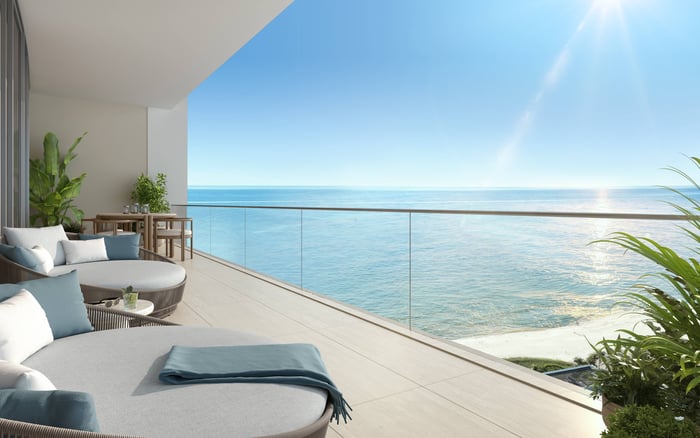
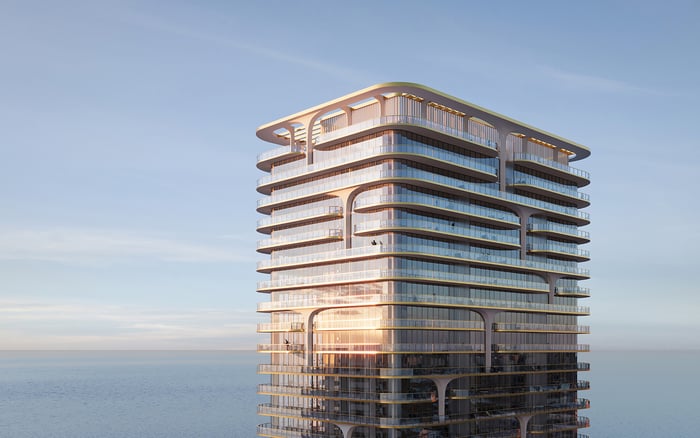
A due-diligence comparison of W Pompano Beach Hotel & Residences and Waldorf Astoria Residences Pompano Beach, focused on the factors luxury buyers should assess when considering ownership and future resale resilience.
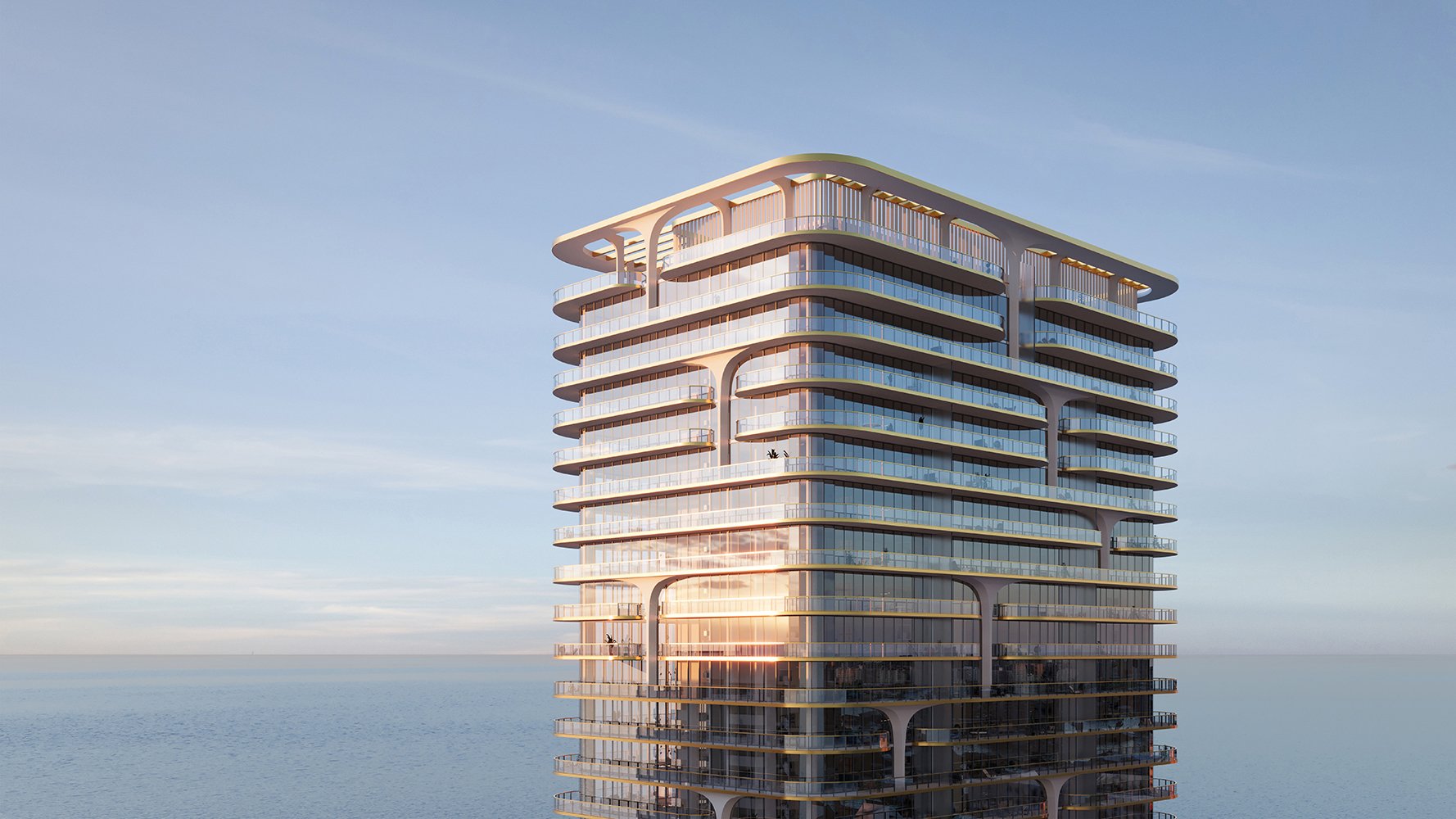
This comparison considers W Pompano Beach Hotel & Residences and Waldorf Astoria Residences Pompano Beach through the lens of future resale resilience. With no verified project-specific resale evidence in the supplied record, buyers should treat resilience as an investment thesis rather than an established result.
A hospitality name may attract attention, but branding alone cannot determine future liquidity or value. The more durable ownership case depends on how the residence, operating structure and day-to-day experience fit both the original buyer and a credible future buyer pool.
Resale resilience describes a residence’s ability to remain desirable when market conditions, competing inventory and buyer preferences change. It is not a promise of appreciation, a guaranteed sale timeline or protection against loss.
The analysis should begin with attributes that are difficult to reproduce. Buyers can assess view exposure, floor-plan efficiency, privacy, outdoor space, parking, arrival experience and the relative scarcity of a particular residence type. These qualities should then be weighed against recurring costs, use restrictions and the practical value of the amenity program.
A residence can appear distinctive at launch yet face future resistance if its carrying costs are difficult to justify. Conversely, a well-selected home may remain compelling when its layout, privacy and use rights align with the needs of a broad but qualified resale audience.
The two projects should not be evaluated as interchangeable purchases. Buyers need to establish what they would own, how they may use it, which spaces are shared and what obligations accompany ownership.
Any hotel-related or rental component requires separate review. Buyers should verify eligibility, owner-use rules, management arrangements, costs, revenue allocation, termination provisions and the effect of participation on resale. Marketing descriptions should never replace the controlling documents.
Privacy also deserves close attention. Elevator access, shared circulation, visitor management, service protocols and separation between different user groups can materially influence the residential experience. These details may matter more to a future buyer than a long amenity list.
The comparison set can extend beyond the two projects in the title. Buyers may also review The Ritz-Carlton Residences® Pompano Beach, Armani Casa Residences Pompano Beach and Casamar when considering alternative ownership propositions in Pompano Beach.
A useful comparison goes beyond headline branding. It should examine residence mix, privacy, service model, amenity access, operating budget, reserve planning and the relationship between monthly obligations and actual owner use. Buyers should also consider whether a chosen residence has direct substitutes within the same project or nearby inventory.
Before committing, buyers should request and review the current purchase agreement, condominium documents, projected operating budget and complete schedule of recurring charges. Legal and financial advisers can help evaluate assignment provisions, resale limitations, cancellation rights, deposit protections and other contractual obligations.
Construction and delivery assumptions should be verified directly through current project documents. Buyers should avoid relying on unconfirmed dates, prices, payment schedules or marketing statements, particularly when those details could affect financing, liquidity or intended occupancy.
The strongest selection is not automatically the largest residence or the highest floor. A disciplined decision balances personal use with future marketability, considering layout, privacy, views, carrying costs, restrictions and the depth of the likely resale audience.
For both W Pompano Beach Hotel & Residences and Waldorf Astoria Residences Pompano Beach, the long-term ownership proposition will depend on more than initial presentation. Service consistency, property maintenance, governance, financial discipline and the continuing relevance of the residential experience can all influence future buyer perception.
Luxury buyers should therefore separate what is visually compelling from what is contractually established and operationally sustainable. That approach creates a clearer basis for comparing the two projects while keeping the focus on ownership quality rather than branding alone.
Do these projects have proven resale resilience? The supplied record does not provide verified project-specific resale evidence. Buyers should treat resilience as a forward-looking thesis, not a demonstrated result.
Does a hospitality brand guarantee appreciation? No. Branding may support recognition, but future value also depends on pricing, costs, restrictions, condition, execution and competing inventory.
What should buyers compare between the two projects? Buyers should compare ownership structure, use rights, privacy, service model, amenity access, recurring costs and governing documents.
Why do carrying costs matter to resale? Recurring obligations affect affordability and can narrow the future buyer pool. They should be assessed against the services and benefits owners are likely to use.
How should a rental or hotel program be evaluated? Verify eligibility, owner-use limits, management costs, revenue allocation, termination rights and resale implications in the controlling documents.
Which physical attributes may support differentiation? Layout efficiency, privacy, views, outdoor space, parking and scarcity within the competitive set may help distinguish a residence.
What documents should buyers review before committing? Review the purchase agreement, condominium documents, projected budget, recurring-charge schedule and all applicable use or transfer restrictions.
Should buyers rely on advertised delivery timing or payment terms? No. Dates, prices and payment requirements should be confirmed through current project documents before they inform a purchase decision.
How can buyers assess competing Pompano Beach projects? Compare residence types, operating structures, privacy, service expectations, budgets and the availability of similar homes nearby.
Is the highest floor always the most resilient purchase? Not necessarily. Future marketability depends on the combined appeal of the layout, view, privacy, costs, use rights and price position.
For a tailored shortlist and next-step guidance, connect with MILLION.
If branded residences are on your mind — as a home or as an allocation — we would be glad to share what we are seeing, privately.
Begin a quiet conversation