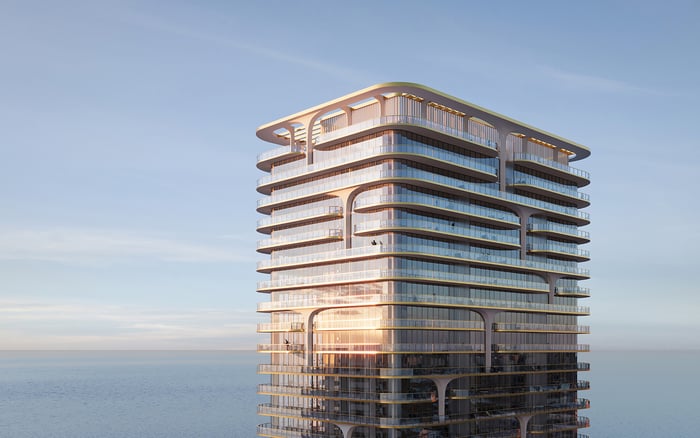
A disciplined liquidity plan can help Casamar buyers balance closing certainty, financing flexibility, reserve needs, and portfolio considerations without relying on unsupported assumptions.
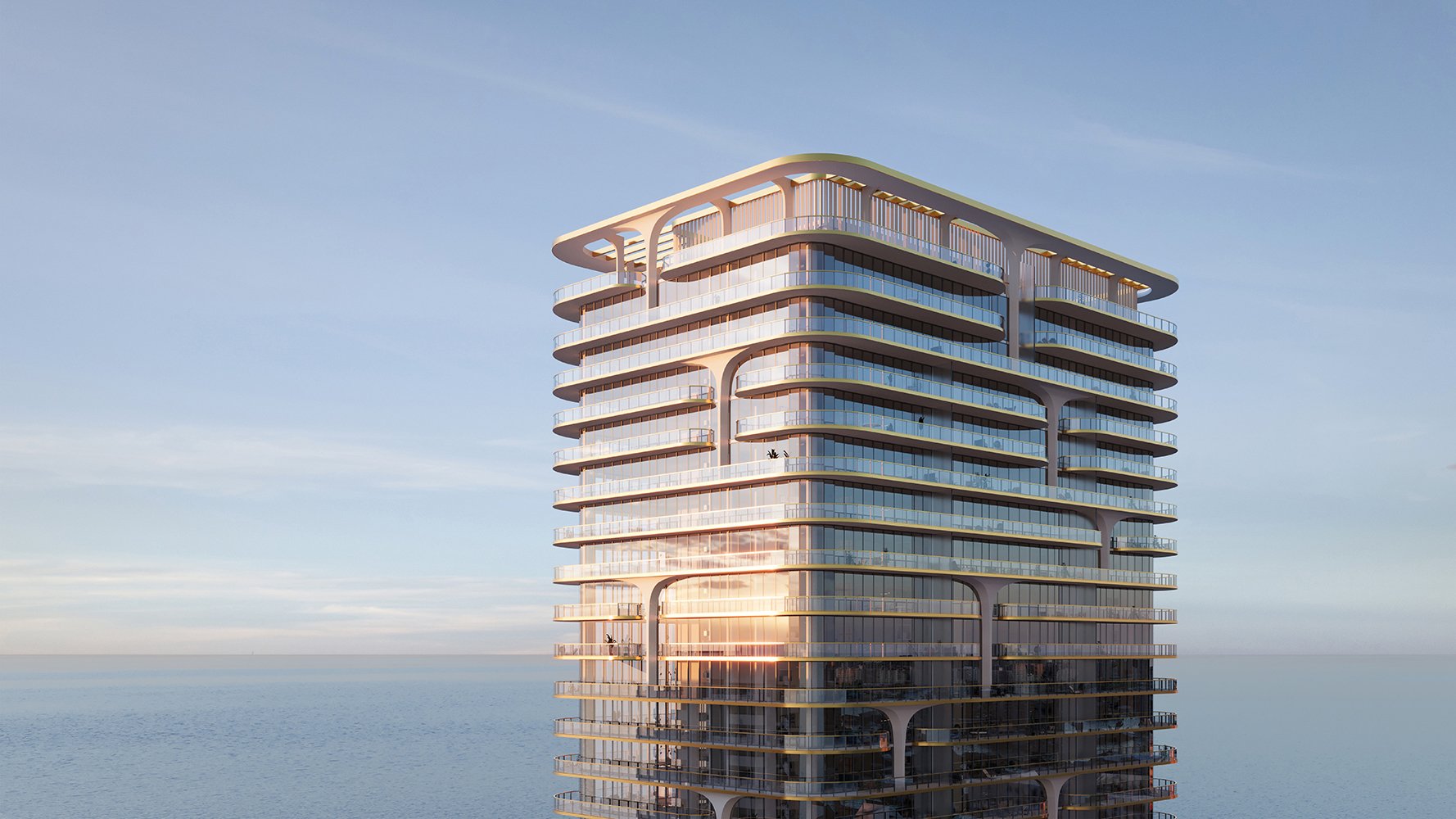
For a luxury buyer considering Casamar, liquidity planning is not limited to confirming that funds exist. The buyer must also decide when capital should become available, which assets may be used, and how much flexibility should remain after closing.
Cash and financing can each serve a strategic purpose. The appropriate structure depends on the contract, the buyer’s financial position, the reliability of each funding source, and the buyer’s tolerance for financing conditions.
Casamar payment obligations, deadlines, closing costs, and other requirements should be confirmed through current project and contract documents. Counsel and financial advisers can then help organize those obligations into a dated funding calendar.
Each scheduled payment should have a clearly identified source of funds and a practical alternative. The plan should account for transfer procedures, documentation, internal approvals, and any conditions that could delay access to capital.
A buyer should not assume that a credit facility will remain available on unchanged terms. Availability and timing should be confirmed directly with the relevant financial institution before the funds are needed.
Cash can simplify a transaction by removing financing conditions from the closing process. It can also reduce exposure to underwriting, appraisal, documentation, and funding delays.
An all-cash purchase may, however, place more capital into a single property. Buyers should consider whether that allocation leaves sufficient flexibility for personal obligations, business needs, property expenses, and other investments.
The same framework applies when comparing Casamar with The Ritz-Carlton Residences® Pompano Beach. Contractual terms and liquidity requirements should be assessed separately for each project rather than assumed to be interchangeable.
Portfolio-backed lending may provide liquidity without requiring an immediate asset sale. Its suitability depends on current lender terms, eligible collateral, borrowing costs, documentation, and the buyer’s broader financial plan.
Because collateral values and lending terms can change, buyers should assess how the plan would respond to reduced borrowing capacity, higher costs, or requests for additional collateral. They should also confirm that the facility permits the intended use of proceeds and can fund within the required timetable.
These considerations also apply when reviewing W Pompano Beach Hotel & Residences or another South Florida residence. Financing should be evaluated against the current documents for the specific acquisition.
Acquisition funds should be distinguished from capital reserved for ongoing obligations and unexpected needs. The appropriate reserve amount is specific to the buyer and should be evaluated with qualified financial, legal, and tax advisers.
A useful stress test is whether the buyer could complete each required payment while continuing to meet other obligations without an unplanned asset sale. If the plan depends entirely on one funding source remaining available, an additional liquidity route may improve resilience.
A financed buyer can reduce execution risk by beginning underwriting early, maintaining complete documentation, confirming transfer procedures, and keeping required funds accessible. Ownership through trusts, entities, or other structures may require additional review and coordination.
The closing plan should include verified instructions, current funding requirements, and a backup route that can be used within the contractual timetable. When comparing Casamar with Waldorf Astoria Residences Pompano Beach, the buyer should rely on the current documents for each project.
Liquidity planning should extend beyond the acquisition date. Buyers should consider expected property obligations, insurance, taxes, maintenance, and other ownership costs using current information supplied by the appropriate professionals and governing documents.
The acquisition structure should not depend on a particular resale date, refinancing outcome, or change in market conditions. A conservative plan preserves options if the buyer chooses or needs to hold the residence longer than anticipated.
Should a Casamar buyer automatically pay all cash? No. The choice should reflect the contract, available liquidity, financing conditions, and the buyer’s broader financial plan.
What should be reviewed before signing a Casamar contract? The buyer and counsel should review the current contract, payment obligations, deadlines, closing requirements, and applicable project documents.
Why create a dated funding calendar? It connects each contractual obligation with a specific funding source, transfer process, and deadline.
Should every payment have a backup funding source? A practical alternative can reduce the risk that a delay or change affecting one source disrupts the transaction.
Can a securities portfolio support the purchase? It may support portfolio-backed lending if permitted by the lender, subject to collateral eligibility, borrowing terms, and underwriting.
What risks accompany portfolio-backed lending? Borrowing capacity, collateral requirements, and costs may change, so buyers should assess how those changes could affect closing readiness.
How should reserve levels be determined? Reserve needs should reflect the buyer’s ongoing obligations, ownership costs, risk tolerance, and advice from qualified professionals.
What makes a financed closing more reliable? Early underwriting, complete documentation, confirmed transfer procedures, accessible funds, and a workable backup plan can reduce execution risk.
Can assumptions from another project be applied to Casamar? No. Buyers should review the current contract and project documents for each residence independently.
Should liquidity planning continue after closing? Yes. The plan should account for ongoing ownership obligations and avoid depending on a specific resale or refinancing outcome.
When you're ready to tour or underwrite the options, connect with MILLION.
If branded residences are on your mind — as a home or as an allocation — we would be glad to share what we are seeing, privately.
Begin a quiet conversation