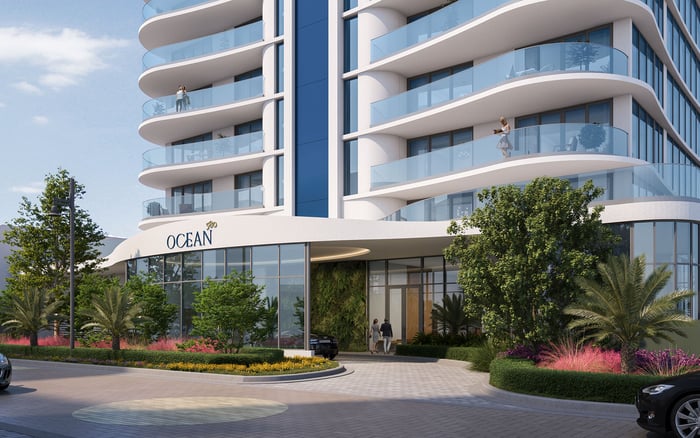
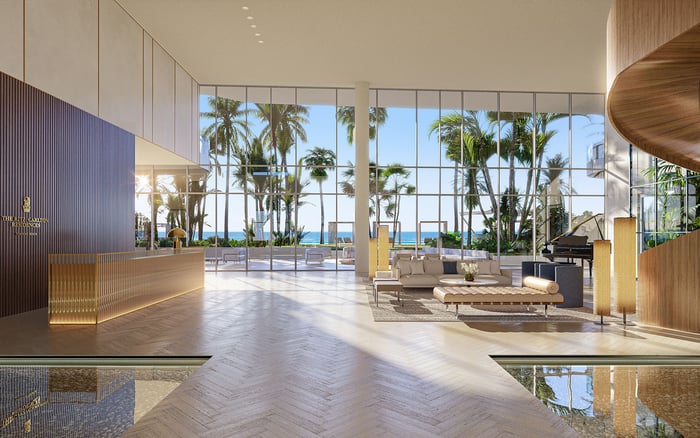
W Pompano Beach pairs private residences with condo-hotel suites and a layered amenity offering. For buyers, the decisive questions concern documented service hours, seasonal staffing, ownership rights and who pays for the resort experience.
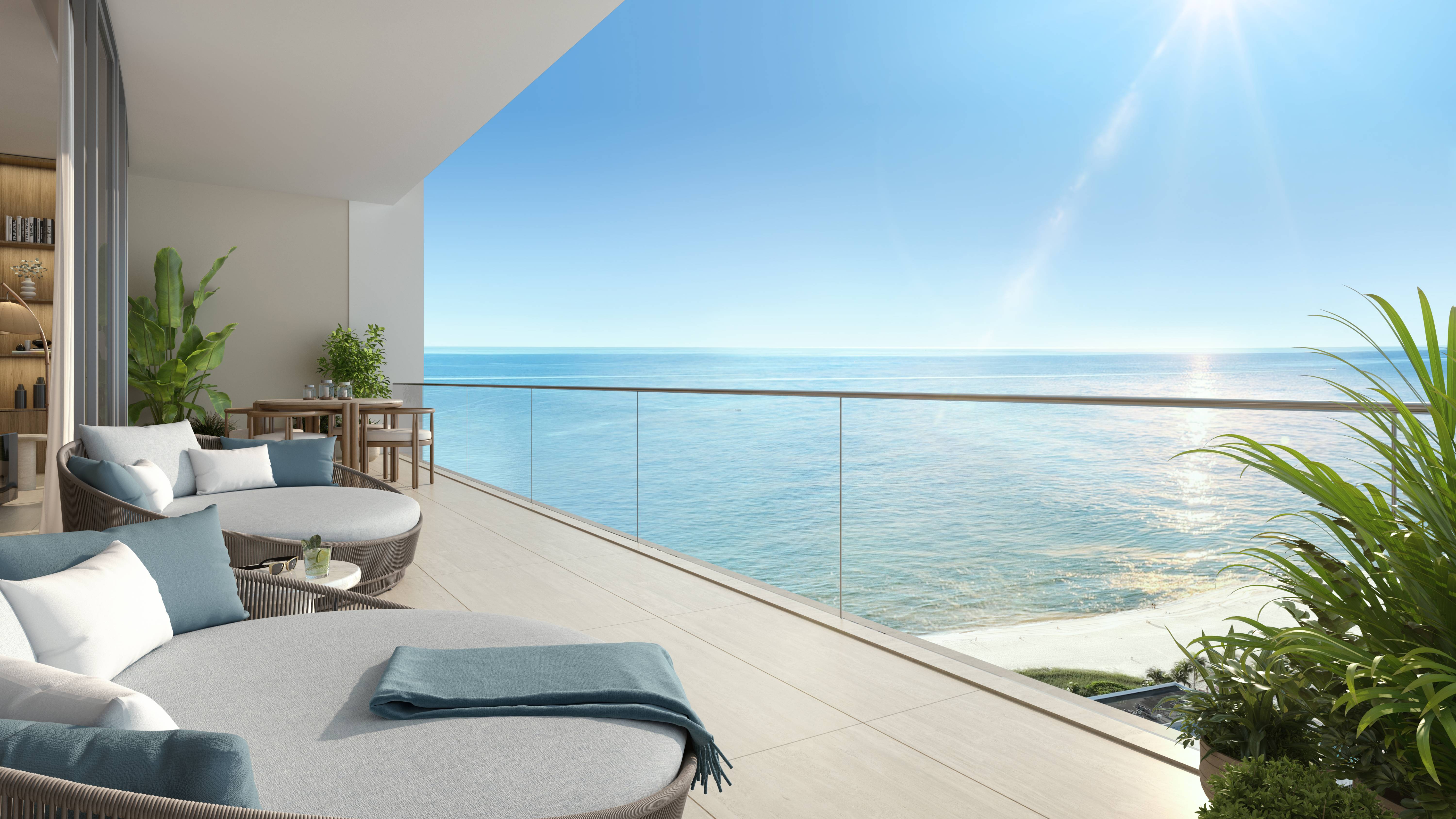
The appeal of W Pompano Beach Hotel & Residences is not simply an oceanfront address. It is the prospect of a private home supported by hospitality: reservations arranged, groceries coordinated and afternoons by the water made easier. Marketed at 20 N. Ocean Boulevard, the planned development combines 74 private condominium residences with 296 furnished condo-hotel suites. That distinction shapes the ownership proposition.
For a buyer, the central question is how the advertised experience translates into daily life. Amenity access is not a guaranteed service schedule. The disclosed offering details considered here do not establish project-specific beach-service hours, minimum staffing levels, seasonal reductions or guaranteed year-round availability. Those matters require written confirmation, not an inference from the W name.
The task is to evaluate the promise precisely: which home is being purchased, which services accompany it and which operating commitments support the intended lifestyle.
Private residences are marketed in two- to four-bedroom configurations, including penthouses, for full-time or seasonal private living rather than daily hotel rentals. Buyers should nevertheless confirm rental restrictions in the governing documents. Residential positioning is no substitute for the actual permitted-use provisions.
The furnished condo-hotel suites range from studios to two-bedroom units and are marketed as eligible for the W Hotels rental program when owners are absent. The described program handles bookings, housekeeping, guest services and marketing, with revenue sharing governed by an agreement.
For suite buyers, rental participation raises questions beyond the floor plan: owner-occupancy limits, program fees, revenue splits and the treatment of operating expenses. The availability of a managed rental option does not settle any of them.
The developer is identified as 20 North Oceanside Owner, LLC, and the condominium is marketed using Marriott’s W brand. Marriott International is expected to manage on-site hospitality services. This is a planned operating arrangement, not evidence of an established service record at the property.
Residence owners are promised access to the full suite of W hotel amenities alongside owner-exclusive facilities. Advertised private amenities include a pool deck, outdoor barbecue, owner’s club lounge and dedicated fitness center. The residential positioning deliberately pairs a discreet oceanfront home with the energy of a W hotel, rather than an exclusively private residential atmosphere.
The service menu is similarly expansive: private transportation, personal chefs, childcare, housekeeping, grocery shopping, dog walking, plant care and in-suite dining. Yet a menu identifies what is offered, not necessarily what recurring ownership charges include.
Travel and transportation assistance, along with restaurant, theatre, golf, watersports and yachting reservations, appear within an essential-services category. Grocery shopping and laundry or dry cleaning appear separately as à la carte services. Buyers should distinguish arranging a service from paying for its delivery.
For those also considering Waldorf Astoria Residences Pompano Beach, the useful comparison is the written service package, not brand familiarity alone. Questions about inclusion, availability and fees deserve separate answers at each property.
A beach amenity becomes meaningful through its operating hours. An owner who prefers an early swim has different requirements from one who arrives after a late lunch. If setup, towels and refreshments follow different schedules, shoreline access alone does not establish whether the desired service will be available.
No specific daily beach-service schedule should be treated as established for W Pompano Beach solely on the strength of its advertised amenities. The “Whatever/Whenever” philosophy does not establish unlimited operating hours, complimentary service or guaranteed availability.
Request written beach and pool schedules by season, with separate times for attendant coverage, towel distribution and food-and-beverage service. Confirm whether the last seating or order precedes the stated closing time and how weather-related interruptions are handled. These are diligence questions, not descriptions of current project policy.
Owner seating priority also warrants a direct answer. Determine whether any priority exists, how reservations would work and what guest privileges apply. A desirable location and an extensive service menu do not, by themselves, establish access to a lounger at a preferred time.
Seasonal staffing matters because an owner may use the residence very differently from a hotel guest. A household returning for extended stays needs to understand the baseline service throughout its occupancy, not merely the offering during a particular visit.
Staffing tied to occupancy, greater competition for loungers during busy periods and a quieter summer atmosphere are possibilities to investigate-not documented outcomes at W Pompano Beach. There is no established basis here to claim either seasonal service reductions or a guaranteed constant staffing level.
Request minimum attendant coverage and ask whether commitments change by season or hotel occupancy. Seek separate answers for the beach, shared pools, owner-exclusive pool and owner’s lounge. Exclusive access does not automatically establish dedicated staffing.
Ask who can authorize changes and how owners would be notified. For a seasonal resident, predictability may matter more than the breadth of services available occasionally or by advance arrangement.
The ownership structure includes separate residential and hotel condominium associations. Both belong to a master association and must pay master-association fees. The allocation of shared-service costs is therefore a central purchase consideration.
Separate associations do not, on their own, establish residents’ authority over hotel staffing, shared budgets or operational changes. Buyers should have counsel identify which entity controls each relevant service and which documents define its obligations. The budget review should then trace how beach-service expenses are allocated among hotel operations and the associations.
Distinguish a contractual minimum from a proposed operating plan, and identify any rights to amend either. Ask how owners can address a service shortfall and whether the documents provide a remedy.
A buyer comparing The Ritz-Carlton Residences® Pompano Beach should apply the same document-led test independently. Similar lifestyle language does not establish identical governance, service rights or cost allocations.
W Pompano Beach offers a specific proposition: private residential space within a planned hospitality setting, with owner-exclusive amenities and access to a broader hotel experience. Its appeal should be measured against the buyer’s actual routine.
Before committing, assemble the relevant operating schedules, service charges, staffing commitments, association obligations and rental provisions in writing. Evaluate what is promised, what may change and who bears the cost. The strongest purchase decision is one in which the documented service model supports the life the owner intends to lead.
For a considered approach to South Florida resort-style ownership, explore MILLION.
If branded residences are on your mind — as a home or as an allocation — we would be glad to share what we are seeing, privately.
Begin a quiet conversationThe planned development combines 74 private condominium residences with 296 furnished condo-hotel suites. It is not an exclusively residential building.
Private residences are marketed for full-time or seasonal living in two- to four-bedroom configurations, including penthouses. Condo-hotel suites range from studios through two-bedroom units and are marketed as eligible for a hotel rental program.
The disclosed offering details discussed in the article do not establish a specific beach-service schedule. Buyers should obtain written seasonal hours for attendants, towels and food-and-beverage service.
No. The service philosophy does not establish unlimited hours, complimentary services or guaranteed availability.
Seasonal reductions are not established in the disclosed details. Buyers should request minimum staffing commitments and clarify whether coverage can change with season or occupancy.
Advertised owner-exclusive facilities include a private pool deck, outdoor barbecue, owner’s club lounge and dedicated fitness center. Dedicated staffing for those facilities should be confirmed separately.
The service menu does not establish that every offering is included. Grocery shopping and laundry or dry cleaning are categorized separately as à la carte services.
There are separate residential and hotel condominium associations, both belonging to a master association and required to pay master-association fees. That structure alone does not establish residents’ control over hotel operations.
Buyers should review owner-occupancy limits, program fees, revenue splits and operating-expense treatment. The described program covers bookings, housekeeping, guest services and marketing under an agreement.
Marriott International is expected to manage on-site hospitality services. This describes the planned arrangement, not an established operating record at the property.