
Branded service and water-damage protection are different promises. For buyers in Palm Beach Gardens and South Beach, the meaningful ownership questions concern documented sensor coverage, shutoff authority, emergency access, and financial responsibility.
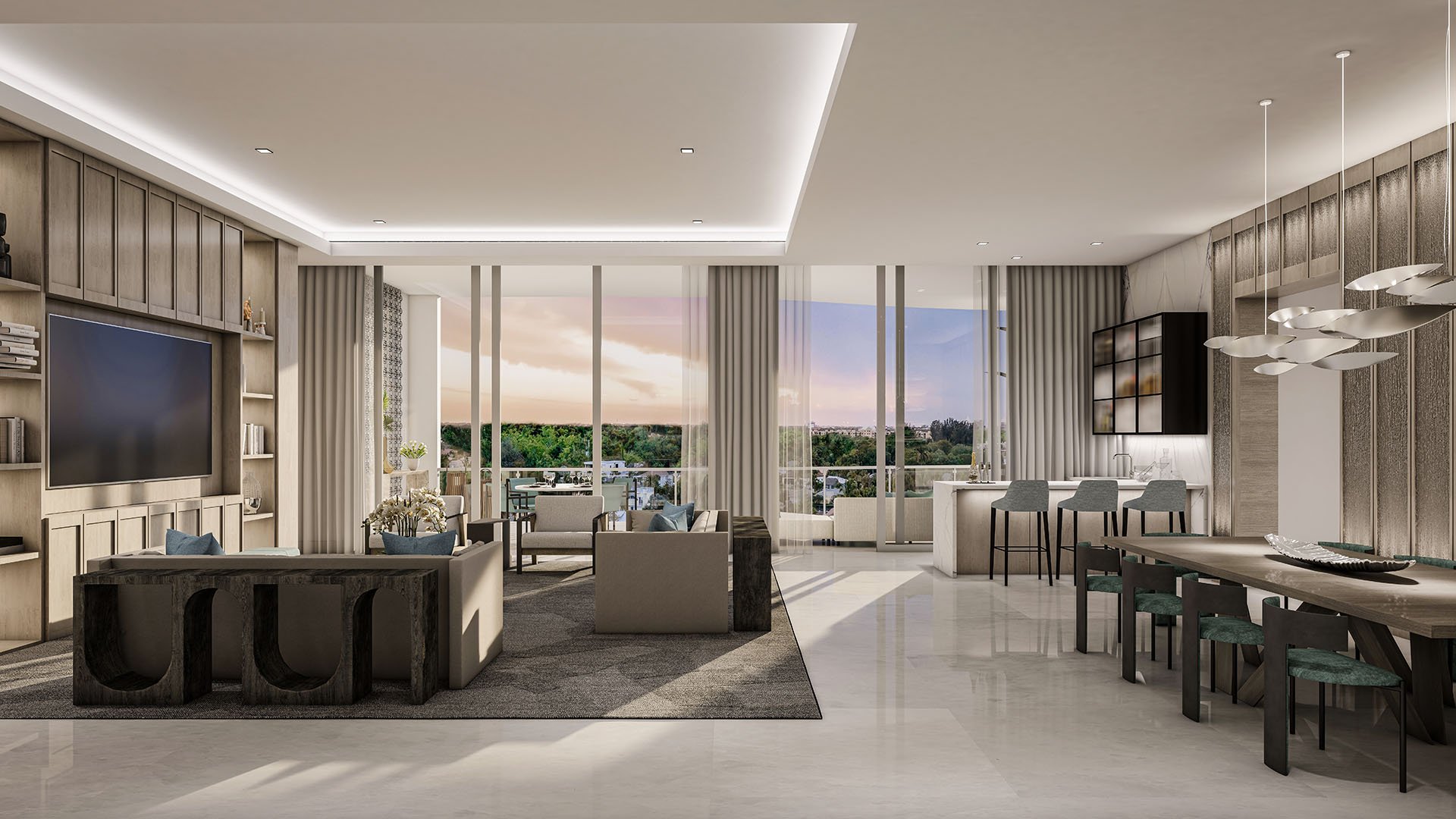
For a waterfront residence intended to feel effortless, water-damage preparedness belongs alongside architecture and service in the purchase conversation. The question is not simply whether someone answers the telephone. It is whether a leak can be detected, the water supply isolated, the residence entered, and damage addressed under a clear allocation of responsibility.
At The Ritz-Carlton Residences® Palm Beach Gardens and The Ritz-Carlton Residences® South Beach, branded hospitality should not be read as a comprehensive water-damage guarantee. Project-specific leak detection, automatic shutoff coverage, and binding response timelines are not established here. That is a reason to request written specifications, not to conclude that protections are absent.
The ownership model takes shape where service expectations meet technical scope and contractual duties. Buyers should evaluate four distinct layers: detection, water isolation, staff response, and restoration with insurance handling. A promise in one layer does not establish the others.
Located at 2200 PGA Boulevard, Palm Beach Gardens, FL 33408, The Ritz-Carlton Residences® Palm Beach Gardens is marketed as an eleven-acre Intracoastal waterfront development. Its service offering includes Ritz-Carlton-branded management, concierge services, and security.
Those services are distinct from a specified water-damage protection system. A leak-detection manufacturer, sensor-coverage map, and operating protocol are not identified here. Automatic unit water shutoffs and a guaranteed emergency-restoration timeline are likewise unconfirmed here. Buyers should seek confirmation for the particular residence rather than assume a building-wide description resolves every unit-level question.
The ownership distinction also matters: the residences are not owned, developed, or sold by Marriott International, Inc. This does not establish the full management or liability structure. It does, however, mean the brand name should not be treated as proof that Marriott bears responsibility for a leak or its consequences.
Improvements, designs, and construction in a residence plan are also subject to appropriate governmental permits and approvals. Purchasers should request the applicable specifications and clarification of their contractual status, including how any changes will be communicated.
At 1671 Collins Avenue, Miami Beach, FL 33139, The Ritz-Carlton Residences® South Beach advertises a 24-hour doorman and concierge. That establishes a marketed service offering-not round-the-clock engineering coverage, authority to enter a residence, or the ability to isolate its water supply.
Project-specific leak sensors, automatic shutoff coverage, and a binding damage-response timeline are not established here. The distinction is consequential: receiving an alert, acknowledging it, entering the unit, and stopping water are separate actions. Buyers should ask who performs each action and under what written authority.
For purchasers also considering The Ritz-Carlton Residences® Miami Beach or The Ritz-Carlton Residences® West Palm Beach, the same document-based questions offer a useful basis for comparison. Shared branding is not evidence of identical equipment, staffing, or contractual obligations across addresses.
A useful technical discussion begins with a coverage drawing, not a general assurance that a residence is monitored. Request the proposed or installed sensor locations, equipment manufacturer, alert recipients, and maintenance schedule. Ask which areas are monitored and which fall outside the system's scope.
Next, establish what happens when a sensor becomes wet. Does it send a notification only, allow a person to operate a valve remotely, or trigger a valve automatically? Remote shutoff and automatic shutoff are not interchangeable. The answer should identify the mechanism applicable to the residence, not capabilities a vendor offers elsewhere.
Valve coverage warrants separate confirmation. Ask which supplies a valve controls, who may operate it, and what happens if the system loses power or connectivity. Request written outage contingencies and testing responsibilities, including how a failed sensor or valve is identified and corrected.
Neither project's installation should be inferred from a technology example at another Ritz-Carlton property. A capability becomes relevant to ownership only when its inclusion and operating requirements are confirmed for the address and unit under consideration.
For an owner who travels, the most revealing exercise is a simple scenario: a leak alert arrives while the residence is empty and the owner cannot be reached. Ask management to explain the sequence in writing, from alert receipt through access, isolation, documentation, and vendor coordination.
The answer should identify the primary recipient and escalation contact, along with the authority required for emergency entry. Request separate acknowledgment and water-isolation targets. A target for returning a call is not a commitment to stop the water within the same period.
Then clarify arrangements for restoration vendors and incident records. Ask who authorizes a vendor's attendance, who records the condition of affected areas, and how the owner receives updates. These are requested standards, not established obligations at either project. No project-specific emergency-entry right or guaranteed response interval should be assumed.
The technical system is only part of the ownership decision. Ask counsel to review the declaration, maintenance matrix, and management agreement together. The objective is to establish responsibility for equipment upkeep, access, emergency decisions, and repairs-not to substitute a service brochure for the governing documents.
Insurance requires a parallel review of the master policy and unit-owner coverage requirements. Request written clarification of applicable deductibles, cost allocation, and the division of responsibility between the owner and association. Project-specific terms on these points are not established here. Neither the brand nor concierge availability supplies the answer.
Keep restoration coordination separate from payment responsibility. Ask who selects vendors, approves work, communicates with insurers, and preserves incident documentation. If a promised response standard influences the purchase, ask where that obligation is recorded and which entity undertakes it.
The strongest comparison between these two residences rests on the quality and specificity of the written answers each purchaser obtains-not an unsupported claim that one offers better leak protection. Sensor coverage, valve operation, escalation, access, and financial responsibility should form one coherent picture.
A refined ownership experience includes clarity about what happens when something goes wrong. Treat branded service as an important offering while evaluating technical protection and damage-response obligations on their own documented terms.
For a discreet perspective on South Florida residential ownership, explore MILLION.
If branded residences are on your mind — as a home or as an allocation — we would be glad to share what we are seeing, privately.
Begin a quiet conversationAutomatic unit water shutoff coverage is not established here for either project. Buyers should request written confirmation rather than assume systems are present or absent.
The project markets Ritz-Carlton-branded management, concierge services, and security. Those offerings do not establish a water-damage service guarantee.
No. The advertised 24-hour doorman and concierge do not themselves establish continuous engineering coverage or water-isolation capability.
The residences are not owned, developed, or sold by Marriott International, Inc. That distinction does not establish the complete management or liability structure.
Request the manufacturer, sensor locations, coverage map, alert recipients, maintenance schedule, and outage contingencies. Confirm that the information applies to the particular residence.
No. Buyers should distinguish a remotely operated valve from a valve triggered automatically by a detected condition and confirm which function is included.

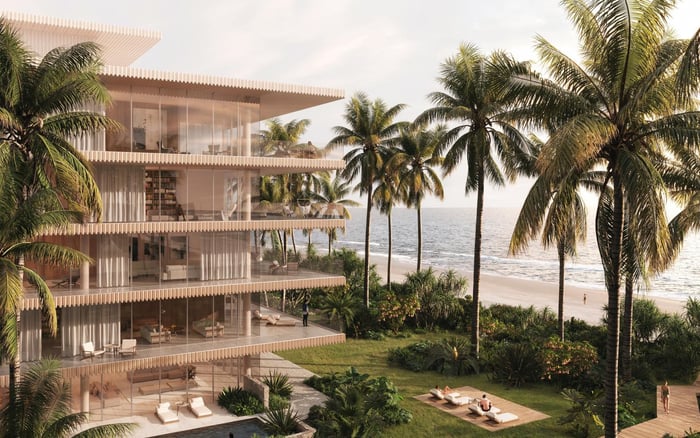
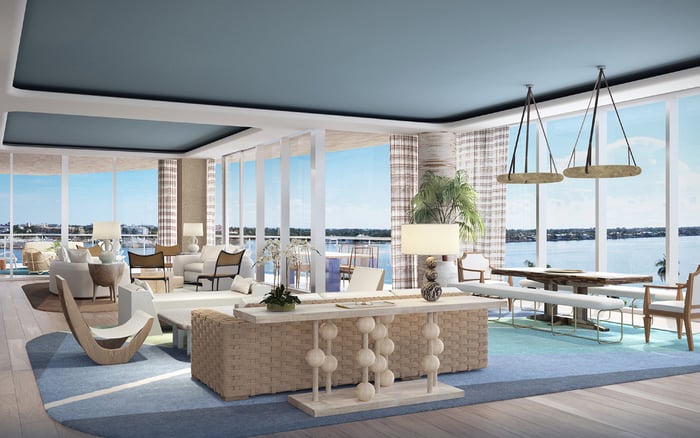
A binding project-specific damage-response or emergency-restoration timeline is not established here. Request separate written targets for acknowledgment, water isolation, and restoration coordination.
Confirm monitoring arrangements, alert escalation, emergency-entry authority, and the response if the owner cannot be reached. Request written procedures for outages and vendor coordination.
Review the declaration, maintenance matrix, management agreement, master insurance policy, and unit-owner coverage requirements. Seek written clarification of deductibles, cost allocation, and repair duties.
No. Technology examples elsewhere do not verify installation or operating standards at either Palm Beach Gardens or South Beach.