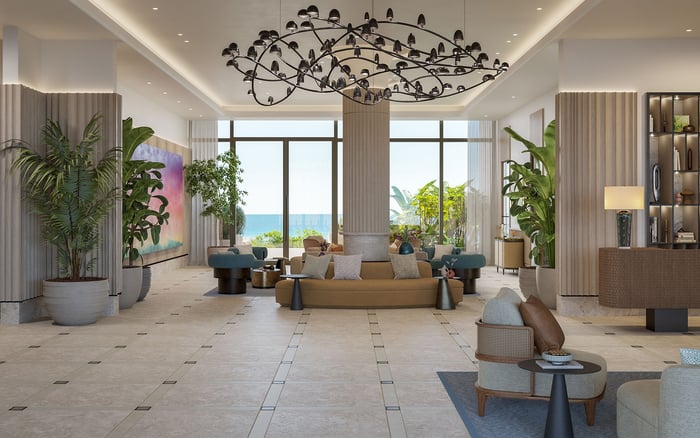
Rosewood Residences Hillsboro Beach pairs condominium ownership with branded residential service. Buyers should examine the budget, reserve schedule, governing documents and management agreement to determine how FF&E replacement, refurbishment and future assessments would affect ownership costs.
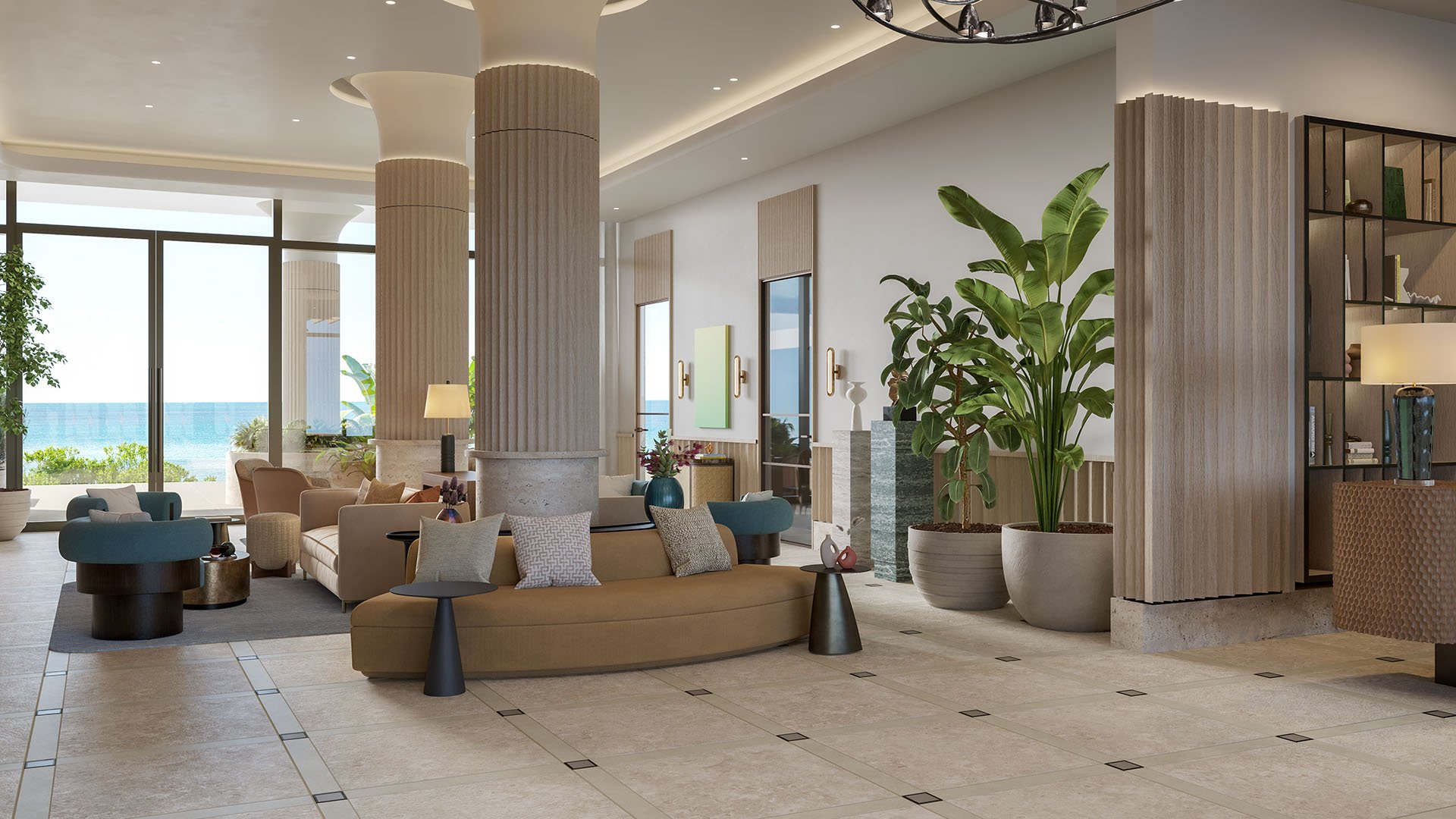
For a prospective owner at Rosewood Residences Hillsboro Beach, the financial analysis should begin with the distinction between branded residential service and the legal structure that allocates costs. A hospitality name may influence the property's presentation, service expectations and management approach, but it does not independently establish the owner's reserve obligations.
The controlling documents should explain how common expenses are budgeted, which assets are covered by reserves and when the association may collect additional funds. Buyers should therefore review the proposed budget, reserve schedule, declaration, purchase agreement and management agreement as a coordinated package rather than treating any single document as conclusive.
The brand may shape the standard, but the condominium documents determine the owner's obligation.
FF&E means furniture, fixtures and equipment. In a service-rich residential property, the category may encompass lobby furnishings, decorative lighting, carpets, window treatments, fitness machines, spa equipment and other movable or replaceable assets. Related finishes, building systems and capital components may appear under different budget categories.
The first due-diligence task is to separate association property from property belonging to an individual residence. Common-area furnishings and shared amenity equipment may be association responsibilities, while furniture, décor and certain equipment inside a private home may remain the owner's responsibility. The declaration, purchase agreement and applicable design standards should establish that boundary.
Buyers should not assume that every future replacement appears in one FF&E line. A reserve schedule may classify components individually, place some costs in the operating budget or exclude certain items from scheduled funding. The review should identify each material asset, its assigned funding source and the party responsible for approving replacement.
Refurbishment is generally a sequence of decisions rather than a single event. Soft goods, furnishings, fitness equipment, wellness features and exterior amenity components can have different maintenance and replacement needs. A branded manager may also have approval rights or standards that affect the scope and timing of work, depending on the management agreement.
Funding mechanics determine how those decisions reach owners. Regular reserve contributions can distribute anticipated costs over time. If an asset is excluded, underfunded or replaced earlier than the budget assumes, the association may need to adjust recurring charges or consider a special assessment, subject to the governing documents.
A careful review should ask whether the reserve schedule addresses all major amenity categories, how replacement assumptions are established and whether future cost increases are incorporated. Buyers should also determine whether the manager, association board or unit owners control the approval process for significant refurbishment.
An extensive amenity offering can enhance daily life while creating a wider set of maintenance and replacement responsibilities. The practical question is whether every material space, furnishing and piece of equipment has a clear budget category and funding plan.
The review should map the physical property against the financial documents. Lobby furnishings, interior finishes, wellness equipment, fitness areas, pools, waterfront features and service-related equipment may each require distinct treatment. If an item does not appear in the reserve schedule, buyers should ask whether it is funded through operations, covered by another party or left for future association action.
Waterfront conditions also make classification important. Exterior furniture, landscape elements, decks, access features and equipment may involve maintenance needs that differ from interior FF&E. Buyers should seek a clear explanation of which expenses are recurring, which are capital in nature and which remain outside association responsibility.
The proposed annual budget provides the starting point. Buyers and their advisers should compare each line item with the property's represented services and shared spaces. They should identify management costs, staffing expenses, insurance, routine maintenance, reserve contributions and any categories that remain preliminary.
The reserve schedule requires a separate review. It should be evaluated for the assets included, the assumptions used and any components omitted. The existence of a reserve line does not, by itself, show that every future refurbishment expense is covered.
The management agreement is equally important in a branded residence. Buyers should examine management fees, approval rights, brand-standard provisions, termination terms and any clauses addressing renovations or replacements. If the manager can request or require updates, the documents should clarify who approves the work and how the resulting cost is allocated.
The declaration and purchase agreement should define common elements, limited common elements and owner property. That distinction can affect responsibility for terraces, private outdoor features, in-residence equipment and owner-selected finishes. Unit-specific obligations deserve particular attention when a home includes features not shared by the broader association.
A sound ownership model should separate predictable annual expenses from episodic capital exposure. Buyers can test different reserve-contribution assumptions, consider the effect of an excluded asset and evaluate how a special assessment would affect their planned holding period.
The analysis should also distinguish between association obligations and optional personal spending. Replacing furniture inside a residence, selecting custom finishes or participating in an optional design program may be different from funding common-area refurbishment. The relevant contracts should state whether any interior standards continue after closing and how later modifications are approved.
Legal and financial advisers can help reconcile inconsistencies among the budget, reserve schedule, declaration and management agreement. Questions should be resolved in writing before the buyer treats a preliminary estimate or marketing description as a dependable ownership cost.
Buyers considering multiple Broward properties should apply the same framework to each development. Four Seasons Hotel & Private Residences Fort Lauderdale and W Pompano Beach Hotel & Residences may present different legal, operational and funding structures, even when the properties share a hospitality-oriented vocabulary.
The useful comparison is not limited to design, amenities or service. It should examine which party owns and replaces FF&E, how reserves are calculated, whether renovation standards are contractual and how unplanned costs may be allocated. A consistent checklist makes those differences easier to identify.
The central ownership question at Rosewood Residences Hillsboro Beach is not whether furnishings and equipment will eventually require attention. It is how replacement timing, approval authority and funding responsibility are documented.
A buyer should leave the review with a clear inventory of association assets, owner-controlled items, reserve-funded components and expenses that could require future action. That clarity allows the branded residential experience to be evaluated alongside its long-term financial obligations.
For discreet guidance on South Florida's most considered residences, connect with MILLION.
If branded residences are on your mind — as a home or as an allocation — we would be glad to share what we are seeing, privately.
Begin a quiet conversationNo. The governing documents and budget determine reserve obligations, regardless of how the property is branded or managed.
FF&E means furniture, fixtures and equipment. The applicable documents determine which items fall within that category and who must fund their replacement.
A buyer should review the proposed budget, reserve schedule, declaration, purchase agreement and management agreement together.
Yes. Common-area assets may be association property, while furnishings or equipment inside a residence may belong to the unit owner.
No. Components may be classified separately, funded through operations or excluded from scheduled reserves.
It may address management fees, approval rights, brand standards and renovation requirements. Those provisions can influence the scope and timing of future work.
It could if available funding is insufficient and the governing documents permit an additional assessment. Buyers should evaluate that possibility with their advisers.
They should match each material amenity and shared asset to a budget category, funding source and responsible party.
They should compare legal structures, reserve treatment, management rights, owner responsibilities and potential exposure to unplanned costs.
A buyer should verify estimates against the current contracts, budget and reserve materials. Unresolved differences should be clarified in writing before purchase.