A discreet buyer’s framework for evaluating camera coverage, security staffing, access controls, and incident-record preservation at Rosewood Residences Hillsboro Beach, without confusing advertised services with verified operations.
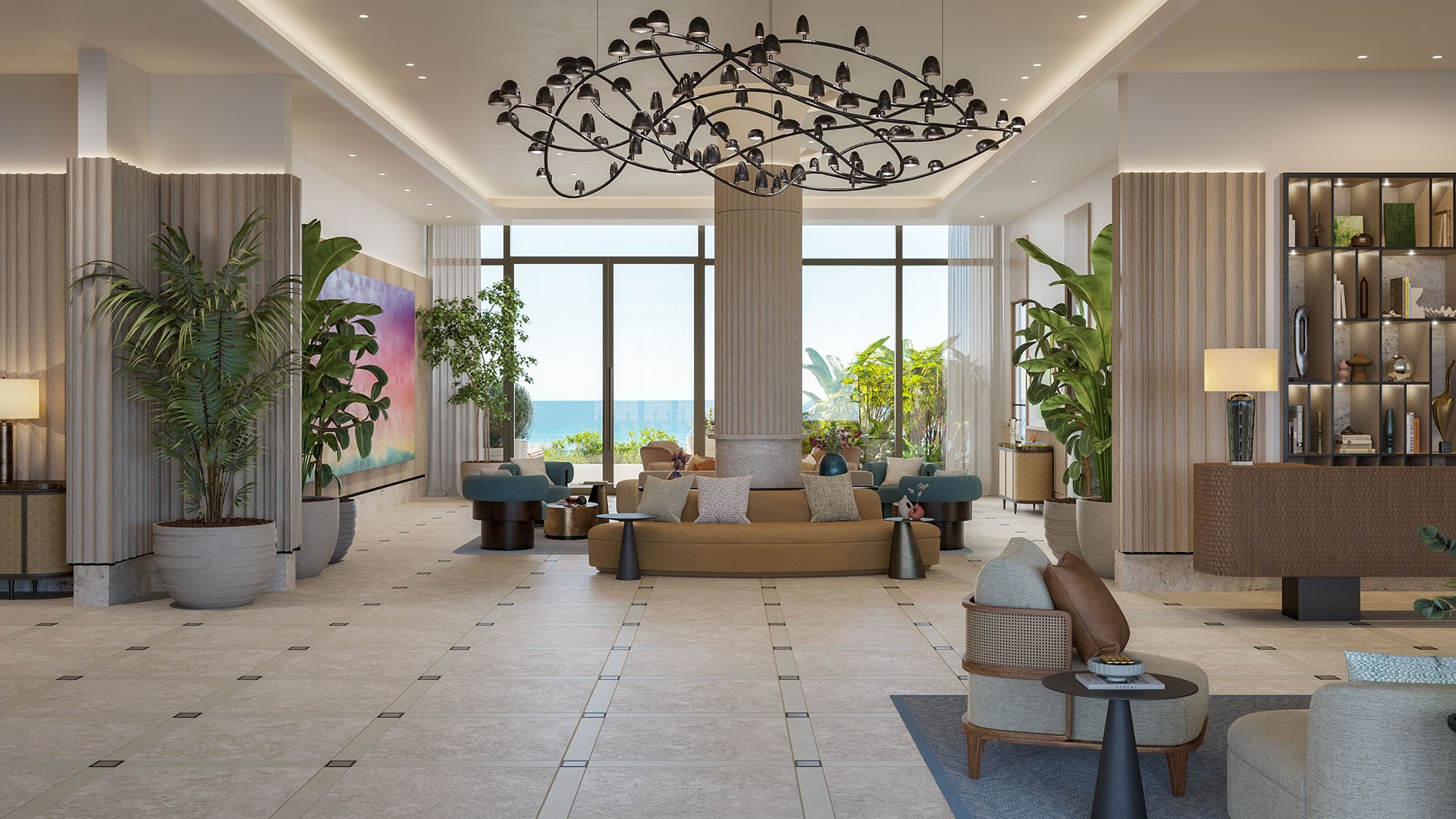
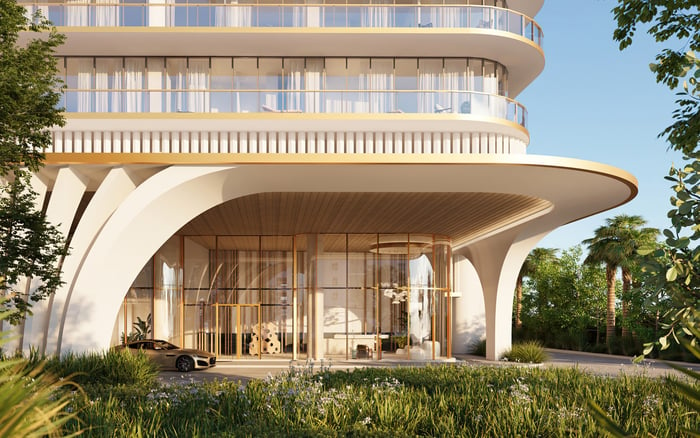
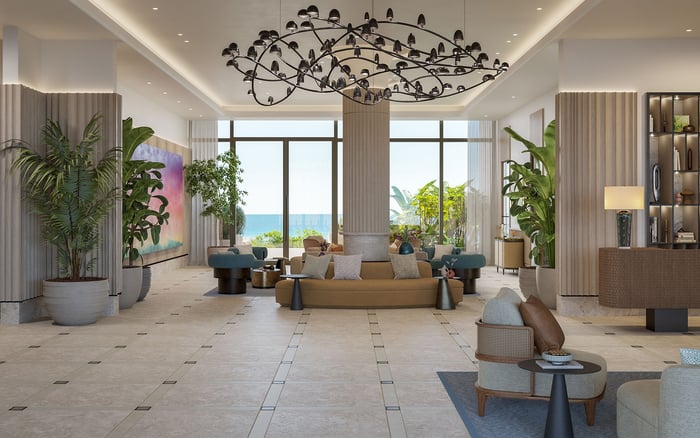
At Rosewood Residences Hillsboro Beach, the security conversation should be as considered as the residence itself. Located at 1180 Hillsboro Mile, Hillsboro Beach, FL 33062, the project comprises 92 coastal and beachfront residences across a three-story Intracoastal condominium and a 10-story oceanfront tower. It is marketed with 24-hour security and valet service.
Those details establish the setting and advertised service-not the operating specification. Twenty-four-hour security does not confirm continuous camera coverage, live monitoring, or a particular number of guards. Nor does a marketing commitment establish that equipment, staffing, and association procedures are already operational.
For a serious buyer, the objective is not to demand absolute protection. It is to understand what is promised, what is functioning, and who is accountable. No property-specific camera map, blind-spot assessment, retention schedule, or incident history is established here. That distinction is not evidence of a deficiency; it defines the questions worth asking before purchase.
Start with a current coverage map, reviewed through an appropriate confidential process rather than circulated casually. Ask management to distinguish planned cameras from equipment that is installed, tested, and operating. Camera count alone is no substitute for an explanation of what the system is intended to observe.
The review should address entrances, valet lanes, garages, elevators, corridors, amenities, beach approaches, Intracoastal access, and service areas, where applicable. For each area, ask whether footage is recorded, watched live, or reviewed only after an event. Establish whether coverage follows a person through shared circulation areas or captures only selected thresholds.
Then ask how management verifies performance. Can an authorized representative demonstrate a recorded image under daytime and nighttime conditions without exposing residents’ private activity? Who is notified when a camera stops recording? What procedure governs testing and repair?
The useful deliverable is a dated explanation of coverage and responsibility-not an assurance that cameras are everywhere.
The oceanfront and Intracoastal components warrant an access review of both waterfront settings, not merely the principal arrival. Ask for a walkthrough of the routes a resident, guest, contractor, or delivery worker would be permitted to use.
Treat potential blind spots as inspection questions, never as established defects. Could landscaping interrupt a view? Could parked vehicles obscure an approach? How do lighting, gates, or construction affect visibility? Ask who reassesses coverage when physical conditions change and how any identified limitation is addressed.
A comparable checklist can help buyers also considering The Ritz-Carlton Residences® Pompano Beach. The point is consistent diligence, not a claim that either property has superior equipment or fewer vulnerabilities.
Keep sensitive diagrams and operational details within the authorized review. A buyer needs confidence in the system and its oversight, not a publicly distributable inventory of weak points.
Valet service and security may share an arrival environment, but buyers should not assume their duties are interchangeable. The advertised offering does not establish the number of guards per shift, patrol frequency, or the division of responsibility between personnel.
Request an explanation of shift coverage, patrol procedures, visitor verification, and escalation instructions. Ask who responds when a resident raises a concern and who remains responsible for monitoring or access control during that response. Clarify whether the arrangements described are current operations or intended procedures.
Credential management deserves equal attention. The access method is not established: buyers should verify whether it involves fobs, mobile credentials, biometrics, visitor registration, staffed checkpoints, or another arrangement. Ask how lost credentials are disabled and how temporary permissions expire.
For a buyer comparing Four Seasons Hotel & Private Residences Fort Lauderdale, the same distinction applies. Evaluate hospitality and security separately, without inferring either property’s practices from its name.
“How long do you keep recordings?” is only the opening question. Request separate retention rules for ordinary video, incident-related footage, access logs, visitor records, valet records, and narrative incident reports. Do not assume a single retention figure governs every category.
For each category, establish the custodian, routine deletion or overwrite cycle, retrieval process, and permissions to view, export, or delete material. Ask whether an incident designation changes retention and how that change is documented. Confirm the property-specific schedule rather than relying on an industry reference.
Do not treat a general retention benchmark as confirmation of Rosewood’s policy or as a stand-alone liability shield. Florida counsel should confirm applicable legal requirements before a buyer relies on any proposed retention framework.
Routine retention and incident preservation are different questions. Ask how relevant footage is protected from automatic overwriting once an incident or potential claim is identified. Establish who can authorize preservation, who receives the request, and how receipt and implementation are confirmed.
For a potential legal dispute, counsel should address an appropriate litigation hold. The buyer’s practical concern is whether relevant material can be identified and preserved before the normal deletion cycle removes it.
Distinguish written surveillance policies from the recordings themselves. Do not assume every video is automatically an owner-inspectable association record, or that a prospective buyer has unrestricted access. Ask what can be reviewed through authorized channels, with appropriate redactions and privacy safeguards.
Available incident logs, security-related meeting minutes, maintenance contracts, insurance-loss information, and security assessments may support the review. Request them without presuming they exist, are disclosable, or establish any particular incident history.
For local police-record questions, Hillsboro Beach’s police department is a starting point for identifying the appropriate request process. Keep jurisdiction clear: Hillsboro Beach is in Broward, and Hillsborough County searches should not be treated as local incident searches. Police records and internal property records are separate inquiries; neither should be assumed to provide a complete account on its own.
Before committing, ask for a concise written response identifying the responsible party, current operational status, relevant policies, and unresolved questions. Where sensitive details cannot be released, request an authorized review rather than interpreting confidentiality as proof of either strength or weakness.
The most useful outcome is clarity: which commitments are documented, which procedures operate today, and how incidents are escalated and related records preserved. That is a more meaningful basis for confidence than a broad security promise alone.
For a considered approach to South Florida’s residential choices, explore MILLION.
If branded residences are on your mind — as a home or as an allocation — we would be glad to share what we are seeing, privately.
Begin a quiet conversationThe address is 1180 Hillsboro Mile, Hillsboro Beach, FL 33062.
The project comprises 92 coastal and beachfront residences. Its residential components include a three-story Intracoastal condominium and a 10-story oceanfront tower.
The property is marketed with 24-hour security and valet service. That commitment does not establish staffing levels, camera coverage, or current operational status.
No. Buyers should confirm whether cameras are monitored live, recorded for later review, or handled through a combination of procedures.
No property-specific blind-spot assessment is established here. Landscaping, lighting, parked vehicles, and gates are appropriate inspection questions, not confirmed deficiencies.
Ask which credentials or checkpoints are used, how visitors are verified, and how lost or temporary credentials are disabled. The property’s specific access method must be confirmed.
No property-specific retention schedule is established here. Request the written policy from management and ask Florida counsel to confirm applicable legal requirements.
Ask separately about ordinary video, incident footage, access logs, visitor records, valet records, and narrative incident reports. Confirm the custodian and deletion schedule for each.
Unrestricted buyer access should not be assumed, and not every recording is automatically an owner-inspectable association record. Ask about authorized review, redaction, and applicable legal restrictions.
Ask who authorizes preservation and how routine overwriting is stopped for relevant footage. Counsel should address an appropriate litigation hold when a potential dispute arises.