Origin’s intimate waterfront scale does not eliminate the need for institutional-grade engineering diligence. Buyers should look beyond finishes to determine how domestic water, standby equipment, emergency power, maintenance duties and reserves are documented.
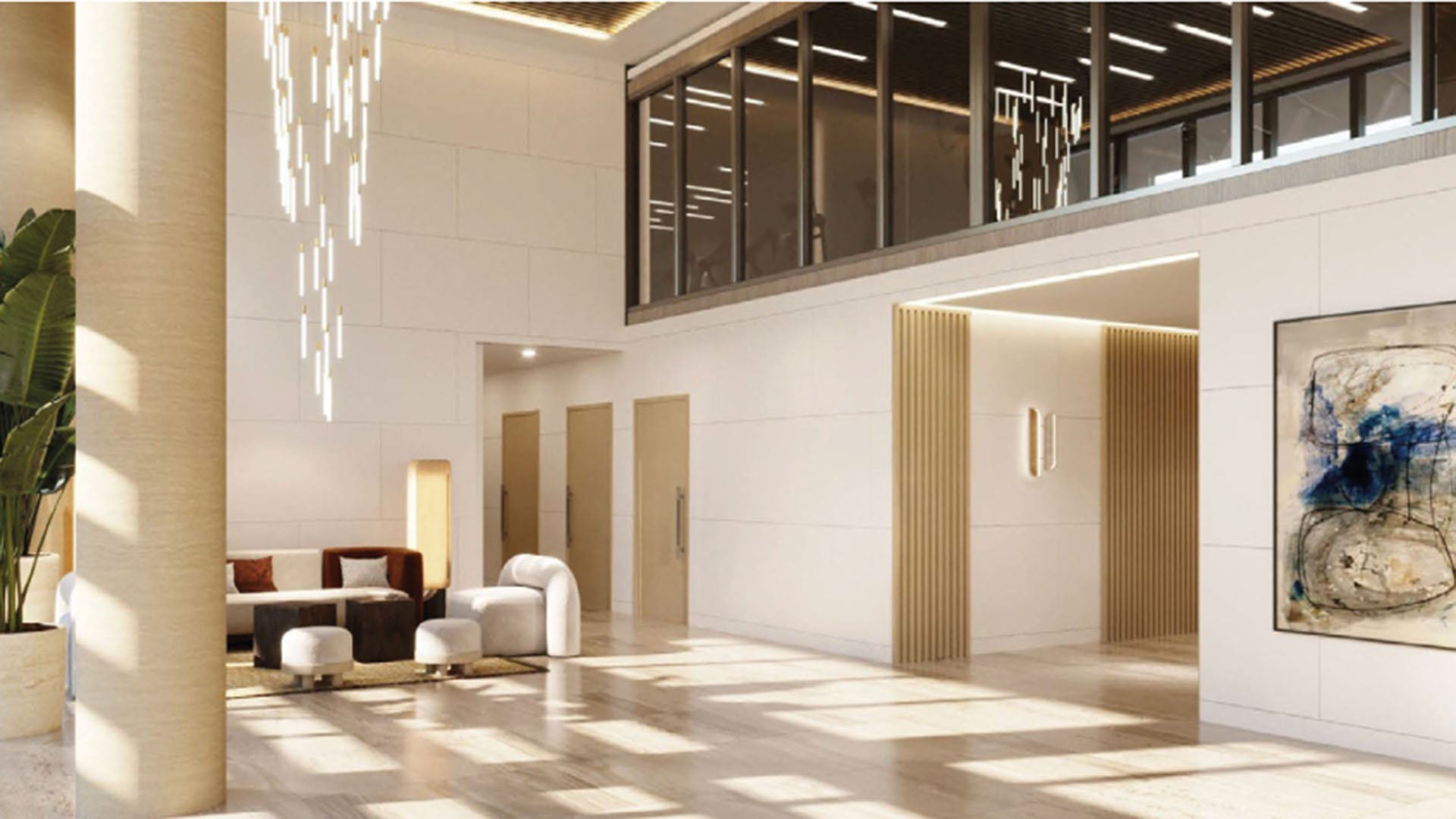
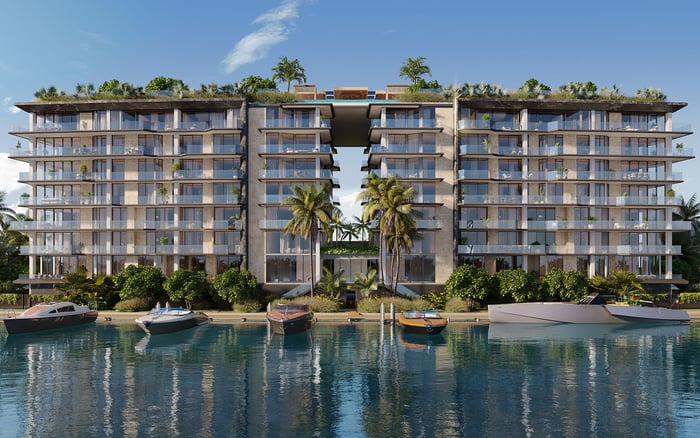
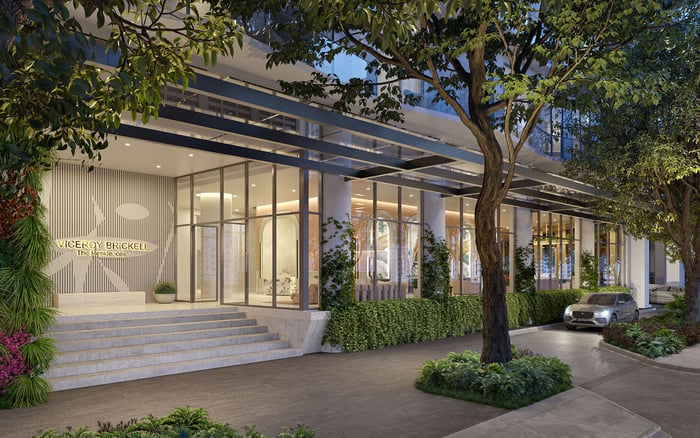
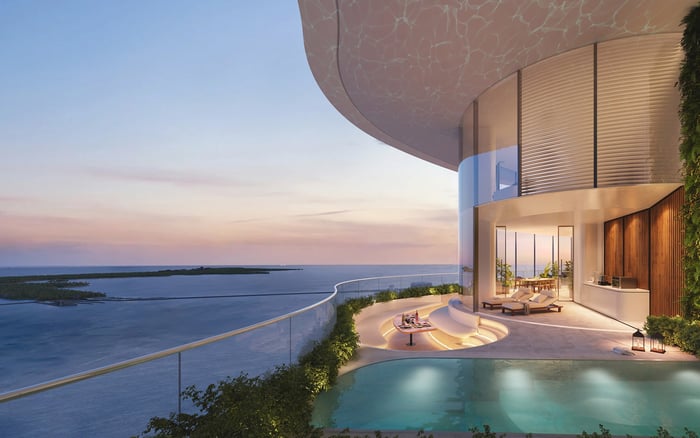
Origin Bay Harbor Islands is planned as a seven-story, 27-residence waterfront condominium at 9760 West Bay Harbor Drive. Intimate by South Florida standards, it offers two- to four-bedroom residences, storage on every residential floor, designated self-parking, and a rooftop amenity deck with a pool, summer kitchen, and bar.
Origin is more accurately described as a mid-rise than a tall residential tower. Yet the question in the title remains pertinent. The engineering principles that become especially visible in tall towers-including reliable domestic-water pressure, standby capacity, and emergency-power coverage-still belong in the diligence file for a boutique condominium. Fewer floors do not make building systems irrelevant; they simply change the design problem buyers need to understand.
Luxury is not only what a residence displays, but how reliably the building performs.
The proposition combines private residences with shared waterfront and rooftop amenities. Residence specifications include floor-to-ceiling, impact-resistant sliding glass doors and windows. Standard residences are marketed with ceilings up to nine feet, while penthouses offer ceilings up to 11 feet. Specifications also identify energy-efficient air-conditioning and heating systems with Nest thermostats.
The common program includes a gym, water-sports storage, launch facilities, and a waterfront Aqua Club. Plans identify eight boat slips ranging from 25 to 40 feet, although the proposed marina remains subject to city permitting and approvals. That distinction matters: a boat-slip opportunity shown in plans should not be treated as an unconditional ownership right without review of the final governing and marina documents.
This is a classic waterfront value proposition, but ownership extends beyond the view and amenity schedule. Buyers should establish which elements belong to an individual unit, which are common elements, which may have restricted or assigned use, and which carry separate operating or maintenance obligations. Those answers should come from the executed condominium documents, not from assumptions formed during sales presentations.
In a multistory residence, water must reach kitchens, baths, and other fixtures with usable, consistent pressure. Building height, simultaneous demand, and equipment operation can all affect performance. Tall buildings may use pressure zones and booster systems to manage these variables. Origin’s seven-story form may call for a different solution, but the buyer’s core question remains: what performance has the project been designed to deliver?
Advertised features emphasize impact glazing, HVAC efficiency, appliances, and interiors. They do not state Origin’s domestic-water pressure targets or booster-pump configuration. The project description likewise does not identify pressure zones. It would therefore be improper to claim that Origin has a particular number of pumps, a specific zoning arrangement, or a stated pressure level.
A careful buyer can request the relevant plumbing narratives, approved plans, equipment schedules, and commissioning provisions. Counsel and an independent building professional can then help determine whether the disclosed design aligns with the buyer’s expectations, particularly for a larger residence with multiple baths and potentially concurrent demand.
Mechanical redundancy addresses what happens when a primary component is unavailable. For domestic water, the relevant questions include whether standby pumping exists, how capacity is divided, whether maintenance can occur without a full interruption, and how replacement parts or service are contemplated. None of those answers should be inferred from the building’s price point or design language.
Emergency power warrants a separate review. Available project information does not establish whether domestic-water equipment receives generator support, nor does it define emergency-power coverage for other mechanical systems. Buyers should request the emergency-power schedule, identify the loads it serves, and understand any operating limitations. A generator’s presence, if documented, would not by itself prove that every residential convenience remains available during an outage.
The financial dimension is equally material. Pumps, controls, and related equipment require inspection, service, and eventual replacement. Prospective owners should determine who maintains them, how warranties are administered, what service contracts are anticipated, and whether reserve assumptions reflect the equipment ultimately installed. In this sense, redundancy is not merely an engineering feature; it can influence common expenses, interruption risk, and long-term stewardship.
For new-construction diligence, buyers should seek consistency across the declaration, budgets, engineering documents, and final delivered condition. The review should establish:
These are requests for confirmation, not suggestions that Origin has a defect. The available materials simply do not disclose the necessary technical detail. A buyer should also verify that the final documents match the contemplated amenity program, including the proposed marina and its approval status.
The neighborhood’s boutique inventory gives purchasers several ownership formats to compare. Reviewing Alana Bay Harbor Islands, Onda Bay Harbor, and The Well Bay Harbor Islands can help buyers frame questions about common amenities, waterfront use, and operating responsibilities. Such comparisons should organize diligence, not substitute one project’s specifications for another’s.
When comparing Bay Harbor options, the most useful measure is not a superficial amenity count. It is the quality and clarity of the ownership package: what is promised, what is technically documented, what remains subject to approval, and what owners will collectively fund.
Origin’s 27-residence scale, impact glazing, rooftop pool, and waterfront program create a polished proposition. The ownership decision, however, should rest on both visible design and invisible infrastructure. Domestic-water pressure, pump redundancy, emergency-power coverage, and maintenance planning are precisely the subjects that distinguish an amenity-led review from a durable assessment of condominium ownership.
The right approach is neither alarmist nor presumptive. It is to request the engineering record, have qualified advisers interpret it, and align the findings with the declaration, budget, warranties, and reserve framework. At Origin, the public story establishes the setting and lifestyle. The project documents must establish how the building is intended to perform.
For private guidance on Origin and South Florida’s most considered residential opportunities, connect with MILLION.
If branded residences are on your mind — as a home or as an allocation — we would be glad to share what we are seeing, privately.
Begin a quiet conversationNo. At seven stories, Origin is more accurately characterized as a mid-rise, although tall-building water-pressure principles remain useful diligence context.
Origin is planned as a 27-residence waterfront condominium.
The development offers residences with two to four bedrooms.
No. Publicly advertised specifications do not state a domestic-water pressure target.
The available public project information does not identify the booster-pump configuration or number of standby pumps.
No. Public project information does not establish whether domestic-water equipment receives emergency-power support.
Buyers should request engineering plans, equipment schedules, commissioning provisions, emergency-power schedules, warranties and maintenance responsibilities.
Marketed amenities include a rooftop pool, summer kitchen, bar, gym, Aqua Club, water-sports storage and launch facilities.
Plans identify eight slips ranging from 25 to 40 feet, with the proposed marina subject to city permitting and approvals.
Mechanical equipment requires service and eventual replacement, so reserve treatment can affect long-term stewardship and shared ownership costs.