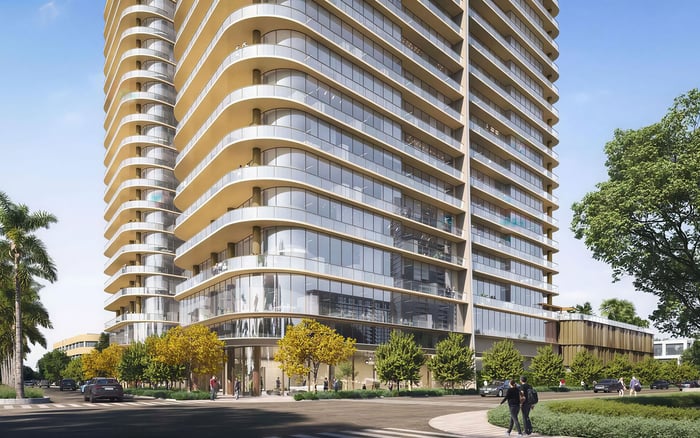
A due-diligence framework for evaluating ORA by Casa Tua Brickell’s ownership terms and the potential effects of adjacent construction, with emphasis on documented rental rules, mitigation measures and temporary access planning.

ORA by Casa Tua Brickell calls for a careful distinction between marketing language and binding ownership terms. A buyer should rely on current governing and offering documents to determine how personal occupancy, rentals, management services, reservations, fees and guest procedures would operate.
The phrase “ownership model” can encompass several separate questions. Buyers should establish whether rental participation is permitted or required, whether minimum stays apply, who controls reservations and pricing, and how owner visits are coordinated. Any expectations concerning housekeeping, insurance, taxes, maintenance, damage claims or guest credentials should also be confirmed in writing with qualified advisers.
This review is especially important for a second-home or investment-oriented purchase because operational details can affect how easily an owner uses or rents a residence. No assumption about flexibility should replace the controlling documents.
Construction beside or near a residential property can create temporary concerns involving dust, noise, vibration, deliveries and changing pedestrian or vehicle routes. The existence, intensity and duration of any effect should not be assumed. Buyers should instead request project-specific plans, schedules and notices when available.
Dust control questions may cover barriers, debris handling, cleaning and monitoring. Noise questions may address anticipated work periods, sequencing and the procedure for reporting concerns. Vibration questions may include monitoring methods and documentation for nearby structures. These are due-diligence topics, not predictions about what will occur at ORA.
Access planning should consider residents, guests, deliveries, service providers and emergency needs. A useful review asks whether construction could alter a sidewalk approach, vehicle entrance, loading area or valet sequence, and how any change would be announced.
Written logistics information is more useful than a general assurance. Buyers can ask who is responsible for notices, how much advance warning may be provided and what alternative route would apply during a temporary change. If a residence may host different occupants over time, instructions should be clear enough for a first-time arrival.
A meaningful comparison should use the same questions across each project rather than comparing headlines alone. Buyers considering branded or luxury residences in Brickell may include 888 Brickell by Dolce & Gabbana, The Residences at 1428 Brickell, Cipriani Residences Brickell and St. Regis® Residences Brickell in that review.
For each option, compare current ownership documents, rental provisions, management responsibilities, arrival procedures and disclosed construction conditions. The objective is not to presume that the projects share identical rules, but to make the buyer’s evaluation consistent.
Before relying on a proposed ownership strategy, request the latest documents that govern use and rentals. Questions should cover owner occupancy, guest registration, leasing procedures, management participation, costs and the process for changing rules. Legal, tax and financial implications should be reviewed by the appropriate professionals.
For construction-related concerns, ask for available site-logistics materials and written mitigation procedures. Useful subjects include work sequencing, dust controls, noise management, vibration monitoring, truck routing, sidewalk protection, loading arrangements and temporary access notices. If documents are unavailable, that absence should be treated as an unresolved item rather than filled with an assumption.
The final decision should separate long-term ownership suitability from temporary construction tolerance. A project may fit a buyer’s intended use while still requiring additional clarity about short-term disruption, or the reverse. The strongest assessment is grounded in current documents and the buyer’s own priorities.
What should buyers verify about ORA’s ownership model? Buyers should verify occupancy, rental, management, reservation, fee and guest provisions in the current controlling documents.
Should marketing descriptions determine rental expectations? No. Rental expectations should be based on governing and offering documents reviewed with qualified advisers.
Why could adjacent construction matter to an owner? It could temporarily affect comfort, arrivals, deliveries or service routines, depending on documented site conditions and work plans.
Does adjacent construction guarantee significant dust or noise? No. The scale and duration of any effect should not be assumed without project-specific information.
What dust-control information can a buyer request? A buyer can ask for available details concerning barriers, debris handling, cleaning practices and monitoring.
What should be reviewed concerning noise and vibration? Buyers can request available work schedules, mitigation procedures, monitoring methods and reporting contacts.
How should temporary access changes be assessed? Review written plans for pedestrian, vehicle, delivery, service and emergency access, including how changes would be communicated.
Why are guest instructions relevant? Clear instructions can help occupants understand revised arrival or entry procedures if a temporary route is introduced.
How should buyers compare other Brickell projects? Apply the same document, rental, management, access and construction questions to every residence in the comparison set.
What is the prudent next step before signing? Resolve unanswered document and logistics questions with the appropriate legal, financial, tax and real estate professionals.
To compare the best-fit options with clarity, connect with MILLION.
If branded residences are on your mind — as a home or as an allocation — we would be glad to share what we are seeing, privately.
Begin a quiet conversation