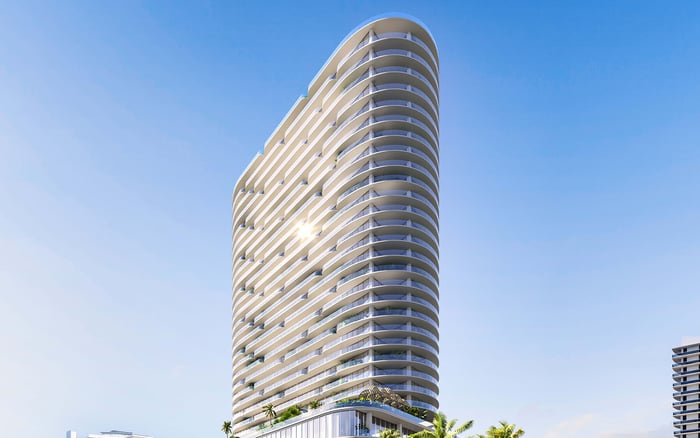
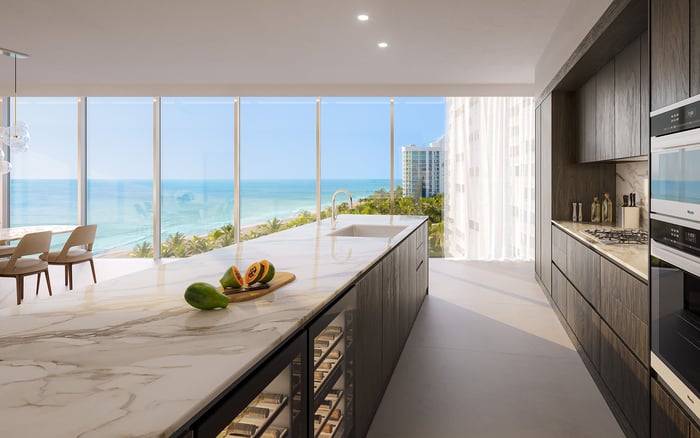
For a seasonal buyer in North Bay Village, privacy is not simply a matter of floor plan or waterfront exposure. It is an operating condition defined by governing documents, access controls, rental rules, budgets, and the practical movement of guests, staff, and vendors.

For a seasonal residence in North Bay Village, some of the most consequential details may never appear in a rendering. A waterfront panorama can feel private even when the arrival sequence, pool deck, or elevator bank is shared. The buyer’s task is to understand who may enter the property, which spaces each user group may access, how occupants move through the building, and who pays to maintain the shared environment.
That distinction becomes especially important when residences, hospitality uses, clubs, retail spaces, or public-facing venues coexist. Different ownership and operating structures can produce very different circulation patterns. The practical experience of ownership ultimately depends on enforceable access rights, staffing protocols, management agreements, and physical boundaries.
Residence-owner privacy is an operating condition, not a rendering promise.
The planned Continuum Club & Residences North Bay Village is one project a buyer may evaluate through this operating lens. Rather than relying on broad descriptions, request the final documents that identify the relevant residential, hospitality, and amenity components and explain how each will function.
Ask for a plan that traces owners, personal guests, hotel guests, rental occupants, club members, staff, vendors, deliveries, and ride-share arrivals from the property line to their permitted destinations. The review should cover entrances, arrival courts, parking areas, loading zones, reception points, elevator banks, corridors, docks, pools, lounges, and food-and-beverage spaces where applicable.
Separate elevators can support privacy, but the review should extend beyond the elevator cab. Verify credentialing, floor permissions, crossover points, emergency routes, staff overrides, and the procedures used when access systems are unavailable. A building may advertise distinct arrival experiences while still allowing overlap elsewhere.
Apply the same scrutiny when comparing Shoma Bay North Bay Village and Tula Residences North Bay Village. For each property, request the declaration, bylaws, rules, architectural plans, management documents, and an access-control narrative. This is where a general buyer’s guide gives way to project-specific review.
Terms such as “private,” “exclusive,” and “residents only” should be defined rather than assumed. Determine whether each designation includes owners, tenants, rental-program occupants, hotel-residence occupants, personal guests, or other approved users. Then identify who may invite outside visitors, organize events, or extend access to docks, pools, lounges, dining venues, and parking areas.
This inquiry is particularly relevant when club privileges or hospitality operations intersect with residential amenities. A buyer comparing Continuum Club & Residences with La Baia North Bay Harbor Islands should review the documents for each property independently. Marketing language or arrangements associated with one development should not be treated as evidence of access rights at another.
Schedules matter alongside access rights. Ask whether programming can close or reconfigure an amenity, whether private events can receive priority, and whether owners have protected access periods. Seasonal owners should examine how the property is expected to operate during the specific weeks they are most likely to occupy their residence.
Rental use should be reviewed at several levels. Applicable Florida law, North Bay Village requirements, condominium documents, association rules, and any hotel or rental-program agreement may address different parts of the arrangement. Permission under one document should not be assumed to satisfy every other requirement.
Ask qualified counsel to confirm the rules in effect for the specific residence and intended rental pattern. The review should address permitted stay lengths, rental frequency, registration, licensing, taxes, occupancy, advertising, guest conduct, and enforcement. Because requirements and governing documents can change, obtain current written guidance rather than relying on summaries or past practice.
The declaration and rules also deserve close attention. Determine whether leasing rights can be amended, whether approval is required, whether waiting periods apply, and whether the association or an operator controls check-in procedures. A seasonal buyer should understand both the right to rent and the operational burden attached to that right.
If a rental program is offered, establish whether participation is optional and whether the arrangement transfers upon resale. Review owner-use restrictions, notice requirements, withdrawal provisions, management fees, housekeeping charges, and any pricing or stay policies stated in the agreement. Confirm who handles registration, guest screening, access credentials, complaints, damage claims, and unit inspections.
Ask whether the operator may require refurbishment, replacement packages, or participation in a standardized furnishing plan. A furnished residence may appear turnkey at delivery, but its continuing cost depends on who decides when furniture, linens, electronics, appliances, and decorative items must be replaced.
The agreement should identify where rental occupants may go. Hotel guests, rental-program occupants, private tenants, and an owner’s personal guests may not have identical privileges. Written access rules and credential protocols are more useful than a general promise of broad amenity access.
A reserve review should identify which account supports each category of property and expense. Request the current association budget, reserve schedule, relevant studies, operating agreements, rental documents, and any furniture, fixtures, and equipment provisions. Determine whether shared furnishings and hospitality-related items are covered by association funds, a separate program, direct owner charges, or another source.
If an FF&E reserve or replacement fund exists, identify who contributes, how contributions are calculated, who controls withdrawals, and what happens to any allocated balance when a residence is sold. Also determine whether the operator may alter replacement standards, accelerate a refresh cycle, or request additional funding when an account is insufficient.
The file should distinguish among association property, operator property, hospitality property, common-area items, and contents owned within the residence. That classification helps the buyer understand who controls a replacement decision and who ultimately bears the cost.
Before signing or closing, request written answers to focused questions. Which elevators are reserved for residence owners? Can hospitality guests enter residential parking? Who can access the dock or pool? Are vendors escorted? Do rental occupants use the owner lobby? Who may issue credentials? Can access rules be amended, and what approval is required?
Compare those answers with plans, declarations, rules, budgets, and operating agreements. If the documents conflict with a sales presentation or access narrative, ask for clarification before relying on the promise. Treat proposed arrangements as subject to confirmation in the final materials governing the property.
The strongest due-diligence file does more than collect documents. It shows whether architecture, access technology, staffing, financial obligations, and contractual rights support the same ownership experience. That alignment gives a seasonal buyer a clearer view of privacy, flexibility, carrying obligations, and the practical use of the residence.
For discreet guidance on evaluating a seasonal residence and its operating documents, connect with MILLION.
If branded residences are on your mind — as a home or as an allocation — we would be glad to share what we are seeing, privately.
Begin a quiet conversationIt can show how owners, guests, renters, staff, vendors, and deliveries move through entrances, parking areas, elevators, and amenities.
No. Access depends on the governing documents, operating agreements, physical separation, and credential rules for the specific property.
Review applicable Florida law, local requirements, condominium documents, association rules, and any rental-program or hotel agreement.
It should cover entrances, credentials, elevators, parking, crossover points, emergency routes, staff overrides, and amenity permissions.
Review participation terms, owner-use limits, fees, withdrawal provisions, guest controls, damage procedures, and refurbishment obligations.
No. The governing documents may assign furniture, fixtures, and equipment costs to a separate program, account, or owner obligation.
Request the association budget, reserve schedule, relevant studies, operating agreements, rental documents, and any FF&E provisions.
Yes. Buyers should determine whether nonresidents may access docks, pools, lounges, parking, or other spaces connected to the residence.
No. Credential rules, shared corridors, crossover points, emergency access, and staff permissions also shape the privacy experience.
Compare each claim with final plans, declarations, rules, budgets, access narratives, and executed operating agreements.