A discreet penthouse purchase deserves a precise access-and-data review. This buyer’s framework examines elevator permissions, guest registration, building apps, biometric enrollment, and the written answers to request before closing.
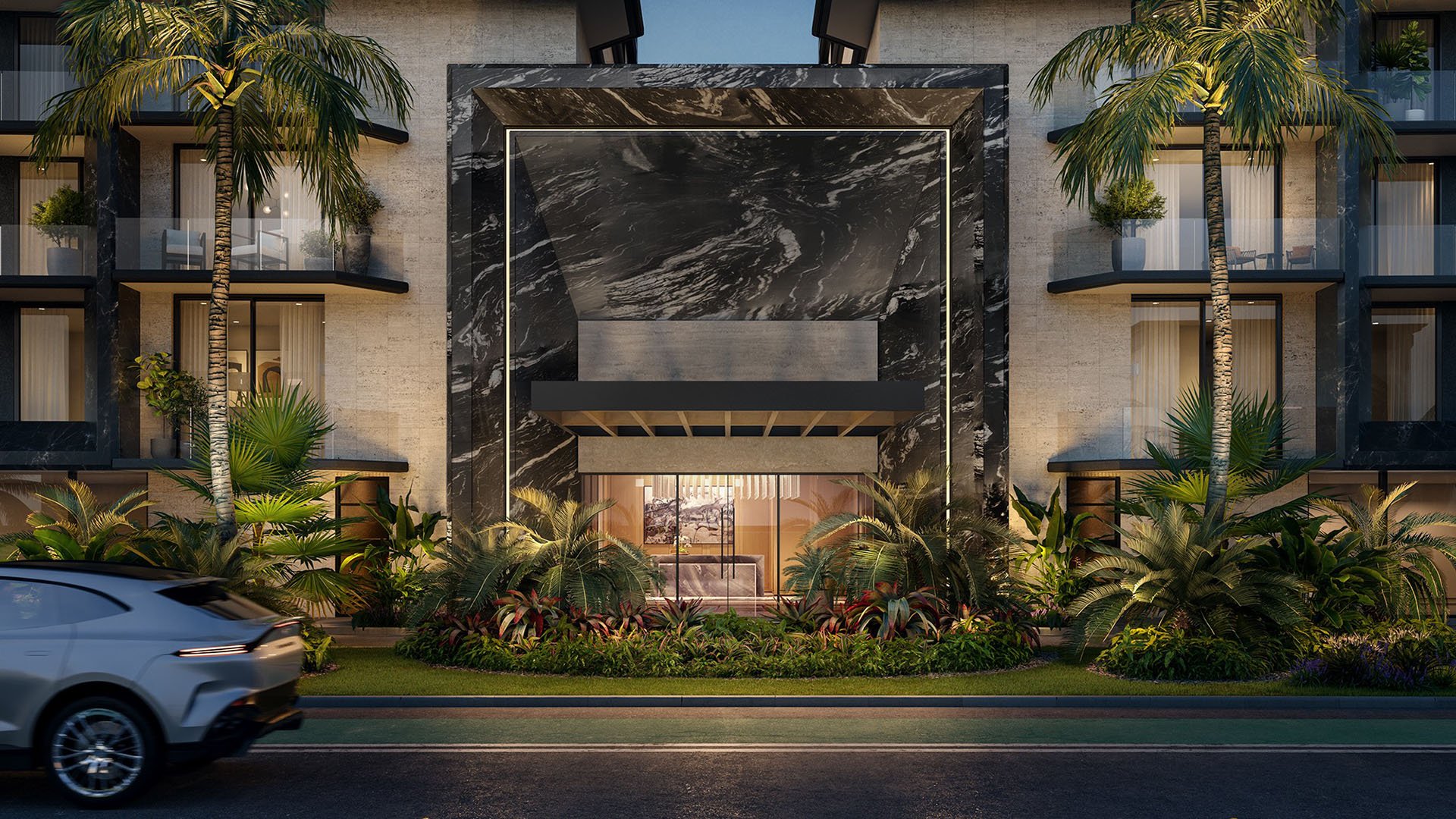
For a penthouse buyer, privacy warrants the same scrutiny as the floor plan. An arrival sequence may feel beautifully secluded, yet the purchase decision calls for a less visible inquiry: who can authorize entry, what information accompanies a visit, and what happens to that information afterward?
A useful due-diligence file separates architecture, operating procedures, and data practices. A private landing does not resolve questions about administrator permissions. A polished app demonstration does not establish a deletion right. Treat each promise as a separate item requiring a document, a demonstration, or a written explanation.
For a search that includes Alana Bay Harbor Islands, begin with that framework rather than assumptions about technology. The same questions can guide any property review; the project references here do not establish particular access systems or privacy policies.
Ask the seller and management to define precisely what “private-elevator access” means for the residence under consideration. Is the car dedicated, the destination restricted, or the arrival vestibule private? Request a relevant plan and a written description of how residents, guests, employees, and emergency personnel reach the home.
Then examine permissions, not appearances. Ask who issues credentials, who can change floor access, whether staff can override restrictions, and whether those actions are recorded. Establish whether an owner’s authorization is required for routine service visits, without assuming the owner controls every circumstance.
Request a supervised walkthrough of several scenarios: an expected guest, an unannounced visitor, a lost credential, and an unavailable phone. Ask how access works during a system outage and what emergency procedures apply. Do not test emergency functions yourself. Reconcile the plan, the demonstration, and the written rules before considering the arrival experience fully understood.
Request the visitor-registration form or a blank example of its digital equivalent. Ask which fields are mandatory, whether identification is merely inspected or copied, and whether a guest can register through staff rather than a personal device. Include overnight guests, household employees, contractors, and deliveries in the discussion.
If identification numbers are requested, ask why they are needed and whether a less data-intensive verification method is available. Examine what a registration record contains-not simply whether a sign-in process exists-and have Florida counsel review any legal concerns.
For buyers considering Bay Harbor Towers, visitor handling belongs in the written inquiry alongside arrival logistics. Ask who can view records, whether vendors receive them, how long they remain available, and what policy governs disposal. These are requests for clarification, not assumed owner entitlements.
If an app is part of the proposed ownership experience, request its name, operator, privacy notice, user terms, and enrollment instructions. Ask management to distinguish required functions from optional conveniences. Determine whether entry, visitor invitations, reservations, and management communications depend on the same account or separate services.
Review the permissions requested during setup. Ask whether location, camera, contacts, or other device access is needed for a particular function-and what happens if permission is declined. Seek a demonstration using a test account rather than exposing an existing resident’s information.
A buyer comparing Onda Bay Harbor with other residences can use the same app questionnaire without presuming any vendor or feature. Include practical ownership transitions: replacing a phone, removing a former employee, adding an authorized household member, and transferring the residence. Ask who handles each change and how completion is confirmed.
First, ask whether biometric identification is used at all. Do not infer facial recognition from a camera or fingerprint authentication from a touch-sensitive reader. Request a plain-language description of the system and the information it collects before evaluating its terms.
If biometric enrollment is proposed, ask whether the system stores an image, a derived template, or both; where those records reside; and which parties can access them. Request the stated collection purpose, enrollment notice, retention schedule, deletion procedure, and arrangements for vendor replacement or service termination.
Ask specifically whether a non-biometric entry method exists, whether it offers comparable everyday access, and whether fees or restrictions apply. Do not assume that consent, an opt-out, or deletion is legally guaranteed. Have Florida counsel assess the applicable law and actual documents before relying on any assurance.
Organize the review into four folders: access, visitors, apps, and biometrics, if applicable. For each, request the relevant rules, notices, operating instructions, and written management responses. Where available and appropriate for disclosure, seek relevant vendor terms or a written explanation of the vendor’s responsibilities. Do not assume every requested document must be provided.
For a residence under consideration at The Well Bay Harbor Islands, apply the same structure. Label each answer by date, respondent, and supporting document. Distinguish an existing procedure from a proposed feature, and ask who has authority to change either.
Keep unresolved questions visible. “Management can arrange that” is not equivalent to an adopted policy or contractual commitment. Ask counsel which representations, if material to the purchase, should be addressed in transaction documents and what further confirmation is appropriate.
Before proceeding, review the file against the household’s actual routines. Consider visiting relatives, domestic staff, extended absences, and a guest arriving when the owner cannot answer a phone. Ask management to explain how those situations would be handled under the applicable procedures.
The decision need not turn on whether a building uses more or less technology. It should turn on whether the buyer understands the access arrangements, accepts the information requested, and has satisfactory answers about responsibility and alternatives. Neither a resale premium nor future buyer demand should be assumed from these features.
For a considered approach to your Bay Harbor Islands penthouse search, explore MILLION.
If branded residences are on your mind — as a home or as an allocation — we would be glad to share what we are seeing, privately.
Begin a quiet conversationAsk whether the elevator car, floor access, or arrival vestibule is private. Review the relevant plan, credential permissions, staff overrides, and written procedures.
Do not assume it does. Ask management to explain routine entry permissions, staff authority, and emergency procedures for the specific residence.
Request a blank registration form, mandatory fields, identification-handling practices, and an explanation of who can view records. Ask about retention and disposal as well.
Ask why the numbers are needed, whether they are retained, and whether a less data-intensive verification method is available. Have Florida counsel review any legal concerns.
Request the privacy notice, user terms, enrollment instructions, and an explanation of the operator’s role. Separate required functions from optional conveniences.
No. Ask whether one exists and request an explanation of procedures for an unavailable phone, lost credential, or system outage.
No such conclusion should be drawn from the camera alone. Request a description of the system and the information it collects.
Ask what is stored, where it resides, who can access it, and what retention and deletion procedures apply. Also ask whether a non-biometric alternative is available.
They should not be assumed. Florida counsel should review current applicable law and the building’s actual documents.
The project links provide search context, not confirmation of particular systems or policies. Obtain property-specific written answers before relying on any feature.