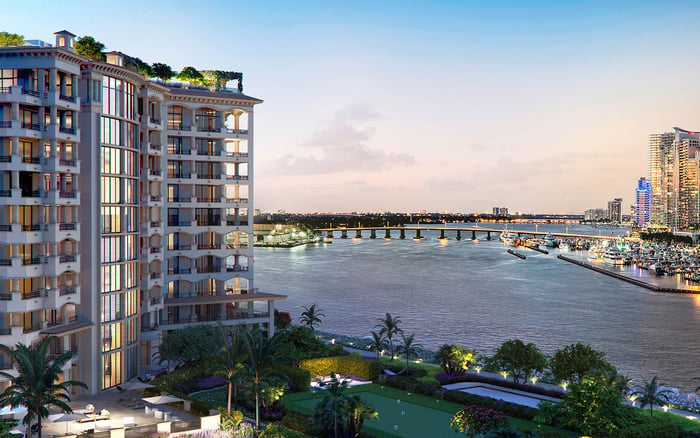
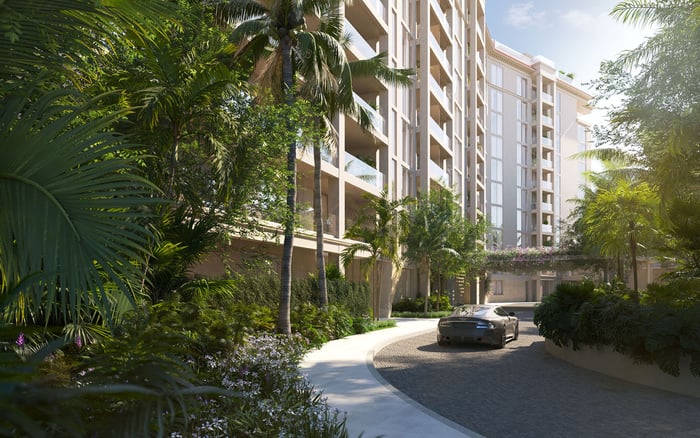
For a Fisher Island condominium buyer, underwriting extends beyond the residence. The association's finances, reserves, insurance, litigation, ownership profile, rental rules, and operations can shape present loan eligibility and the future buyer pool.
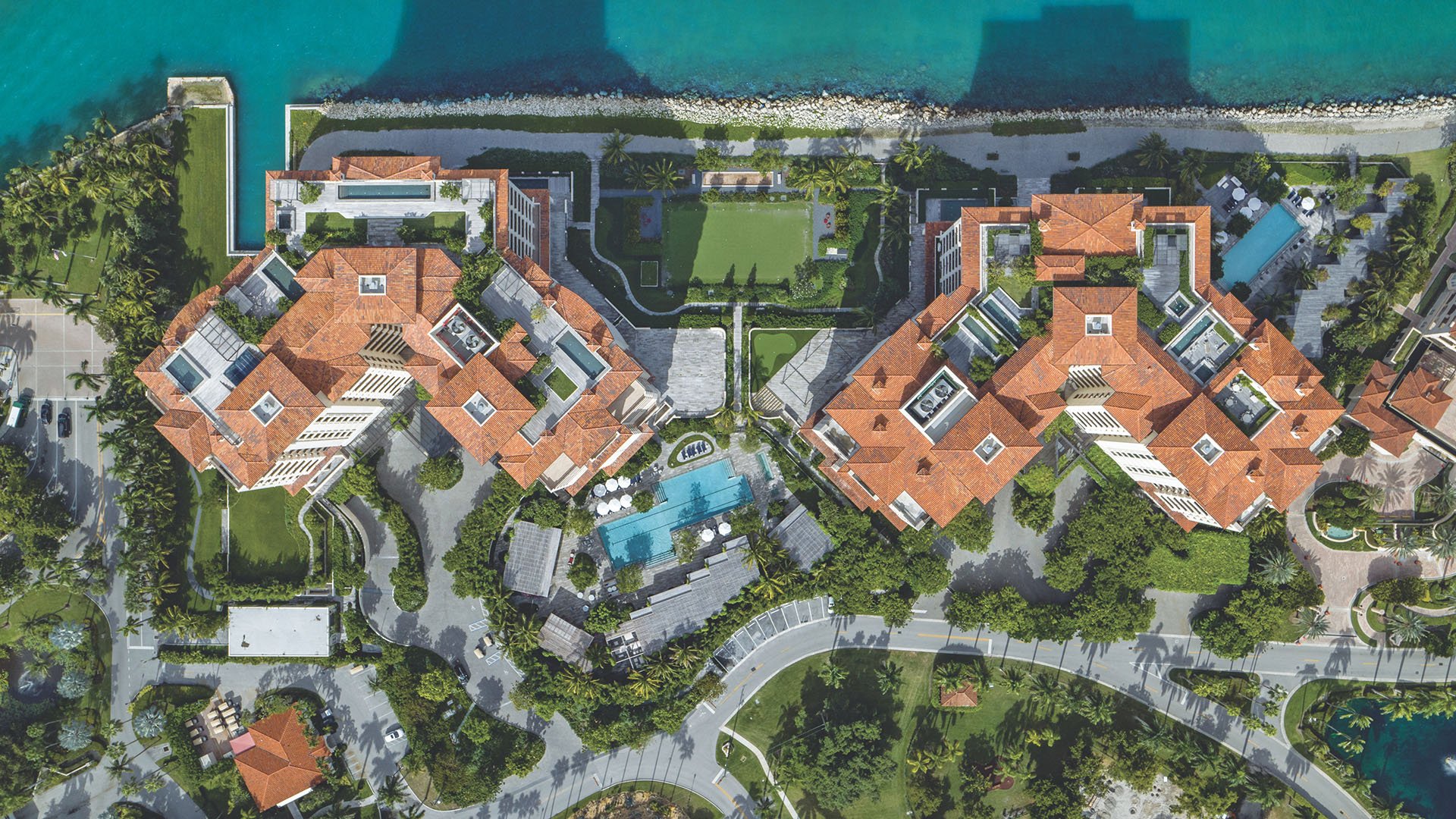
On Fisher Island, a buyer may focus first on privacy, service, water exposure, and the quality of the residence. A lender looks further. Condominium financing also requires scrutiny of the association and shared property because project-level risks can affect every residence in the building.
A warrantable condominium satisfies the applicable project standards that allow an eligible unit mortgage to enter conventional financing channels. Depending on the project and transaction, the required path may involve a Full Review, Condo Project Manager, or another prescribed approval method. A prior approval may be helpful, but it does not guarantee that the next loan will clear review.
This distinction belongs in any sophisticated buyer’s-guide conversation. It matters to a financed purchaser, a second-home buyer using a private bank, and even a cash buyer planning for a future resale.
The condominium questionnaire organizes the review, but it is not the entire file. It commonly addresses owner occupancy, concentrated ownership, commercial use, leasing restrictions, reserves, assessment delinquencies, insurance, and litigation. Each response should be tested against current association records.
A disciplined file pairs the completed questionnaire with:
Florida associations generally are not required to answer every lender question beyond the information or documents mandated by applicable law. Early coordination with management and the board is therefore essential. Contract deadlines should allow time for document delivery, condominium-review questions, and clarification requests.
This work applies across the island’s residential spectrum. A purchaser considering Palazzo del Sol or Palazzo della Luna should treat the current association package as transaction-specific-not as a reusable historical credential.
The most consequential responses often concern ownership concentration and cash flow. Single-entity ownership can be a significant issue. One common lending benchmark is a 25 percent ceiling in projects with at least 21 units, but that figure is not universal. Project size, completion status, occupancy, loan purpose, and review method can alter the analysis.
Owner-occupancy treatment is equally contextual. A 50 percent test may apply to certain investment-property purchases, while primary residences and second homes in established projects may be treated differently. Delinquencies warrant equal attention. Some lender guidance permits no more than 15 percent of owners to be over 60 days behind, but the applicable standard must be confirmed for the specific loan.
Reserves indicate whether the association is preparing for long-term obligations. Underwriters may examine the budgeted reserve contribution or a recent study supporting the funding level. Major structural defects, deferred critical repairs, or inadequate funding can interrupt conventional approval regardless of finishes, views, or service standards.
For a waterfront tower, insurance is especially material. The master program is reviewed for property, liability, windstorm, and other required coverage appropriate to coastal risk. Active litigation can also impair eligibility when it involves construction defects, structural safety, meaningful monetary exposure, or association finances.
Service itself is not the issue. The underwriting question is whether operations resemble those of a hotel. Nightly rentals, transient occupancy, or other condotel characteristics can become disqualifying. Commercial space is another project-level test, with 35 percent appearing in some lending guidance, although the correct limit depends on the governing review.
Rental rules should therefore be considered alongside actual operating practices. Marketing language, front-desk functions, and hospitality-style amenities do not, by themselves, determine the legal or lending classification. The lender’s condominium team will examine the project’s documented characteristics.
That lens is useful when comparing established buildings with newer offerings such as The Residences at Six Fisher Island. Buyers considering estate-style alternatives such as The Links Estates at Fisher Island should likewise align property structure and financing strategy early, rather than assume one review framework applies to every residence.
Non-warrantable status does not mean a residence is unfinanceable. Portfolio banks and specialty lenders may offer alternatives when agency-backed channels are unavailable. Terms, documentation, and risk appetite can differ, however, and foreign-national financing may be particularly sensitive to developer control, rental mix, weak reserves, or litigation.
The broader issue is investment liquidity. A future purchaser’s lender will reassess the project under then-current documents and standards. A narrower financing universe can reduce the pool of qualified buyers, complicate timing, or affect negotiating leverage. Cash buyers should therefore underwrite warrantability as an exit consideration-not merely as someone else’s mortgage condition.
Before making an offer, request the latest questionnaire and verify its answers against official records. During the transaction, build document delivery and lender review into the timetable. At resale, describe the building as warrantable only after a current lender review, never solely on the strength of an old approval or informal management statement.
What is a warrantable condominium? It is a project that satisfies applicable conventional project standards, allowing eligible unit mortgages to enter agency-backed financing channels.
Does approval depend only on the residence? No. The lender also evaluates association finances, shared-property risks, insurance, operations, ownership, and other project-level conditions.
Is an older condominium questionnaire sufficient? It can assist with initial screening, but conditions and lending standards can change. A current review remains necessary.
Which documents should accompany the questionnaire? Include the budget, financial statements, reserve information, insurance evidence, litigation disclosures, governing documents, and rental rules.
Why should management be contacted early? An association may not be obligated to answer every lender question, and response and follow-up times can affect contractual deadlines.
Are occupancy and ownership thresholds always the same? No. The applicable tests vary by project characteristics, occupancy type, loan purpose, and required review method.
Can deferred repairs affect financing? Yes. Structural defects, critical deferred work, or inadequate funding for required repairs can prevent conventional project approval.
Why do rental practices matter in a full-service building? Nightly rentals, transient use, or hotel-like operations may create condotel characteristics that impair eligibility.
Can a non-warrantable unit still be financed? Potentially. Portfolio or specialty lenders may provide alternatives, although their terms and underwriting can differ from conventional channels.
Why should a cash buyer investigate warrantability? Future purchasers may need financing, so project eligibility can influence marketability, transaction timing, and the depth of the resale pool.
For a confidential assessment and a building-by-building shortlist, connect with MILLION.
If branded residences are on your mind — as a home or as an allocation — we would be glad to share what we are seeing, privately.
Begin a quiet conversation