A discreet closing guide for seasonal buyers evaluating The Delmore Surfside, with attention to documents, ownership structure, reserves, operations, coastal risk and comparable luxury benchmarks.
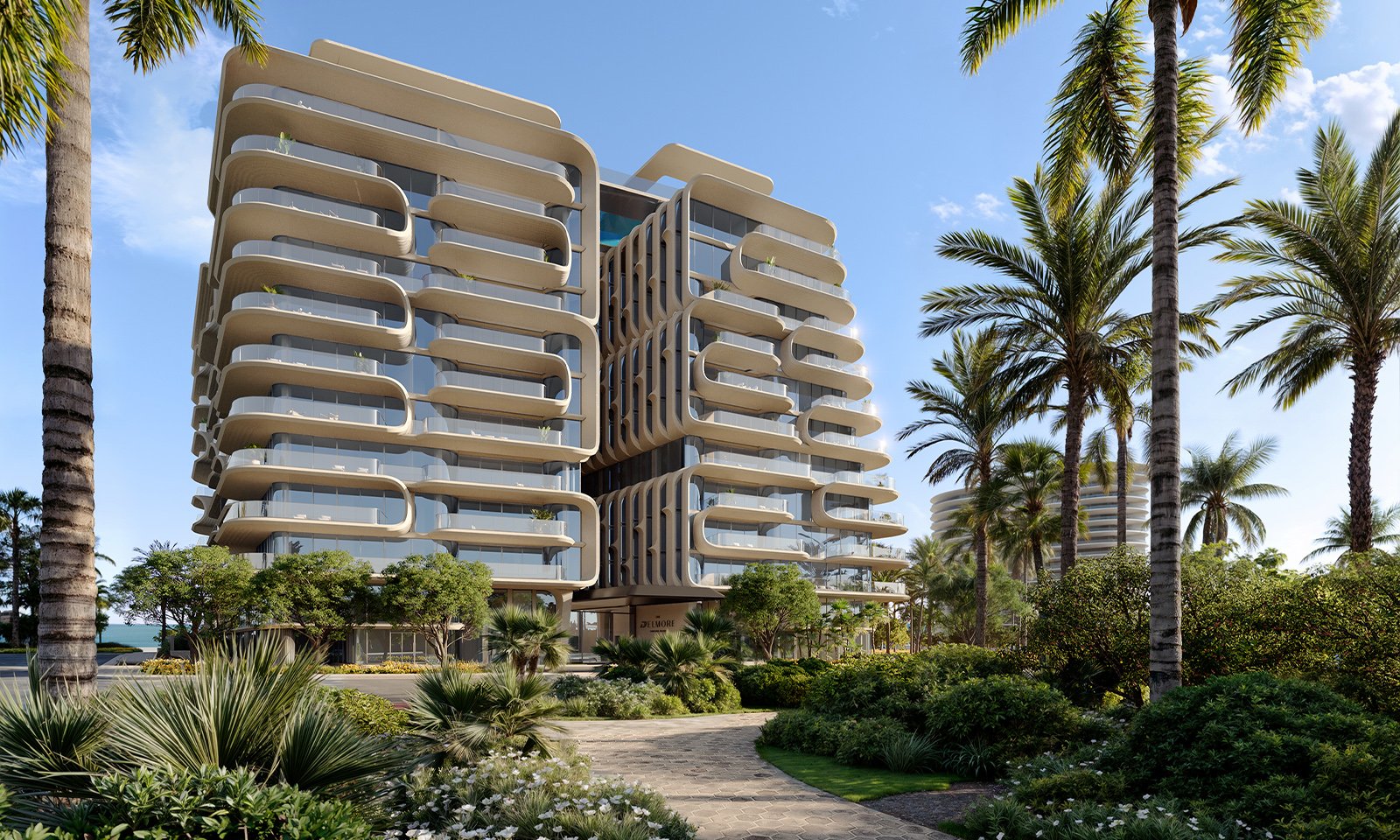
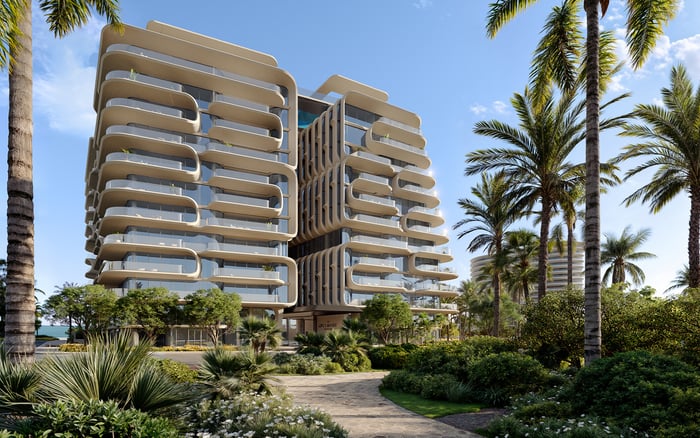
For seasonal owners, The Delmore Surfside should be considered as more than a beautifully positioned coastal residence. The decision is not only about design, views or the rhythm of winters in South Florida. It is also about how a luxury condominium functions when an owner is away for long periods, how the building is financed, how its rules are written and how its coastal responsibilities are managed over time.
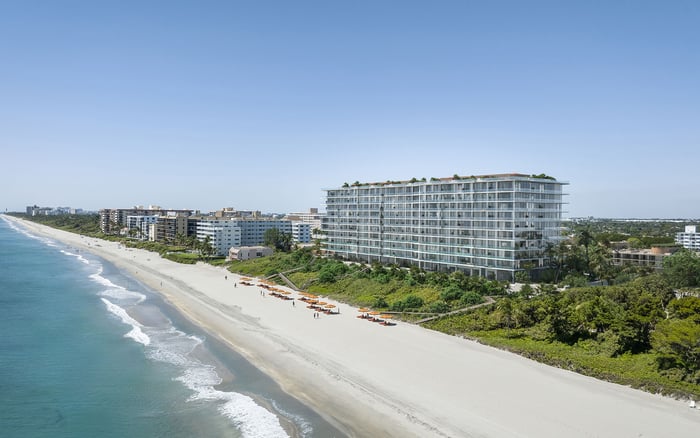
The Delmore Surfside sits within South Florida’s broader coastal luxury condominium market, in Surfside, a compact oceanfront town near Miami Beach and Bal Harbour. That location is central to its appeal. It also places the asset in a category where legal, financial, operational and environmental diligence can matter as much as the quality of the residence itself.
A full-time resident experiences a building every day. A seasonal owner often relies on systems, staff, access protocols, management communication and trusted local professionals. That distinction changes the pre-closing checklist.
Second-home buyers should ask how the building supports extended absences. Who can access the residence in an emergency? What procedures govern maintenance visits, deliveries, cleaning teams and approved vendors? How is security handled when the unit is vacant? Which owner responsibilities continue even when the residence is not in use?
These questions are not signs of hesitation. They are the questions sophisticated coastal buyers ask before closing. In ultra-prime condominiums, operational clarity protects both lifestyle and asset value.
The most important pre-closing task is to request and review the developer materials, condominium documents and association-related disclosures that govern the property. Those documents should clarify building-specific policies, costs and restrictions, rather than leaving buyers to rely on market assumptions.
At a minimum, seasonal buyers should focus on association budgets, reserve funding, inspection schedules and the possibility of future special assessments. None of these topics is glamorous, but each can affect long-term ownership cost. For coastal condominium residences, reserve and inspection diligence deserves close review.
A qualified attorney and financial adviser can help interpret what the documents mean for a non-resident owner. The goal is not to eliminate every unknown. It is to know which obligations are fixed, which may change and which require ongoing monitoring after closing.
Buyers should verify whether the ownership structure is a traditional condominium, a condo-hotel model or another operating format. The distinction can affect use rights, services, restrictions, rental parameters, staffing expectations and the way the property is managed.
A seasonal owner may be particularly sensitive to these details. If a building offers hotel-grade services, the buyer should understand which services are included, which are optional and which require separate coordination. If rules limit access, guests, vendors or rentals, those limits should be understood before closing, not discovered during the first season of ownership.
The comparison set matters. Surfside buyers often evaluate privacy, boutique scale, oceanfront access and service level against other luxury properties in the immediate area, including Fendi Château Residences Surfside and Ocean House Surfside. The question is not which address is louder in the market. It is which operating model best matches the owner’s actual pattern of use.
Oceanfront property is a privilege, and it comes with responsibilities. Seasonal owners should pay attention to coastal-risk factors that may affect insurance, maintenance, reserves and long-term ownership costs. Salt air, storm exposure, exterior systems, waterproofing, mechanical equipment and common-area maintenance all belong in the diligence conversation.
Association budgets and reserve planning are especially important because they help reveal how a condominium prepares for future obligations. Buyers should review whether funding appears aligned with anticipated maintenance, inspection and repair needs. They should also ask how special assessments are approved and communicated.
For buyers comparing Surfside and Bal Harbour, Rivage Bal Harbour offers a nearby ultra-luxury benchmark for considering how service expectations and coastal responsibility can intersect. A premium address should not invite relaxed diligence. It should invite more precise diligence.
The Delmore Surfside is being evaluated in a context where privacy, boutique scale, oceanfront access and hotel-grade service are likely comparison points. For seasonal owners, each of those attributes should be translated into practical questions.
Privacy is not only about a low-profile arrival. It is about guest procedures, elevator access, staff discretion and how the building manages owner information. Boutique scale is not only about fewer neighbors. It may also affect staffing coverage, amenity availability, association economics and the intimacy of governance. Service is not only about convenience. It is about accountability when the owner is not present.
A buyer considering The Surf Club Four Seasons Surfside as part of the local reference set will naturally compare the service environment, owner support and the level of daily management. The Delmore Surfside should be measured through the same disciplined lens, with the final judgment based on actual documents and stated policies.
Non-resident and international buyers should prepare for the practical realities of owning a Florida coastal condominium while away for extended periods. That means establishing trusted points of contact, confirming access procedures, understanding billing cycles and knowing how urgent building notices are delivered.
Insurance, tax planning, estate structure, funds transfers and local representation may all require coordination before closing. The building may be exceptional, but ownership still depends on process. A seasonal owner who organizes these details early is better positioned to enjoy the property without improvising from another city or country.
Investment discipline also matters, even when the purchase is lifestyle-led. The strongest buyers do not separate enjoyment from stewardship. They understand that operating rules, reserve policy, insurance exposure and maintenance planning are part of the value proposition.
The right mindset for The Delmore Surfside is neither skeptical nor starry-eyed. It is exacting. Seasonal buyers should confirm the ownership model, review condominium and association documents, evaluate reserve and inspection obligations, understand absence protocols and compare the building’s service profile against nearby luxury benchmarks.
The residence may offer the pleasures that define Surfside: oceanfront calm, proximity to Miami Beach and Bal Harbour, and a more discreet coastal rhythm than larger resort corridors. But before closing, the essential question is operational. Will the building support the way you intend to live, leave, return and preserve the asset over time?
What should seasonal buyers review first at The Delmore Surfside? Start with the developer materials, condominium documents, association budget, reserve information, inspection schedule and any rules affecting use or access.
Why does the ownership structure matter? Buyers should confirm whether the model is a traditional condominium, condo-hotel or another structure because it can affect services, restrictions and use rights.
Are reserves important for a seasonal owner? Yes. Reserve funding can influence long-term costs, future maintenance planning and the potential need for special assessments.
What coastal risks should buyers consider? Oceanfront properties may face insurance, maintenance, storm exposure and building-system considerations that should be reviewed before closing.
How should an absent owner plan for maintenance? Confirm vendor access, emergency entry procedures, security protocols, inspection routines and communication expectations while the residence is vacant.
Should buyers compare The Delmore Surfside with other nearby buildings? Yes. Comparing amenities, privacy, service level and risk profile with Surfside and Bal Harbour benchmarks can clarify fit.
Is hotel-grade service always included? Not necessarily. Buyers should verify which services are included, which are optional and how they are delivered under the building’s operating model.
Why are inspection timing and reserve planning relevant? They help buyers understand potential maintenance obligations, long-term costs and the way the property prepares for future needs.
What should international buyers prepare before closing? They should coordinate legal, tax, insurance, access, payment and local representation matters before relying on the residence seasonally.
What is the central pre-closing question? Whether the project-specific documents, costs, policies and operations support the owner’s intended seasonal lifestyle and long-term stewardship.
For a confidential assessment and a building-by-building shortlist, connect with MILLION.
If branded residences are on your mind — as a home or as an allocation — we would be glad to share what we are seeing, privately.
Begin a quiet conversation