A disciplined comparison of three West Palm Beach residential opportunities, centered on location, scale, service, governance, resilience, and long-term fit.
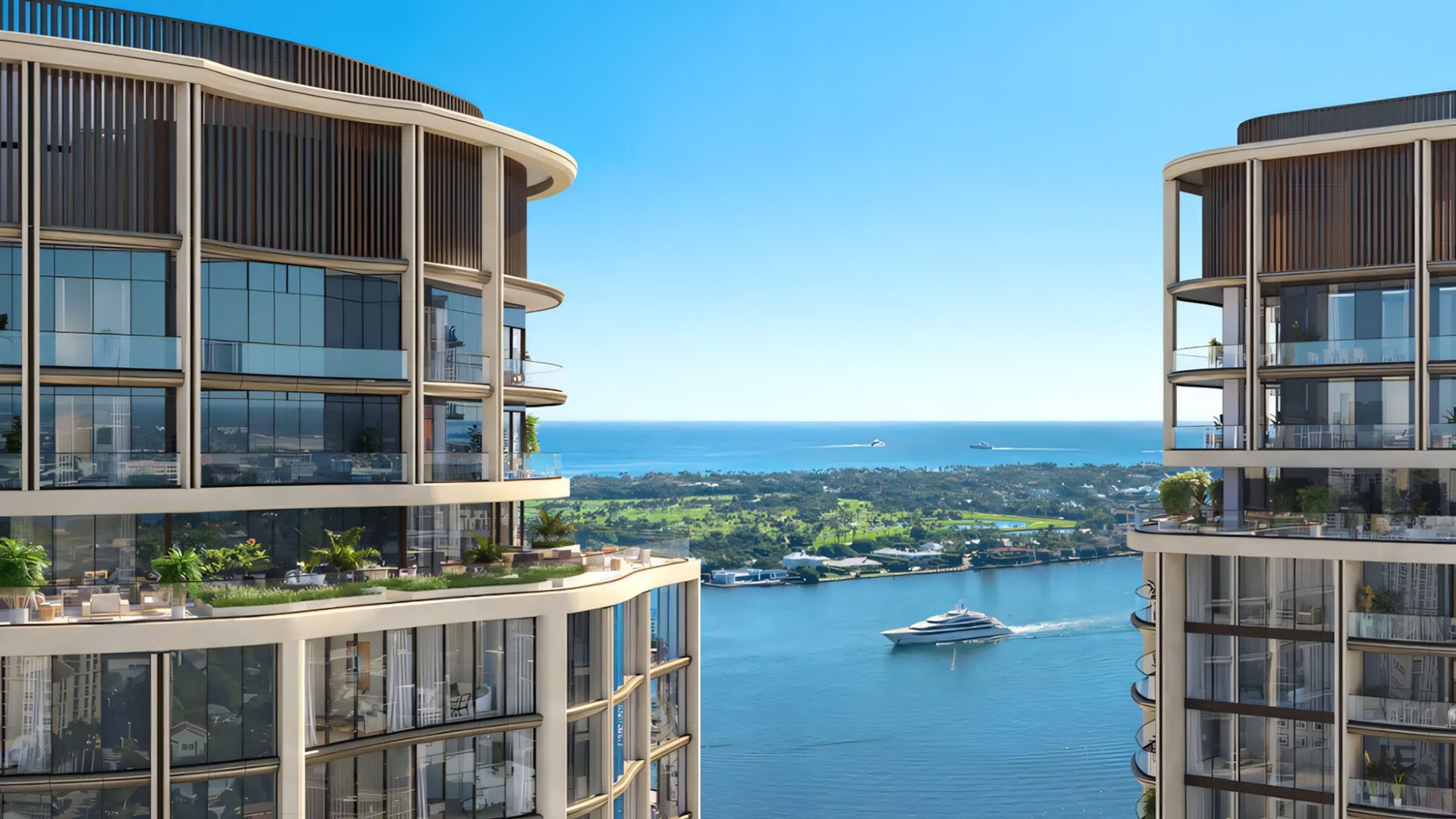
Waterfront ownership in West Palm Beach is best understood as a long-term lifestyle decision-not a contest of presentation galleries or amenity counts. The most consequential variables are often less visible: the precise setting, the number of neighbors sharing the building, the service structure, governance, operating obligations, and the property’s ability to perform gracefully over time.
That framework is especially useful when considering Shorecrest Flagler Drive West Palm Beach alongside Edgeworth West Palm Beach and Banyan Tree Residences West Palm Beach. Rather than treating the three as interchangeable expressions of luxury, buyers should define what each ownership proposition means for daily life, seasonal use, and eventual resale.
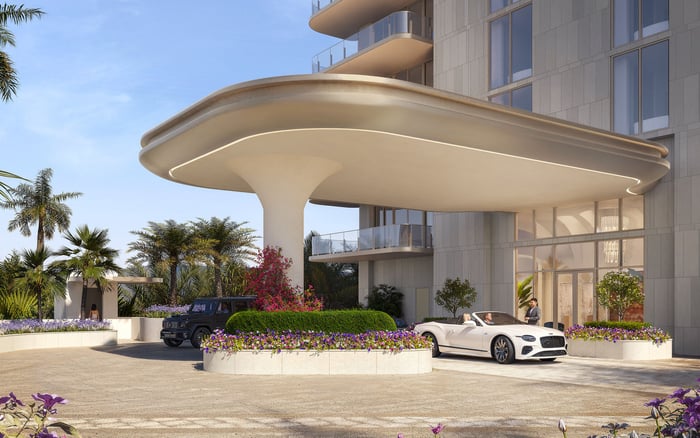
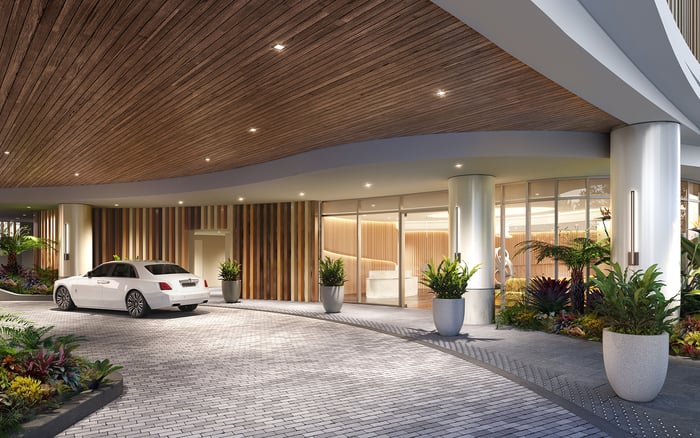
Shorecrest is positioned around waterfront condominium ownership on Flagler Drive, representing the boutique trophy-condominium model within this comparison. Its setting should be evaluated as a primary asset. Access, view orientation, neighborhood context, and the experience of arriving home may matter more than the length of the amenity inventory.
For Edgeworth and Banyan Tree Residences, a prudent comparison begins with the same questions, followed by a review of project-specific documentation. Consider how each residence relates to its surroundings, how private the common areas feel, and what level of service is embedded in ownership. Confirm every material term directly rather than carrying assumptions from one development to another.
A broader local comparison can further sharpen perspective. South Flagler House West Palm Beach offers another relevant project for calibrating location, residential character, and the broader Flagler corridor.
A water view can be emotionally decisive, but a complete location analysis is more exacting. Visit at different times and assess traffic patterns, the arrival sequence, privacy from neighboring properties, light, exposure, and practical routes to preferred daily destinations. Evaluate the residence from within, not only from a rendering or balcony vantage point.
For Shorecrest, the Flagler Drive setting is central to the purchase thesis. Buyers should consider whether that context supports full-time routines, occasional stays, or a lock-and-leave pattern. The strongest address is one that works on an ordinary Tuesday as convincingly as it does during a holiday week.
Building scale can shape nearly every aspect of condominium life. It influences resident density, elevator use, shared-space dynamics, staffing economics, privacy, and the atmosphere of the lobby and pool. A smaller resident population may feel more discreet, but buyers should still determine how costs and responsibilities are distributed.
The service model warrants equal scrutiny. Seek clarity on staffing, operating hours, security, maintenance responsibilities, guest procedures, deliveries, parking operations, and any services billed separately. High-touch convenience can be compelling, but it must be considered alongside likely operating costs.
Governance completes the equation. Review the condominium documents, budgets, reserve approach, insurance framework, owner voting rights, leasing provisions, pet rules, alteration procedures, and restrictions affecting guests or household staff. Engage Florida condominium counsel and appropriate tax, insurance, and engineering advisers before commitments become nonrefundable.
Waterfront ownership demands a forward-looking review of the building envelope, glazing, waterproofing, drainage, backup systems, mechanical placement, inspection protocols, and emergency planning. Resilience should stand alongside architecture and amenities in the purchase decision, not behind them.
Buyers should also examine deductibles, exclusions, reserve assumptions, maintenance cycles, and the boundaries of responsibility between the association and individual owners. These details can affect both annual carrying costs and the ease of managing a residence from elsewhere. For portfolio buyers, the long-term ownership profile is more instructive than launch-period positioning alone.
A primary resident may prioritize reliable staffing, daily circulation, storage, governance, and neighborhood access. Second-home buyers may place greater weight on secure arrival, owner-absence protocols, maintenance coordination, and effortless reopening after extended periods away. A portfolio buyer may focus more heavily on transferability, leasing rules, recurring costs, and future buyer depth.
Buyers pursuing Florida residency should coordinate the purchase with a broader tax-residency plan and obtain individualized professional advice. The residence itself is only one component; patterns of use, records, timing, and personal circumstances can all matter.
This is the practical spirit of MILLION Buyer's Guides: define the intended use first, then test location, scale, service, governance, and resilience against that brief. Lifestyle fit emerges from the way those elements work together.
Create a side-by-side ownership matrix for Shorecrest, Edgeworth, and Banyan Tree Residences. Include residence orientation, privacy, building scale, service hours, projected and separately billed costs, governance terms, resilience measures, insurance structure, parking, storage, pet policies, leasing rules, and contract milestones.
Then revisit the leading residence with advisers and concentrate on unresolved questions. A refined purchase is not the one with the fewest questions; it is the one whose answers align most convincingly with the buyer’s intended life and risk tolerance.
What distinguishes Shorecrest in this comparison? Shorecrest represents the boutique trophy-condominium model, with its Flagler Drive setting central to the ownership proposition.
Should buyers compare these projects by amenity count? No. Amenities should be considered alongside location, scale, service, governance, and recurring obligations.
Why does building scale matter? Scale can influence privacy, resident density, staffing economics, shared-space use, and the overall ownership atmosphere.
What should buyers review about service? Confirm staffing levels, operating hours, security, deliveries, guest procedures, maintenance support, and separately billed services.
Which governance documents deserve attention? Review budgets, reserves, voting rights, insurance, leasing provisions, pet rules, alteration procedures, and use restrictions.
How should waterfront resilience be assessed? Examine the building envelope, glazing, drainage, waterproofing, backup systems, mechanical placement, inspections, and emergency plans.
What matters most for a primary residence? Daily access, dependable staffing, storage, circulation, governance, and neighborhood fit generally deserve close attention.
What matters most for a seasonal residence? Prioritize secure arrival, absence protocols, maintenance coordination, carrying costs, and an effortless return after time away.
Is Shorecrest suitable as a portfolio asset? Suitability depends on carrying costs, governance, use restrictions, resilience, transferability, and the buyer’s holding strategy.
How should a buyer make the final choice? Compare verified documents and lived experience against intended use, adviser input, financial tolerance, and long-term priorities.
For a confidential assessment and a building-by-building shortlist, connect with MILLION.
If branded residences are on your mind — as a home or as an allocation — we would be glad to share what we are seeing, privately.
Begin a quiet conversation