A collector-focused comparison of three distinctive Coconut Grove residences, examining display walls, light, climate control, artwork logistics, and building operations.
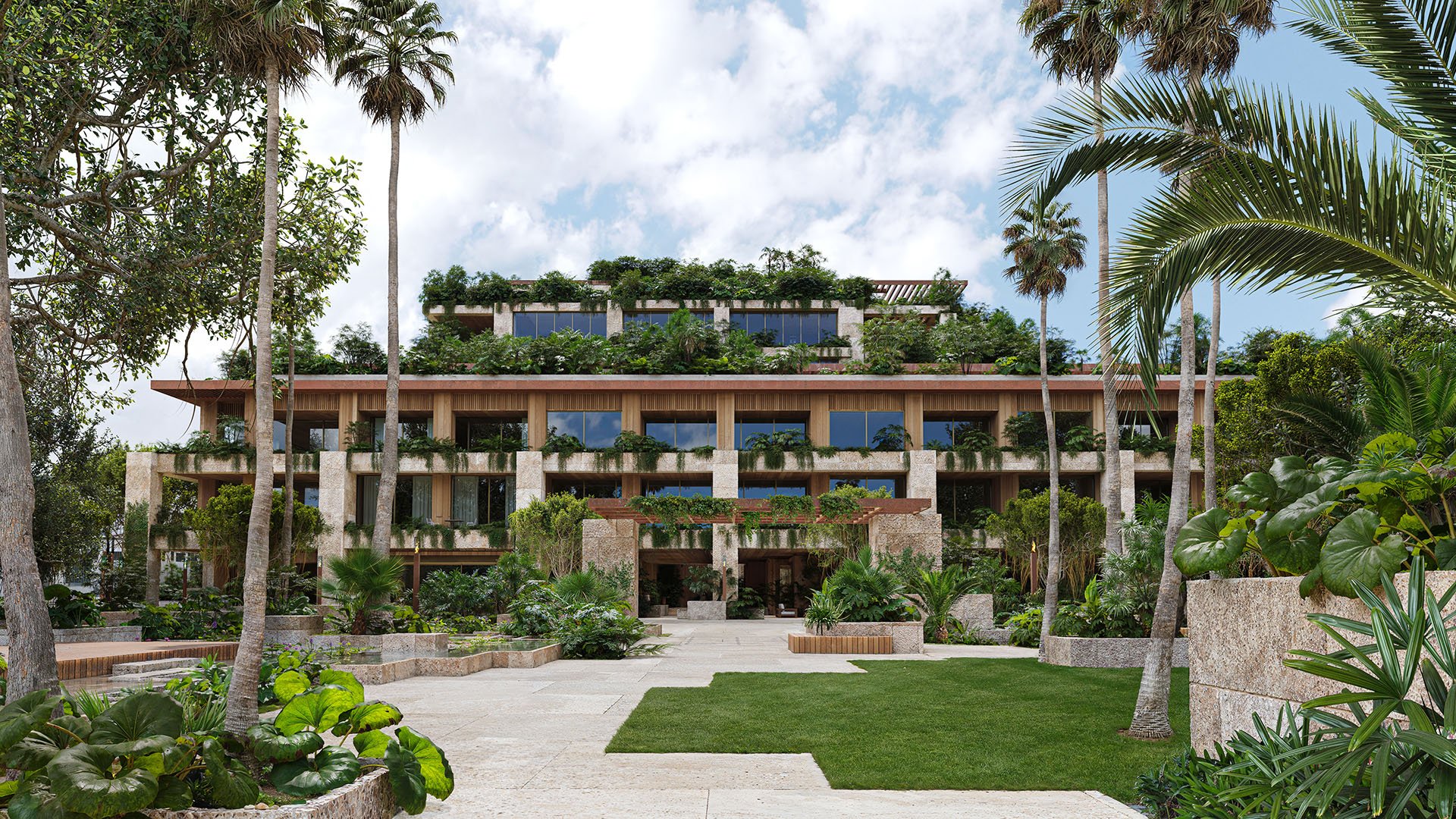
Coconut Grove offers a nuanced setting for collectors who want their residence to function as more than a backdrop. The relevant question is not simply how much space a home contains, but whether architecture, light, circulation, mechanical systems, and service protocols work together to create a credible habitat for art.
Three boutique projects approach that question differently. Opus Coconut Grove emphasizes design-forward minimalism. The Well Coconut Grove is organized around holistic wellness. Ziggurat Coconut Grove presents a more sculptural architectural expression. None should be assumed to provide museum-grade conditions based on positioning alone. Each requires the collector to look beyond visual identity and examine how the residence will perform.
This is where buyer guidance intersects with design and architecture: aesthetic distinction matters, but disciplined due diligence protects the collection.
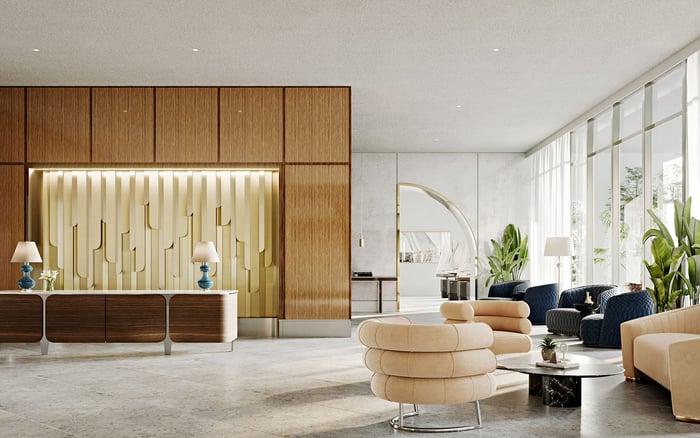
Opus Coconut Grove is presented as a boutique, design-led residential development. Its restrained concept may appeal to buyers who want artwork, furniture, and objects to establish a room’s visual rhythm rather than compete with an overly assertive interior.
For a collector, however, minimalism is useful only when the plan supports it. Review uninterrupted wall lengths rather than total interior area alone. Test sightlines from entries and principal seating positions. Confirm that circulation remains comfortable when a large canvas, deep frame, plinth, or freestanding sculpture occupies its intended location.
Glazing deserves equal scrutiny. Abundant daylight can create a compelling atmosphere while exposing sensitive works to unwanted light. Buyers should map direct sun throughout the day, identify walls that remain protected, and determine whether window treatments and adjustable artificial lighting can establish more controlled display conditions. Opus is best evaluated as an art habitat, not merely an elegant envelope.
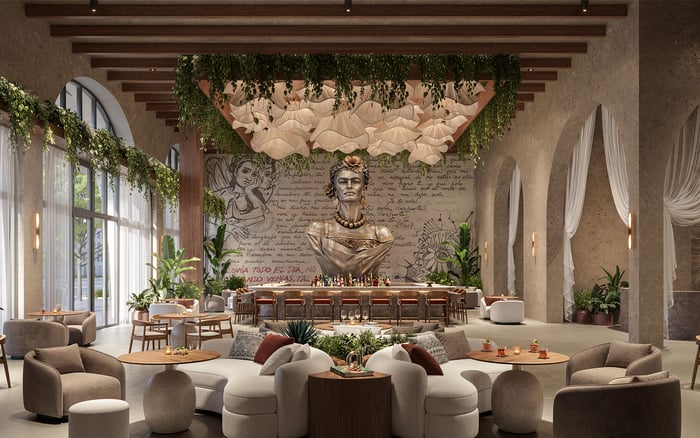
The Well Coconut Grove has the clearest lifestyle proposition of the three: holistic wellness. For collectors, that identity raises an intriguing operational question. Can a building culture centered on personal well-being also provide the consistency, discretion, and responsiveness that valuable art requires?
The answer depends on private and shared systems. Within the residence, buyers should examine HVAC performance, humidity stability, lighting flexibility, and the relationship between display walls and exterior glazing. At the building level, they should ask how management handles deliveries, installer access, emergency response, insurance responsibilities, and service coordination.
Wellness programming may enrich daily life, but it does not independently establish conservation-grade conditions. Long-term suitability depends on whether the residence and building operations can maintain a stable environment, particularly during seasonal humidity, severe weather, power interruptions, or water-related incidents. The strongest fit will be a buyer who values wellness as a way of life while insisting on written operational clarity.
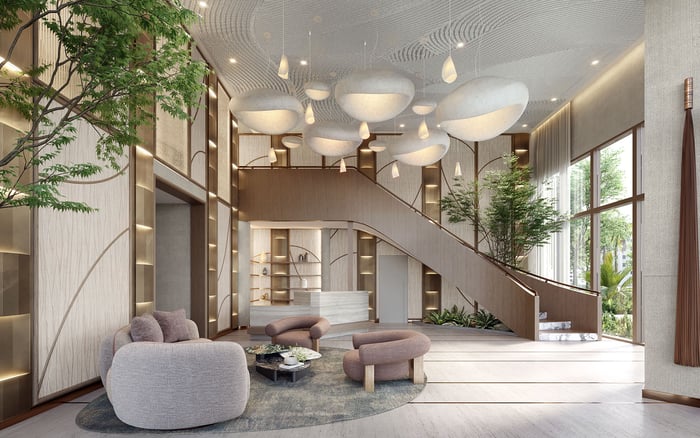
Ziggurat Coconut Grove may resonate with collectors who consider architecture part of the broader art-and-design experience. Its sculptural expression gives the building a distinct conceptual presence within a boutique residential format.
Expressive form, however, must translate into usable interiors. Buyers should test actual wall dimensions, furniture layouts, and turning radii rather than rely on the drama of renderings. Angled conditions, openings, or other distinctive spatial gestures can create memorable moments, but they may also reduce the number of suitable positions for large-format works.
Artwork circulation is equally important. Trace the complete route from arrival to final installation, accounting for freight-elevator dimensions, corridor clearances, door openings, protective procedures, and installer access. A building can feel like a work of art while still demanding careful confirmation that the collection can move through it safely.
Across all three projects, begin with a scaled hanging plan. Mark artwork dimensions, frame depths, sculpture footprints, desired viewing distances, furniture placement, vents, switches, and glazing. This exercise quickly reveals whether apparently generous rooms offer genuinely useful display surfaces.
Then assess environmental performance. Request current information on mechanical systems, humidity management, backup power, water-leak response, and the degree of control available within the residence. Ask whether lighting can be adjusted by zone and whether fixtures can accommodate future changes to the collection.
Obtain operational rules in writing before contracting. Key topics include freight access, delivery scheduling, installer credentials, drilling or structural restrictions, wall reinforcement, protective coverings, insurance requirements, hurricane procedures, and responsibility after an incident. These details are not secondary conveniences; they determine whether stewardship remains orderly after move-in.
Project specifications can change before completion. Buyers should verify current floor plans, ceiling heights, glazing, delivery schedules, mechanical details, and amenities directly, then involve an art adviser, conservator, lighting specialist, insurer, and experienced installer where appropriate.
The comparison ultimately comes down to priorities. Opus offers the promise of a quiet, minimalist framework in which art can lead. The Well places collection care within a wellness-oriented residential culture, making operational standards especially important. Ziggurat offers architectural character for buyers who want the building itself to participate in the aesthetic experience.
For the serious collector, the winning residence will not necessarily be the largest or most visually dramatic. It will be the one whose walls, light, climate, logistics, and management align most convincingly with the collection’s scale, material sensitivity, and future evolution.
Which project has the most minimalist concept? Opus is distinguished by design-forward minimalism, making it a natural starting point for buyers who want art to command the room.
Is The Well suitable for valuable art? Its suitability depends on verified conditions within the residence and the operational standards maintained throughout the building.
Why might collectors consider Ziggurat? Its sculptural architecture may appeal to buyers who see the building as part of a broader art-and-design experience.
Does total square footage predict display capacity? No. Uninterrupted wall length, sightlines, circulation, glazing, and furniture placement can be more consequential.
What should buyers examine about natural light? They should map direct-sun exposure and confirm that window treatments and flexible lighting can protect sensitive works.
Why does humidity stability matter? Stable conditions can be important to responsible stewardship, so buyers should verify HVAC and humidity performance.
What delivery details should be confirmed? Confirm freight-elevator dimensions, corridor and doorway clearances, scheduling rules, installer access, and protective procedures.
Should hurricane planning include the collection? Yes. Buyers should review insurance, backup power, water response, emergency protocols, and responsibility for artwork.
Can marketing language guarantee museum-grade conditions? No. Design, wellness, and architectural positioning should be supported by technical and operational verification.
What should be rechecked before contracting? Verify current plans, ceiling heights, glazing, mechanical systems, delivery timing, amenities, and written building rules.
For a tailored shortlist and next-step guidance, connect with MILLION.
If branded residences are on your mind — as a home or as an allocation — we would be glad to share what we are seeing, privately.
Begin a quiet conversation