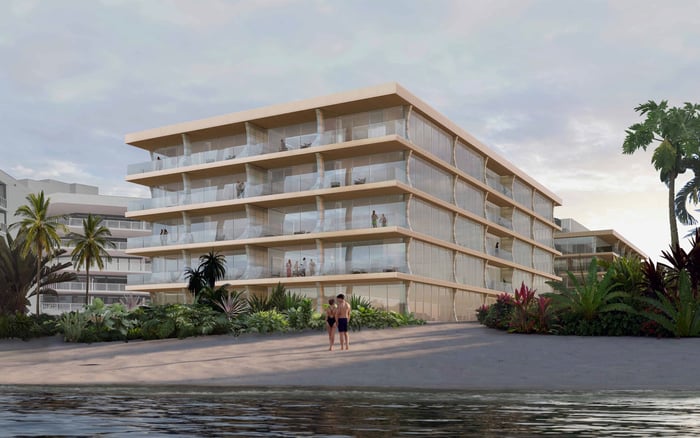
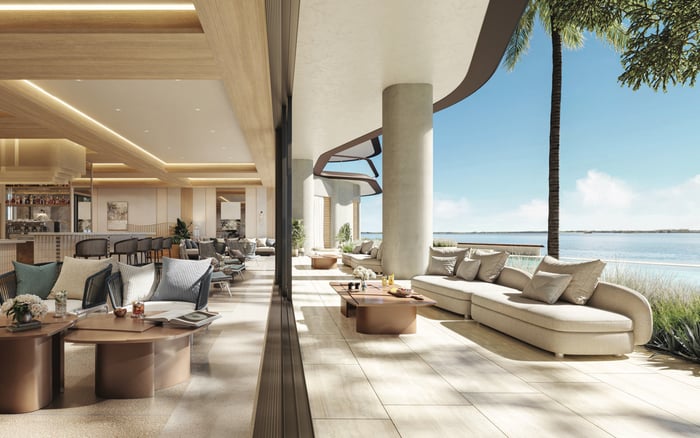
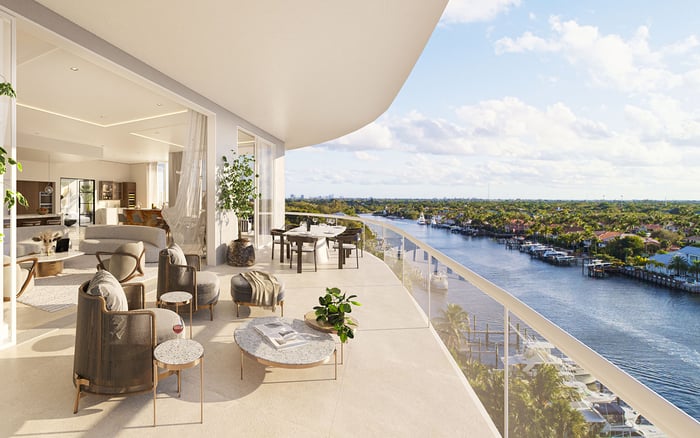
A buyer-focused editorial on how Mr. C Residences Boca Raton can be understood as a hospitality-driven platform for longer family visits, seasonal use, and multi-generational living.
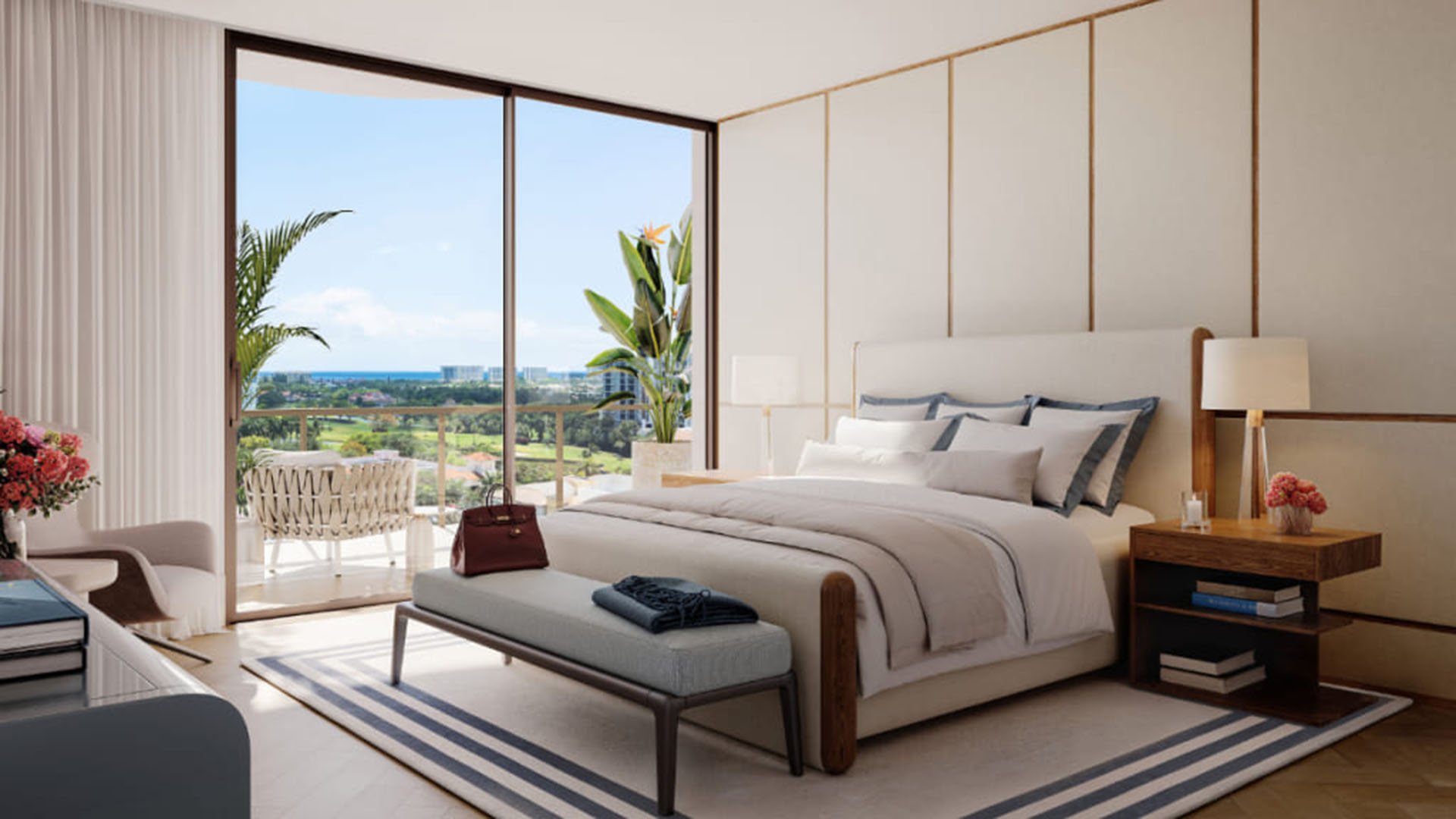
For many affluent South Florida buyers, the second home is no longer simply a private retreat. It is a seasonal family headquarters, activated in waves by grandparents, adult children, grandchildren, visiting friends, and household staff. In that context, Mr. C Residences Boca Raton is best evaluated through a specific lens: how effectively a hospitality-driven residence can support extended family stays measured in weeks, not just long weekends.
That distinction matters. A guest suite for one or two nights is a different proposition from a home that must absorb multiple generations, divergent sleep schedules, varied dining preferences, work calls, school breaks, and the social rhythm of Boca Raton in season. The central opportunity is to align the project’s hospitality positioning with the practical realities of family living and longer visits.
This is where the conversation moves beyond the conventional vocabulary of branded residences. The more compelling frame is a multi-generational lifestyle platform, one that treats guests not as occasional interruptions, but as an expected dimension of ownership.
Boca Raton has long appealed to families who use South Florida seasonally, often arriving in waves rather than all at once. Grandparents may come first, adult children may overlap around holidays or school breaks, and grandchildren may extend the stay into a fuller family residency pattern. For these buyers, the home has to function with more elasticity than a typical pied-a-terre.
That is why the guest strategy at Mr. C Residences Boca Raton deserves close attention. The relevant question is not only whether the residence is polished. It is whether the ownership experience can remain composed when the home is full, routines multiply, and the visit becomes a meaningful stay.
Buyers comparing Boca Raton options such as The Residences at Mandarin Oriental Boca Raton, Alina Residences Boca Raton, and Glass House Boca Raton should consider how each residence supports family duration, not just design preference. The difference between a beautiful home and a workable family base becomes more visible after the second week of a visit.
For extended family stays, unit typology is the first practical lever. The ideal plan is not simply the largest plan. It is the plan that manages separation, acoustics, storage, morning routines, and privacy without weakening the shared experience.
A buyer should ask how a residence might handle grandparents who prefer quiet mornings, adult children who need private space for work, and grandchildren who move between meals, activities, and downtime. Separate sleeping zones, flexible rooms, and generous gathering areas all matter, but the deeper issue is flow. Does the residence allow a family to be together without forcing constant proximity?
This is especially important in a second-home context. The owner may not occupy the residence at the same intensity year-round, yet during peak family windows the home must perform at full capacity. A residence that feels serene with two occupants can feel strained with six or eight unless the plan anticipates real family use.
The appeal of a hospitality-driven residence is not service as ornament. For extended family stays, service can reduce friction. Concierge support can help convert the logistics of arrivals, daily coordination, dining preferences, transportation needs, and guest comfort into a more seamless experience.
That is the strategic promise behind the Mr. C Residences Boca Raton positioning. When family visits become longer, the residence is not competing with a hotel so much as borrowing the best lessons of hotel life: ease, responsiveness, discretion, and the sense that details are being handled before they become burdens.
The same principle explains the broader interest in related hospitality-forward projects, including Mr. C Residences West Palm Beach. In South Florida, the most persuasive branded concepts are those that make ownership easier during the exact moments when family life becomes most complex.
Amenity programming is another major lever in a successful guest strategy. The key is not the sheer number of amenities. It is whether programming can support different ages, rhythms, and expectations without making the residence feel transient.
Grandparents may value calm, convenience, and a gracious setting for receiving family. Adult children may need wellness, privacy, or places to decompress between family obligations. Grandchildren may need safe, engaging outlets that prevent every hour from depending on the private residence itself. A thoughtful program gives each generation somewhere to belong.
For buyers, this means asking a practical lifestyle question: can the building absorb the family’s daily life, or will the private residence carry the entire burden? The stronger answer is usually a combination of private sanctuary and shared residential infrastructure.
Operational policies often reveal their importance only after the first wave of excitement has passed. For short visits, almost any polished residence can perform well. For longer family stays, policies around guest access, registration, resident privacy, service coordination, and building etiquette become central to the ownership experience.
This is not a minor administrative point. A residence designed for long stays must distinguish between genuine family use and casual visitor traffic. The objective is to make relatives feel welcomed while preserving the residential character that owners expect. That balance is essential in new-construction settings where brand, design, and operations must mature together into a durable ownership culture.
Buyers should review how a building’s policies anticipate grandparents, adult children, and grandchildren staying together. The best experience is one in which procedures are clear enough to protect the residence, but refined enough that family members do not feel processed.
A serious buyer should approach Mr. C Residences Boca Raton with a family-use checklist. How many people will realistically stay at once? Which generations overlap? Does anyone work remotely during visits? Are meals mostly private, social, or a mix of both? How often will guests arrive without the primary owner present? Will family stays occur in defined seasonal periods or across the year?
These questions are not about skepticism. They are about precision. The more valuable the residence, the more important it becomes to match the ownership structure to real life. In the highest tier of South Florida real estate, comfort is increasingly measured by how little friction is felt when a home is fully occupied.
Seen this way, Mr. C Residences Boca Raton is not merely a branded condominium discussion. It is a test case in how hospitality and multi-generational living can overlap in a market where family presence is often the point of ownership.
What is the guest strategy at Mr. C Residences Boca Raton? It is the idea that ownership should support longer extended family stays, not only occasional overnight visitors.
Why does this matter for Boca Raton buyers? Many affluent families use Boca Raton seasonally, with grandparents, adult children, and grandchildren arriving in overlapping waves.
Is this only about having extra bedrooms? No. Unit typology matters, but so do privacy, circulation, storage, service coordination, and the ability to live comfortably for weeks.
How does hospitality change the family-stay experience? Concierge support can reduce logistical pressure and help make longer visits feel more like a refined hospitality experience.
Are specific floor plans or amenities confirmed here? This article does not rely on undisclosed specifics. Buyers should evaluate current project materials directly before making decisions.
Who is the ideal extended-stay user? The clearest use case is a multi-generational family that wants a South Florida base capable of hosting longer seasonal visits.
What should buyers ask about operations? Buyers should review guest access, registration, service procedures, privacy standards, and policies for longer family stays.
How is this different from a typical branded residence? The stronger interpretation is a multi-generational lifestyle platform, where brand value is measured by how well family life functions.
Can a residence feel private with extended family present? It can, if the unit layout, service model, and building operations create both shared space and meaningful separation.
What is the main buyer takeaway? Evaluate the residence as a long-stay family system, not just as a luxury address or occasional vacation home.
For a discreet conversation and a curated building-by-building shortlist, connect with MILLION.
If branded residences are on your mind — as a home or as an allocation — we would be glad to share what we are seeing, privately.
Begin a quiet conversation