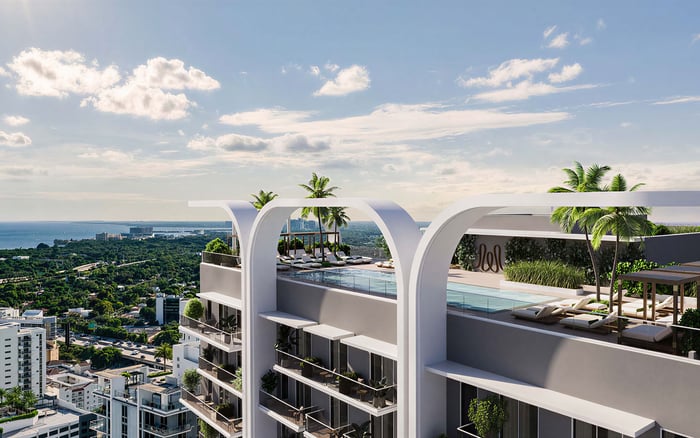
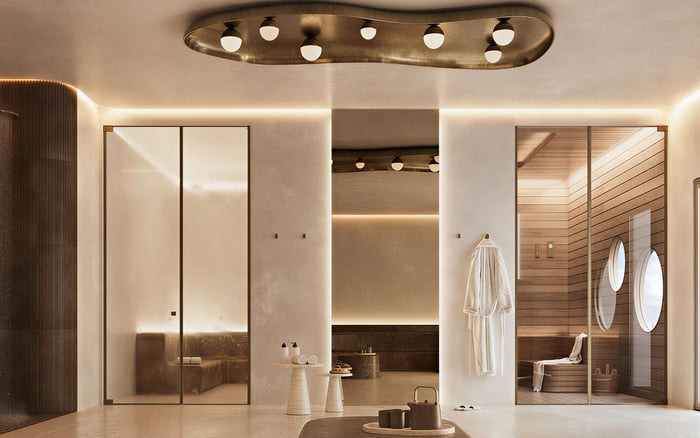
A discreet buyer’s guide to reviewing House of Wellness Brickell before reservation, with emphasis on wellness positioning, contract posture, lifestyle fit, and long-term ownership discipline.
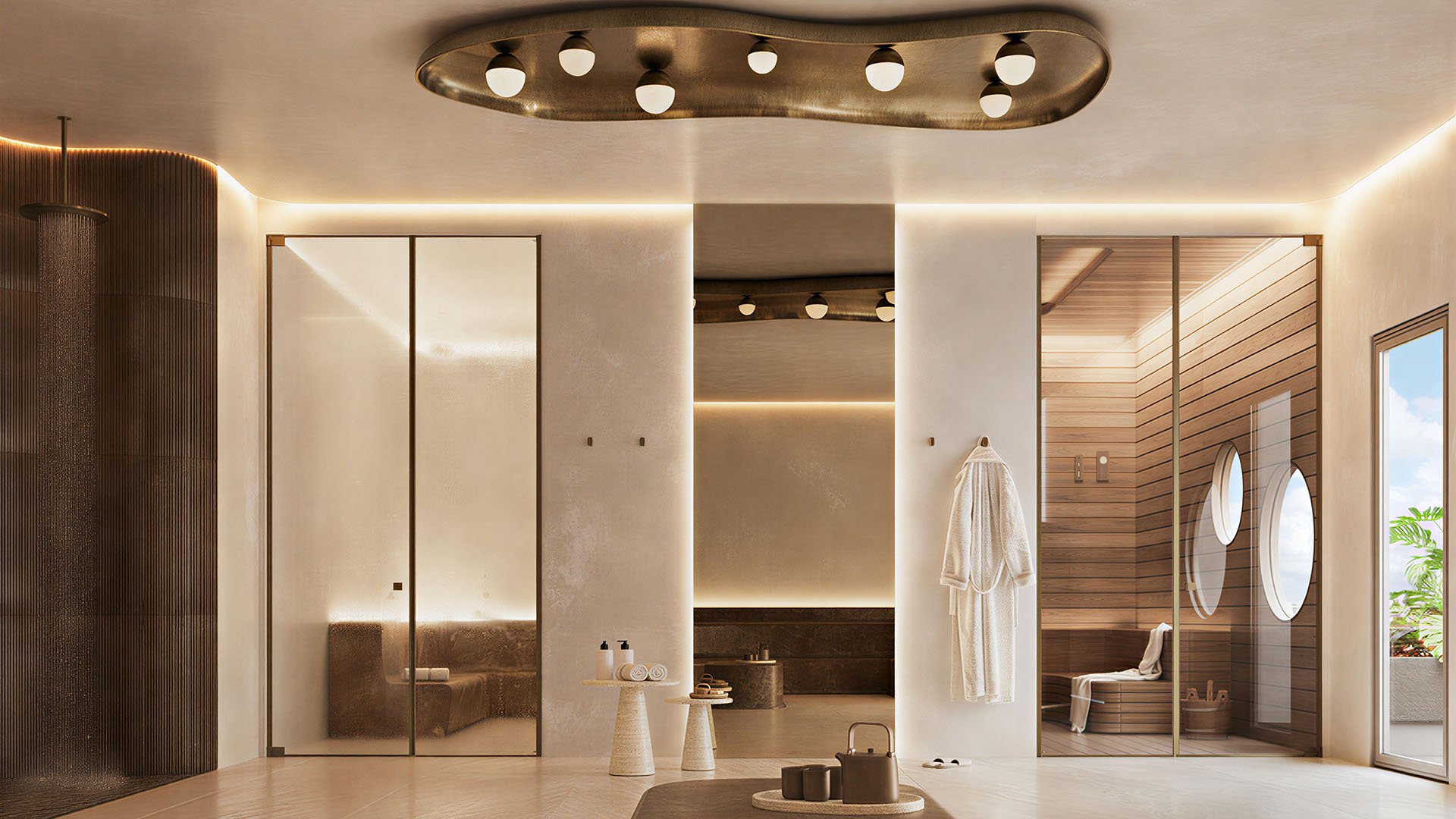
For buyers considering House of Wellness Brickell, the central question is not simply whether the concept feels compelling. It is whether the residence, building culture, and purchase structure align with how the buyer intends to live, hold, and eventually exit the asset.
Brickell has matured into one of South Florida’s most closely watched luxury condominium markets. It attracts international owners, finance and technology executives, second-home buyers, and investors who value proximity to dining, offices, waterfront promenades, and the broader Miami lifestyle. That depth of demand also makes selectivity essential. In a neighborhood with numerous high-profile residential offerings, a reservation should be treated as the beginning of a disciplined review, not the conclusion of a purchase decision.
This Brickell Buyer's Guides perspective is especially relevant for pre-construction and new-construction decisions, where lifestyle and investment goals often overlap. The strongest buyers do not reserve because a building sounds timely. They reserve because the plan, documents, pricing posture, service model, and daily experience can withstand careful questioning.
“Wellness” has become one of the defining terms in luxury residential marketing. It may refer to fitness, spa programming, recovery spaces, air and water quality, nutrition, restorative design, social rituals, or simply a softer, more health-conscious tone. Before reserving, a buyer should ask what the term means in practice within the building’s program.
The distinction matters. A residence may present wellness as a design philosophy, an amenity package, a branded service layer, or a broader residential culture. Each version carries different implications for operating expenses, staffing, privacy, scheduling, and long-term maintenance. A meditation room is not the same ownership proposition as a building that requires a larger service ecosystem. A spa suite is not the same as a fully programmed wellness club.
Buyers should request clarity on what is planned, what is guaranteed, what is aspirational, and what could change before completion. Even the most elegant wellness concept remains subject to construction budgets, association decisions, staffing realities, and future owner priorities. A polished rendering can introduce the story, but the condominium documents and purchase materials determine what ownership actually includes.
A reservation can create emotional momentum. It can also create confusion if the buyer does not understand whether it is binding, refundable, transferable, or subject to later contract terms. Before sending funds, buyers should understand exactly what is being reserved: a specific residence, a priority position, a pricing opportunity, or merely an expression of interest.
The review should include deposit timing, cancellation rights, deadlines for conversion to contract, and any conditions attached to price, unit selection, or incentives. Buyers should also understand how changes in floor plan, finishes, view corridors, or delivery timing may be handled. Counsel should review the documents before any buyer assumes that early access equals certainty.
In Brickell, the reservation phase can feel competitive because desirable lines, views, and high-floor residences often draw early attention. Still, urgency should not replace analysis. A buyer with a clear framework can move quickly without moving blindly.
House of Wellness Brickell should be reviewed within the broader Brickell luxury landscape. A buyer may also be considering The Residences at 1428 Brickell, St. Regis® Residences Brickell, or Cipriani Residences Brickell. Each name signals a different residential language, and the right comparison is not only price per square foot. It is how the building intends to serve its owners.
A useful comparison includes arrival sequence, privacy, elevator experience, amenity density, residence proportions, terrace usability, ceiling heights where disclosed, parking logic, storage, service culture, and the level of formality expected in common spaces. Some buyers want hotel-like attention. Others want a quieter residential rhythm. Some value a globally recognizable name. Others prefer a concept that feels more personal and lifestyle-specific.
Buyers should also compare how each project frames ownership beyond the unit. In a luxury tower, the residence is only one part of the asset. The lobby, staff training, maintenance standards, amenity rules, and association governance all shape the experience that future buyers will evaluate.
A compelling building idea cannot compensate for a poorly matched floor plan. Before reserving, buyers should study the residence itself with the same care they would apply to a completed home. The most important questions are practical: How does the living space receive light? How private are the bedroom zones? Is the kitchen intended for daily use, entertaining, or both? Does the terrace function as outdoor living, or is it mostly visual? Where will art, wardrobes, luggage, wine, fitness equipment, and staff access be accommodated?
Luxury buyers often focus on views first, but livability is decided by circulation, proportion, storage, acoustics, and the relationship between public and private spaces. In Brickell, where urban energy is part of the appeal, buyers should think carefully about exposure, nighttime ambiance, elevator proximity, and the experience of arriving home at peak hours.
A wellness-forward building may appeal to buyers who value balance and restoration. That makes the interior plan even more important. If the residence itself does not feel calm, intuitive, and deeply usable, the broader wellness promise becomes less persuasive.
Before reserving, buyers should seek the clearest available view of expected ownership costs. Monthly association expenses, reserves, insurance, service staffing, utilities, valet or parking arrangements, and amenity operations all affect the true cost of holding the property. A wellness-focused program may be especially sensitive to operating assumptions if it involves specialized spaces, treatment rooms, programming, or staffing.
The goal is not to minimize expenses at the expense of quality. In the ultra-premium market, well-run service costs money. The goal is to determine whether projected costs are coherent, transparent, and aligned with the buyer’s intended use. A full-time resident, a seasonal owner, and a long-hold investor will assess the same budget differently.
Buyers should also consider future association governance. Once a building is delivered, owners collectively influence the tone and upkeep of the property. A sophisticated buyer will want to understand how the original vision can be protected after turnover, particularly if the wellness identity is central to long-term value.
Even buyers purchasing primarily for lifestyle should think about resale before reserving. In Brickell, exit value is influenced by more than the original concept. Future buyers will compare view, floor height, line desirability, floor plan efficiency, brand or design recognition, building condition, association health, and the availability of competing inventory.
A wellness concept may age well if it is executed with authenticity, restraint, and operational excellence. It may be less persuasive if it feels fashionable rather than foundational. The best buyer question is simple: would the residence still be desirable if the marketing language disappeared? If the answer is yes, the asset has a stronger basis for long-term confidence.
It can also be helpful to compare House of Wellness Brickell with the broader Brickell field, including Baccarat Residences Brickell, to understand how different luxury narratives may appeal to future purchasers. The most resilient selection is usually the one that combines an appealing story with a disciplined floor plan, credible service model, and enduring location logic.
Before committing, buyers should organize their review into a concise set of questions. What is the exact reservation process? What funds are due now and later? What documents are available for review? Which elements of the wellness program are contractual, and which are subject to modification? What are the estimated carrying costs? What is the anticipated governance structure? How will amenity access be managed? What are the rules for leasing, guests, pets, and alterations? What protections exist if plans change?
The best approach is calm, specific, and written. Buyers should avoid relying on verbal summaries for items that will shape ownership. In a market as polished as Brickell, presentation can be persuasive, but documentation remains the buyer’s strongest tool.
A reservation may ultimately be the right move. The point is to reserve with clarity, not adrenaline.
Is House of Wellness Brickell suitable for a primary residence? It may be, depending on the final residence plan, service model, privacy, and daily-use practicality. Buyers should evaluate the home first, then the concept.
Should I reserve before all project details are finalized? Only after understanding the reservation terms, refundability, timing, and what is subject to change. Early interest should be paired with legal review.
What should I ask about the wellness program? Ask which features are included, which are planned, how they will be operated, and whether any elements depend on future association decisions.
How should I compare it with other Brickell projects? Compare lifestyle, privacy, service, floor plans, operating costs, and resale logic rather than focusing only on price or branding.
Are wellness amenities important for resale? They can be, if they are useful, well maintained, and financially sustainable. Resale strength still depends heavily on the residence itself.
What documents should I review before contract? Buyers should review reservation materials, purchase documents, budgets, rules, disclosures, and any available condominium documents with counsel.
How important are monthly carrying costs? They are central to ownership quality and future buyer perception. Service-rich buildings should be evaluated for both luxury and discipline.
Can a strong concept offset a weaker floor plan? Rarely. In luxury real estate, proportion, light, privacy, storage, and circulation remain fundamental to long-term desirability.
Is Brickell still a compelling location for luxury buyers? Brickell remains attractive for buyers seeking an urban Miami lifestyle with access to dining, business, and waterfront energy.
What is the smartest next step before reserving? Build a written review of terms, costs, residence fit, and alternatives, then decide whether the opportunity matches your ownership goals.
To compare the best-fit options with clarity, connect with MILLION.
If branded residences are on your mind — as a home or as an allocation — we would be glad to share what we are seeing, privately.
Begin a quiet conversation