For high-net-worth buyers, wealth migration is less a headline than a due-diligence lens. In Brickell, the question is whether lifestyle, liquidity, and long-term ownership goals align with the right building, view, service model, and exit strategy.
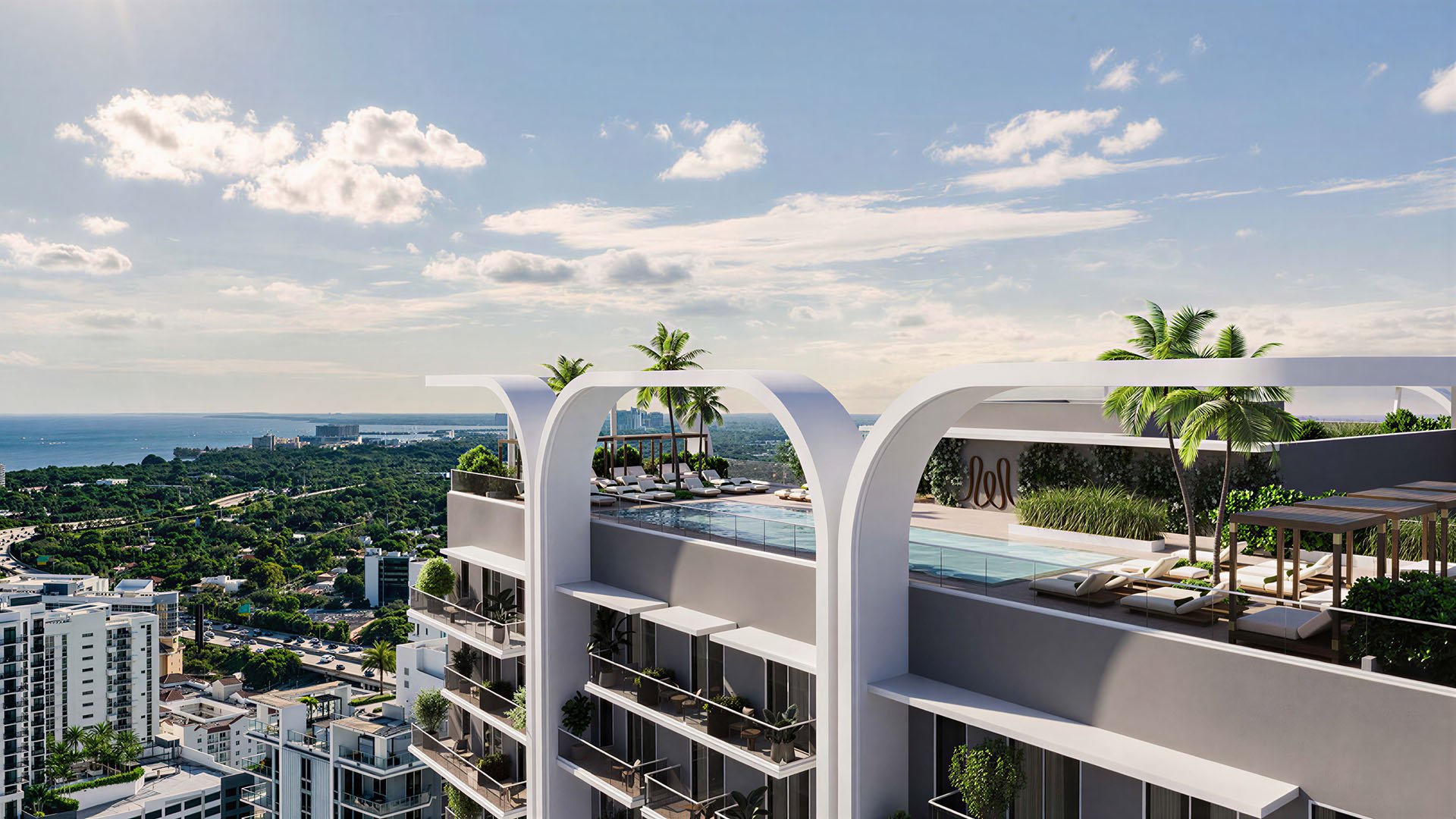
For the Brickell buyer, questions around wealth migration into South Florida are rarely abstract. They become practical quickly: Is demand durable? Will the neighborhood continue to attract serious capital? Is the right residence a primary home, a pied-à-terre, or a long-horizon investment? Most importantly, is the buyer choosing Brickell because it supports the life they are building, or because the market narrative feels persuasive?
That distinction matters. Wealth migration can create confidence, but confidence alone should not determine a purchase. A sophisticated buyer treats the conversation as one layer of due diligence, not as a directive. Brickell is most compelling when its rhythm, walkability, skyline, dining access, waterfront proximity, and professional energy align with the way an owner actually lives.
In that sense, this is a buyer’s guide topic as much as a market topic. The decision is not simply whether affluent buyers are looking at South Florida. The decision is whether Brickell offers the right combination of privacy, convenience, services, architecture, and resale logic for a particular household.
Brickell often appears early in the search because it offers an urban version of South Florida luxury. It is not a secluded estate market, and it is not a resort-only address. Its appeal lies in the ability to move between residence, restaurant, office, waterfront, and airport-bound logistics with relative ease.
For buyers arriving from larger financial and cultural centers, that density can feel familiar. For buyers already in South Florida, Brickell may represent a more vertical, service-oriented lifestyle than a single-family home. This is why project selection matters. A residence at 2200 Brickell may enter the conversation for one buyer, while another may compare the broader branded and high-service field through a project such as Cipriani Residences Brickell.
The question is not which building is most visible. It is which building best absorbs the owner’s routine. Some buyers prioritize arrival sequence and privacy. Others want hospitality, food and beverage identity, terrace scale, or a highly polished lock-and-leave format. Wealth migration can bring more attention to the district, but individual fit still determines whether a purchase feels intelligent five years later.
The phrase wealth migration can be seductive because it suggests inevitability. In reality, luxury buyers should separate attention from conviction. Attention can increase tours and conversation. Conviction is deeper. It appears when buyers understand why a specific building, line, exposure, and ownership structure support their life.
This is especially important in new construction. Pre-completion decisions require a buyer to evaluate more than renderings. The service model, developer positioning, residence mix, parking, views, outdoor space, and contract structure all deserve scrutiny. A polished sales gallery can communicate aspiration, but the long-term ownership experience is built from details.
Brickell’s newest residential offerings also reflect a broader appetite for branded residences and design-forward towers. For some buyers, St. Regis® Residences Brickell may be evaluated through the lens of service culture and residential prestige. For others, The Residences at 1428 Brickell may sit within a more architecture-led discussion. The important point is not to treat branding as a substitute for analysis. Brand can clarify an experience, but it does not remove the need to study the residence itself.
A Brickell purchase should begin with lifestyle, not with a forecast. Does the buyer want to be in the center of the city? Will they use restaurants, wellness spaces, lounges, pools, and valet services often enough for those amenities to matter? Do they prefer vertical convenience over a driveway, garden, or private dock? These are not secondary questions. They define whether the residence becomes a natural extension of the owner’s day.
The strongest Brickell buyers tend to be honest about tradeoffs. They understand that a tower residence can deliver remarkable ease, security, and views, while also requiring comfort with association governance, shared amenities, elevator life, and urban energy. That calculus is personal.
Projects such as ORA by Casa Tua Brickell may appeal to buyers who want a hospitality-inflected urban address, while other purchasers may prefer a quieter or more purely residential feel. Neither instinct is inherently better. The right answer depends on how much the buyer values social atmosphere, service identity, privacy, and simplicity.
Even without relying on specific figures, it is clear that the wealth migration conversation changes how buyers and sellers frame decisions. Buyers may feel urgency when they believe demand is broadening. Sellers may feel more confident if they believe the buyer pool is deeper. Developers may emphasize scarcity, design, and lifestyle to distinguish their projects.
A disciplined buyer does not ignore that psychology, but also does not surrender to it. The stronger approach is to anchor the purchase in fundamentals: irreplaceable view quality, floor height, floor plan efficiency, privacy, terrace usability, building operations, parking, service standards, and ease of future resale.
This is where advisory discipline matters. In a market shaped by capital movement, the buyer’s advantage is not speed alone. It is preparation. The best opportunities often make sense before urgency enters the room.
A buyer considering Brickell through the lens of wealth migration should ask a more precise set of questions. What is the intended hold period? Will the residence be used year-round or seasonally? Is rental flexibility important, or is privacy more valuable? Does the buyer want a finished, move-in-ready option, or is there comfort with a development timeline? What matters more: direct water views, skyline drama, building identity, or interior scale?
The answers narrow the field quickly. They also prevent the common mistake of treating Brickell as one uniform market. A waterfront-feeling residence, a centrally located urban tower, and a branded hospitality residence may all carry a Brickell address, but they can serve very different owners.
For South Florida’s ultra-premium buyer, wealth migration is best understood as context, not conclusion. It may explain why more sophisticated capital is considering the region, but it does not answer whether a specific residence is worth acquiring.
Brickell rewards clarity. The buyer who understands lifestyle, privacy, service expectations, and exit strategy can navigate the neighborhood with confidence. The buyer who relies only on momentum may confuse popularity with permanence.
The more elegant decision is to treat Brickell as a living environment first and an asset second. When both sides of that equation work, the purchase becomes more than a response to migration. It becomes a considered position in one of South Florida’s defining urban luxury districts.
Does wealth migration automatically make Brickell a better buy? No. It may support confidence in the area, but the right purchase still depends on building quality, lifestyle fit, and ownership goals.
Should I buy in Brickell because other wealthy buyers are moving to South Florida? That should never be the only reason. Use the trend as context, then evaluate whether Brickell suits your daily life and long-term plan.
Is Brickell better for primary residences or second homes? It can serve either purpose, depending on the buyer’s need for urban access, services, privacy, and ease of ownership.
Do branded residences deserve special attention in Brickell? They can, especially for buyers who value service identity and consistency, but the residence itself must still be carefully evaluated.
What matters most when comparing Brickell buildings? Focus on floor plan, views, privacy, service model, parking, amenity use, and how the building will feel over time.
Is new construction always the best path in Brickell? Not always. New construction can offer modern design and services, but timing, contract terms, and completion risk should be reviewed.
How should I think about resale before buying? Prioritize characteristics that remain desirable, such as views, efficient layouts, privacy, building reputation, and a clear buyer audience.
Can Brickell feel private despite being urban? Yes, if the building has thoughtful arrival, elevator, amenity, and residence design that supports discretion.
What is the biggest mistake buyers make in Brickell? Chasing market momentum without defining how they will actually use the residence.
Is Brickell still a lifestyle decision as much as an investment decision? Yes. The strongest purchase usually aligns both lifestyle pleasure and disciplined ownership logic.
If you'd like a private walkthrough and a curated shortlist, connect with MILLION.
If branded residences are on your mind — as a home or as an allocation — we would be glad to share what we are seeing, privately.
Begin a quiet conversation