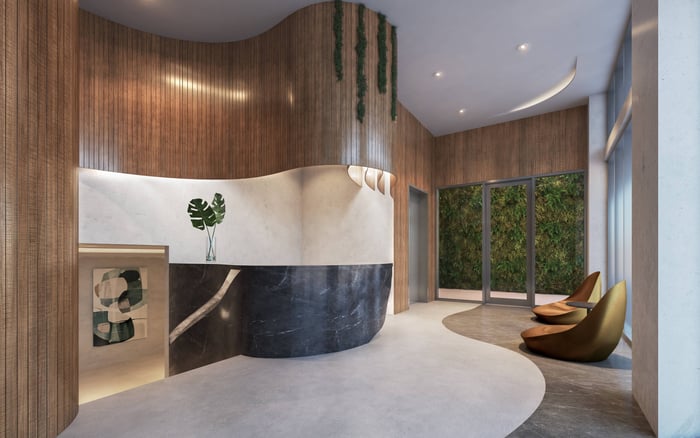
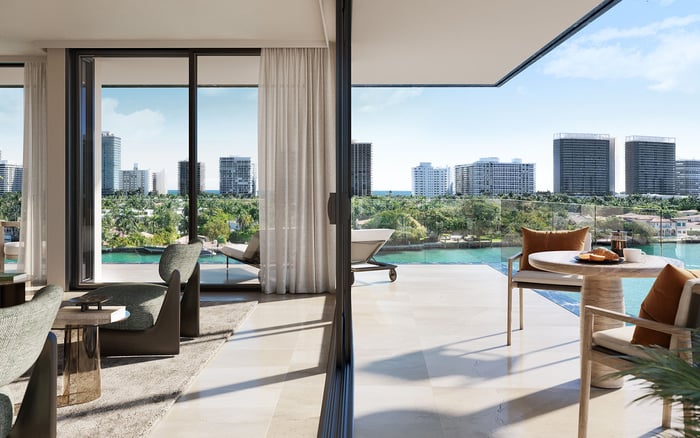
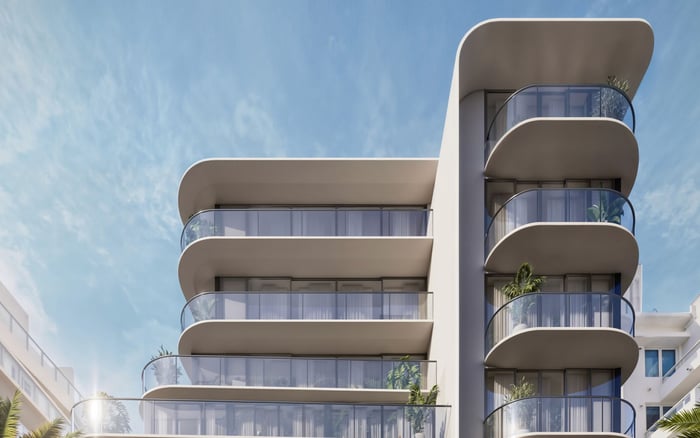
At Bay Harbor Towers, meaningful due diligence extends beyond finishes to the choreography of privacy, staffing, access, vehicle handling, and daily arrivals.
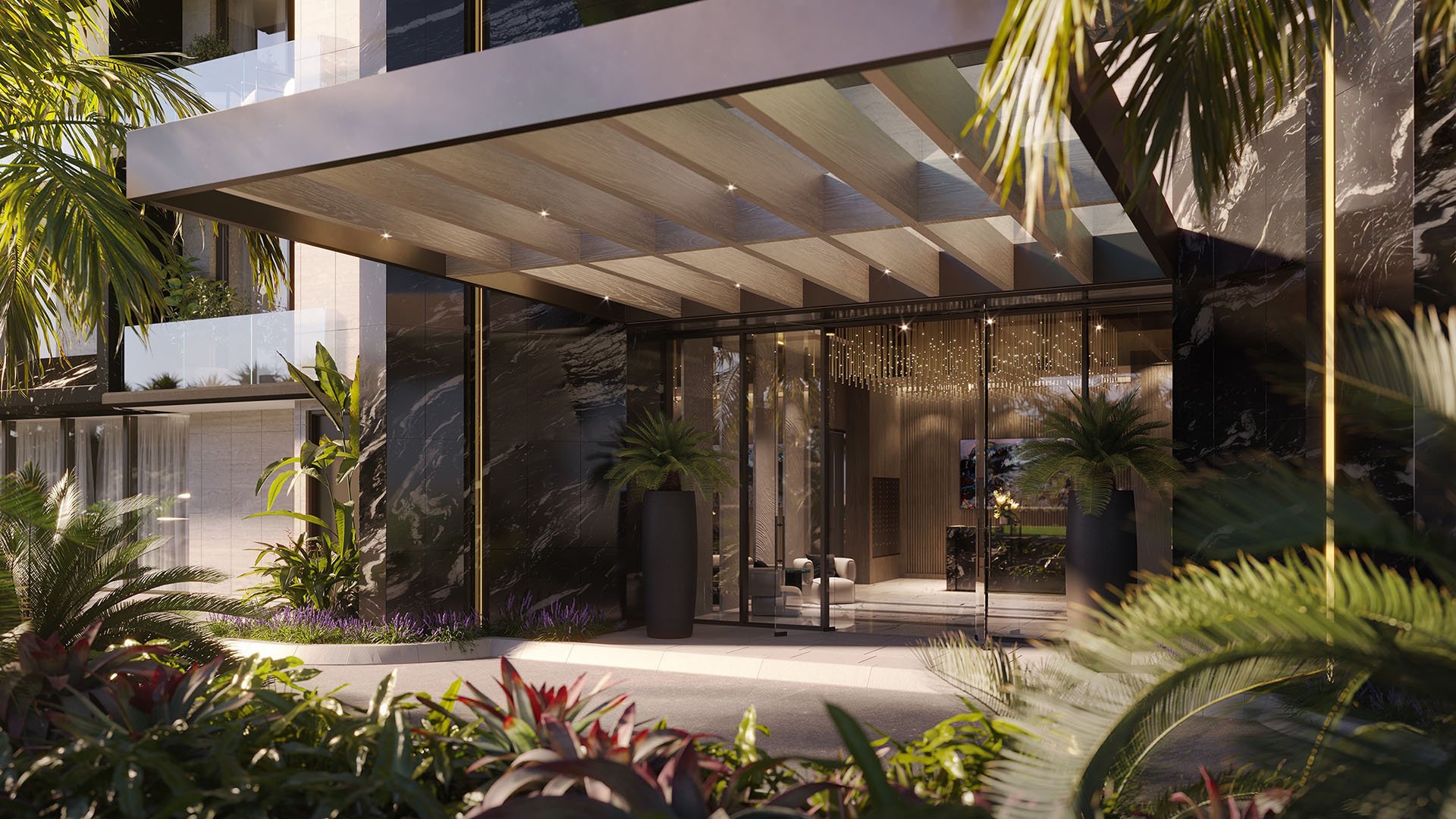
The most revealing tour of Bay Harbor Towers may be the one that gives the least attention to decorative finishes. For an exacting buyer, the more consequential questions concern movement: how a resident travels from the street to the residence, how visitors are admitted, how service personnel circulate, and how effectively the building limits unwanted exposure.
A smaller residential community can foster recognition and personal service, yet its compact operating scale may offer less staffing redundancy between shifts. Privacy and service should therefore be assessed as working systems, not marketing language.
Begin at the street, not the sales gallery. Follow the actual route through vehicle approach, drop-off, reception, security, elevator access, residential corridor, and front door. The strongest arrival sequence moves a resident swiftly from a public setting into a controlled interior, without needless waiting, visibility, or congestion.
At the porte cochère or drop-off, ask how valet queues are managed, how much covered space is available, and whether resident, guest, and service vehicles follow distinct paths. An entrance can be ceremonial, discreet, or both, but buyers should determine which experience best suits their routines. For a buyer arriving with family, drivers, or household staff, operational clarity is often more valuable than spectacle.
Privacy is not a single feature. It is the combined result of acoustic separation, controlled sightlines, physical access, digital security, and the ability to avoid unplanned encounters. In the lobby, stand where a visitor would sit. Note whether arriving residents or elevator doors are directly visible from outside. Listen for conversations at reception, and consider whether waiting areas create discretion or exposure.
Elevators warrant equal scrutiny. Buyers should examine access controls, anticipated wait times, the number of residents sharing the system, and the separation of passenger and service traffic. Repeated casual encounters may be welcome in a social building and undesirable in a highly private one. The judgment is personal, but the circulation pattern should be clear before purchase.
New-construction buyers comparing Alana Bay Harbor Islands with Onda Bay Harbor can apply the same threshold-by-threshold test without assuming that similar locations yield similar daily experiences.
A staffed desk does not, by itself, establish a high level of service. The resident experience depends on coordination among concierge, security, valet, and property management. Ask who owns a request from first contact through completion, which response standards apply, and how unresolved matters transfer between shifts.
Staffing questions should address daytime and overnight coverage, training, turnover, shift consistency, and backup plans for absences or peak demand. In a compact tower, one weak handoff can be felt immediately, particularly when arrivals, guest admissions, packages, and vehicle requests overlap.
Prospective residents can use The Well Bay Harbor Islands as another local point of comparison when asking how a building's promised lifestyle translates into operating roles. Nearby Bal Harbour, including Rivage Bal Harbour, may broaden the comparison set, but the useful exercise remains operational rather than aesthetic.
Request a precise explanation of how visitors are identified, announced, admitted, and restricted from residential floors. Then repeat the exercise for deliveries, contractors, household employees, vendors, move-ins, and oversized packages. Compact layouts demand disciplined routing; otherwise, multiple groups may converge at the same entrance or elevator bank.
Ask where service personnel wait, which elevator they use, and whether deliveries can occur without exposing residence numbers or resident routines. These details determine whether back-of-house activity remains truly behind the scenes.
Among practical buyer's guides, this is the distinction that matters most: service should feel present when requested and nearly invisible when it is not.
A midday appointment reveals only one version of a building. Return during an evening arrival period and, where access permits, observe another shift. Valet speed, lobby activity, elevator demand, and staffing consistency can change materially with traffic.
Before relying on representations, request current staffing schedules, access-control information, delivery and move-in rules, operating documents, and association budgets. Read them together. A service promise is more credible when personnel, procedures, technology, and financial planning support the same experience.
The central question is not whether Bay Harbor Towers presents beautifully. It is whether the building's circulation, staffing, and controls align with the buyer's preferred level of discretion. Trace ordinary scenarios: a late return, an announced guest, a grocery delivery, a contractor visit, and a simultaneous vehicle arrival. Luxury becomes convincing when each feels controlled, calm, and repeatable.
What is the first arrival detail a buyer should inspect? Begin with the vehicle approach and trace every threshold through the residence door.
Why does valet queue capacity matter? Insufficient capacity can create waiting, congestion, and greater exposure during busy periods.
How should lobby privacy be tested? Examine exterior sightlines, elevator visibility, seating placement, crowding, and acoustics.
What should buyers ask about guest access? Ask how guests are identified, announced, admitted, escorted, and limited by floor.
Why are elevator arrangements important? Wait times, access controls, resident density, and service separation shape daily privacy.
Does a smaller building guarantee personal service? No. It may encourage familiarity, but buyers should verify staffing depth and backup coverage.
Which staffing details deserve review? Review shift coverage, overnight presence, training, turnover, and response standards.
How should deliveries and contractors be handled? They should follow controlled routes that minimize overlap with residents and guests.
When should a buyer visit the building? Visit during contrasting shifts and traffic periods to assess consistency under real demand.
Which documents can support due diligence? Request operating rules, staffing schedules, access details, delivery policies, and budgets.
If you'd like a private walkthrough and a curated shortlist, connect with MILLION.
If branded residences are on your mind — as a home or as an allocation — we would be glad to share what we are seeing, privately.
Begin a quiet conversation