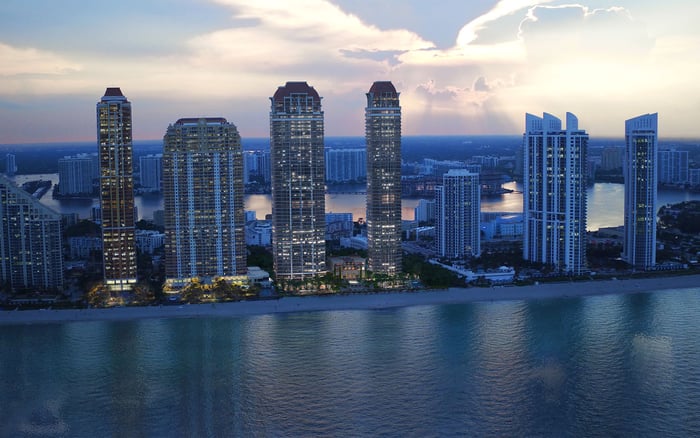
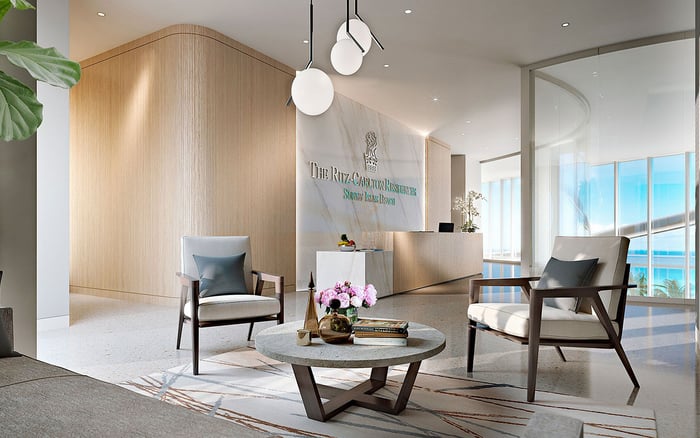
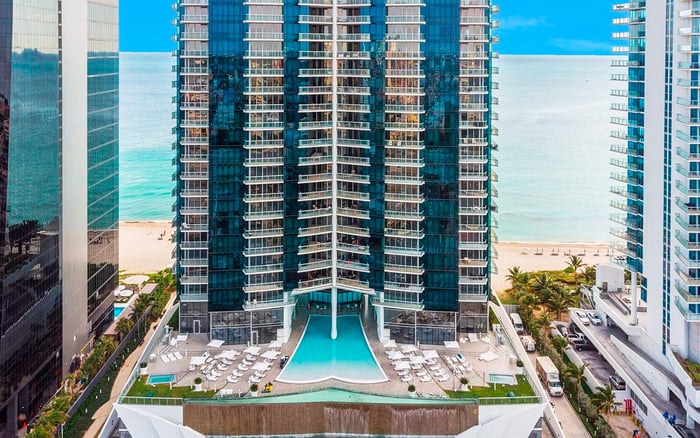
A buyer-focused look at Armani Casa Sunny Isles Beach as an oceanfront, lock-and-leave residence for seasonal owners who value secure vacancy, predictable upkeep, and a home that feels prepared on arrival.
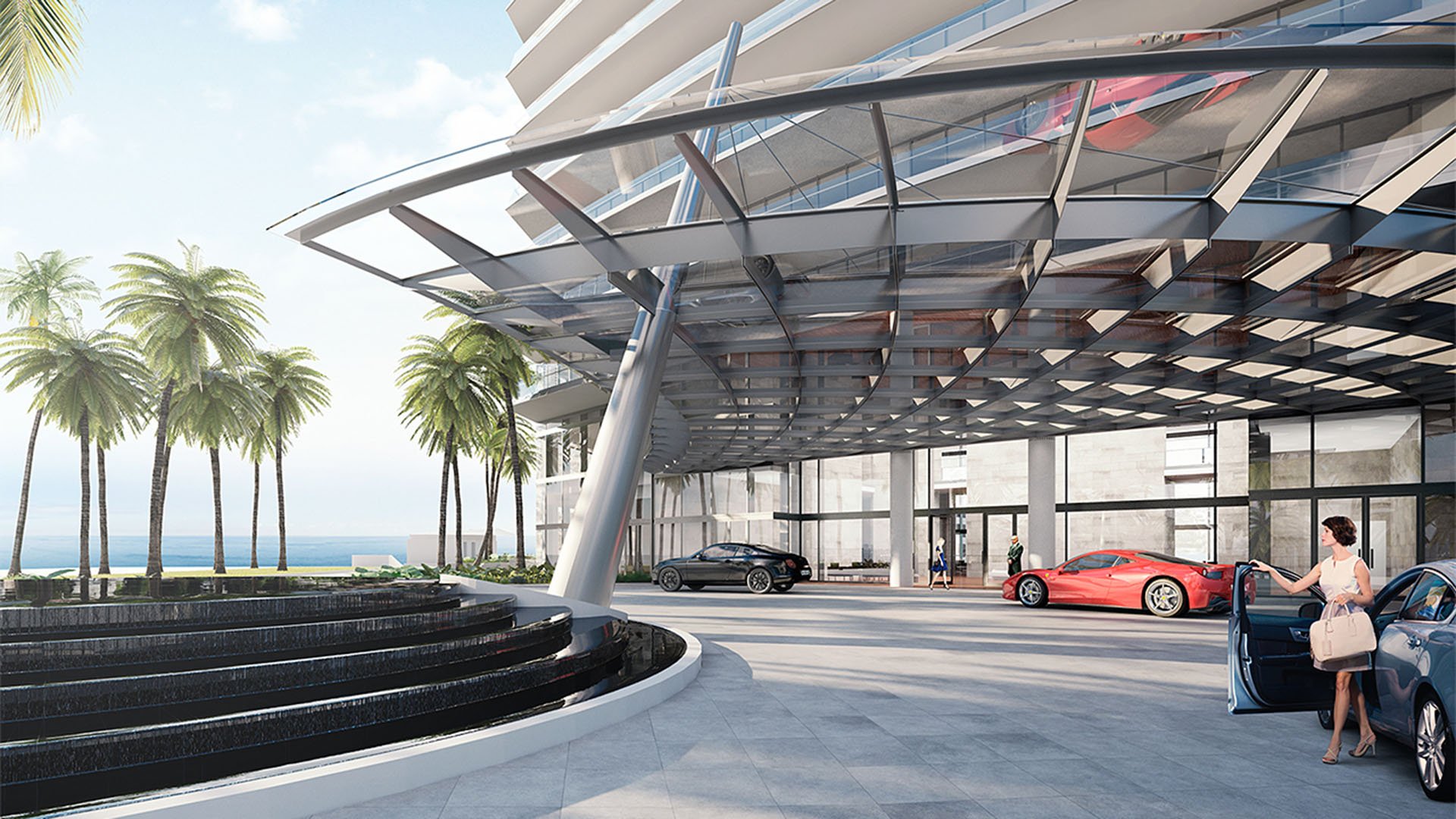
For many South Florida buyers, the most persuasive luxury is not excess. It is confidence. The seasonal owner wants to leave for weeks or months, return without friction, and find the residence secure, orderly, and ready to use. That is the lens through which Armani Casa Sunny Isles Beach is most compelling: an oceanfront condominium shaped by branded design, but also by the practical expectations of owners who may not live in the building every day.
The Residences by Armani/Casa occupies a familiar position in the Sunny Isles Beach market, where oceanfront condominium living has long appealed to international and multi-home buyers. The Armani name gives the property a global design signal, recognizable to buyers who understand the brand across fashion, hospitality, and interiors. Yet for a seasonal owner, the more important question is operational: will the home feel simple to own between visits?
That question reframes the purchase. Finishes and views may create the first impression, but low-maintenance ownership sustains the experience. A lock-and-leave residence should reduce the small burdens that accumulate when a home is vacant: access concerns, common-area management, coordination of routine needs, and the transition from airport arrival to private residence.
A true lock-and-leave condominium is not defined by a single feature. It is the combination of physical design, building management, access control, and service support. For the owner, the practical benefit is not that every responsibility disappears. It is that the building is organized to make absence less complicated and return more graceful.
This matters because seasonal ownership depends on small handoffs. A residence may require maintenance coordination, staff interaction, guest access planning, or simple arrival support. In a conventional condominium, those tasks can feel fragmented. In a higher-touch residential environment, the experience is more centralized, with building operations and staff support becoming part of the ownership proposition.
This is where the language of branded residences becomes practical rather than decorative. Branding can imply a design standard, but the deeper appeal is consistency. Buyers are not only purchasing a private apartment. They are buying into a managed residential context that should feel predictable from one visit to the next.
Sunny Isles Beach is especially suited to seasonal use because it is already an established oceanfront condominium market for buyers who divide time across cities, countries, and family bases. The rhythm of the area supports that pattern. Owners arrive for winter stays, school breaks, extended weekends, and family gatherings, then leave with the expectation that the building continues to function professionally in their absence.
That is why the Sunny Isles conversation often centers on service-oriented, design-conscious residential living. Buyers comparing the broader corridor may also study Bentley Residences Sunny Isles, St. Regis® Residences Sunny Isles, and The Ritz-Carlton Residences® Sunny Isles to understand how branded and service-led ownership is being interpreted along the coastline.
Armani/Casa’s distinction is its design identity: restrained, polished, and internationally legible. For buyers who already associate Armani with a certain visual discipline, the residence offers an aesthetic vocabulary that travels well. It can feel familiar to a European owner, a Latin American family, a New York buyer, or a resident with homes in multiple global cities.
For absent owners, security is not an abstract amenity. It is the foundation of the ownership model. A seasonal residence must inspire confidence that access, common areas, and daily building operations are professionally controlled. The owner may be an ocean away. The building must still feel accountable.
That does not require overcomplicating the promise. The essential lock-and-leave value is direct: secure vacancy, simplified departures, and a residence that can be made ready when the owner returns. The less an owner must personally supervise between visits, the more useful the property becomes as a second home.
This is also where asset preservation enters the conversation. A luxury condominium is often discussed as a lifestyle purchase, but for many families it is also a store of wealth, a long-term family base, and a form of portfolio diversification. The fewer avoidable ownership frictions, the easier it is to hold and use the property with discipline over time.
For the Second-home buyer, the right questions are rarely theatrical. They are practical and specific. How does the building handle access? How are routine maintenance issues communicated? What staff support is available for owners who are not in residence? How smooth is the arrival process after a long flight? How much hands-on coordination is expected from the owner?
These questions do not diminish the luxury. They define it. A residence that looks exquisite but requires constant oversight may not serve a seasonal household well. By contrast, a residence that pairs design with professional building operations can feel more valuable each time the owner returns.
Move-In Ready appeal, in this context, is not merely about furniture or finishes. It is about emotional readiness. The owner wants to open the door and feel that the home has been waiting correctly. That sense of order is one of the quietest luxuries in South Florida real estate.
Investment should be understood carefully in the context of a personal-use luxury residence. Armani/Casa is not simply a financial instrument, and no buyer should reduce an oceanfront home to a spreadsheet. Still, wealthy buyers often think in layers: family use, wealth storage, global mobility, brand familiarity, and long-term optionality.
A lock-and-leave condominium can serve those layers because it supports intermittent occupancy. The home can be used intensely during preferred seasons, then held with less daily intervention during periods of absence. For international and multi-home owners, that balance is central to the decision.
The most successful purchase is one where the lifestyle and the operating model agree. Armani/Casa’s appeal is not only that it looks refined. It is that the property’s positioning supports the way many Sunny Isles owners actually live: present for meaningful intervals, absent for long stretches, and always expecting the residence to remain composed.
What makes Armani/Casa relevant for lock-and-leave ownership? Its appeal centers on branded design combined with the practical needs of seasonal owners, including security, service support, and arrival readiness.
Is Armani Casa Sunny Isles Beach only for full-time residents? No. Its positioning is especially relevant to owners who occupy seasonally and may be away for weeks or months at a time.
Why does Sunny Isles Beach suit seasonal buyers? Sunny Isles Beach is an established oceanfront condominium market for buyers who split time across multiple cities or countries.
Does the Armani brand matter beyond interiors? Yes. The brand signals a design standard familiar to global buyers who already understand Armani across luxury categories.
What should absent owners prioritize most? They should prioritize secure vacancy, professionally controlled access, responsive building operations, and simplified arrivals and departures.
Is lock-and-leave the same as maintenance-free? No. It means ownership is made more predictable through building management, access control, and service coordination.
Can this type of residence support family use? Yes. A seasonal condominium can function as a family base for holidays, extended stays, and recurring South Florida visits.
How should buyers compare Armani/Casa with other Sunny Isles projects? Buyers should compare design identity, building operations, service culture, access control, and the ease of returning after absence.
Is this an Investment as well as a lifestyle purchase? It can be viewed as both, especially for buyers considering family use, wealth storage, and portfolio diversification.
What is the main takeaway for seasonal owners? Armani/Casa is strongest when understood as branded design paired with operational convenience for owners who do not live there daily.
To compare the best-fit options with clarity, connect with MILLION.
If branded residences are on your mind — as a home or as an allocation — we would be glad to share what we are seeing, privately.
Begin a quiet conversation