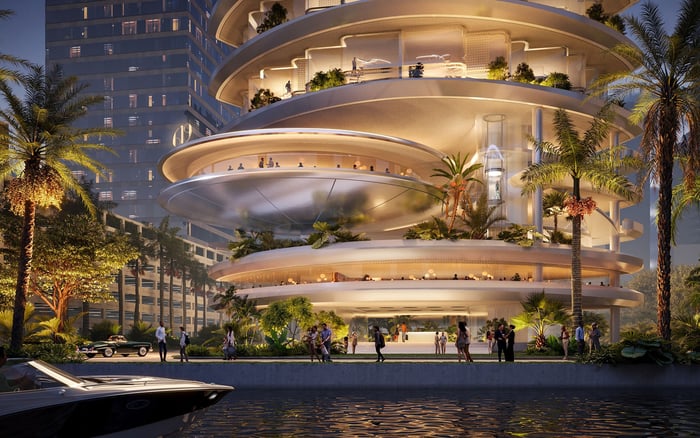
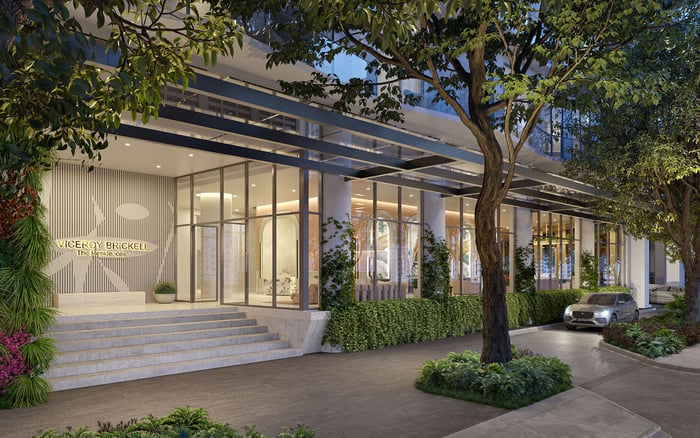
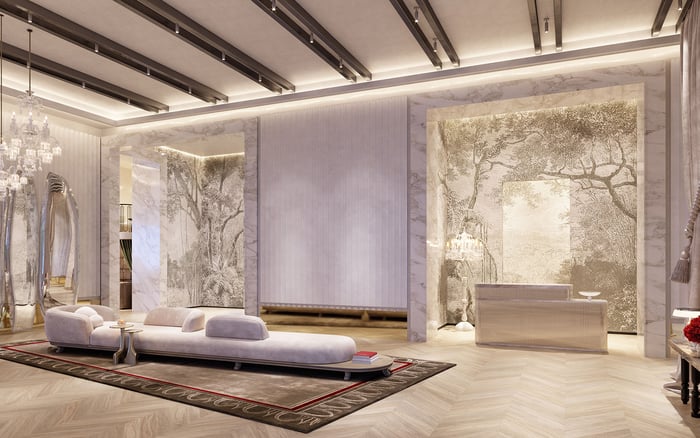
A discreet buyer guide to planning extended family stays at 619 Residences by Foster + Partners + Nobu Hospitality, with emphasis on privacy, service rhythm, guest circulation, and the practical details that protect a primary residence from feeling like a hotel.
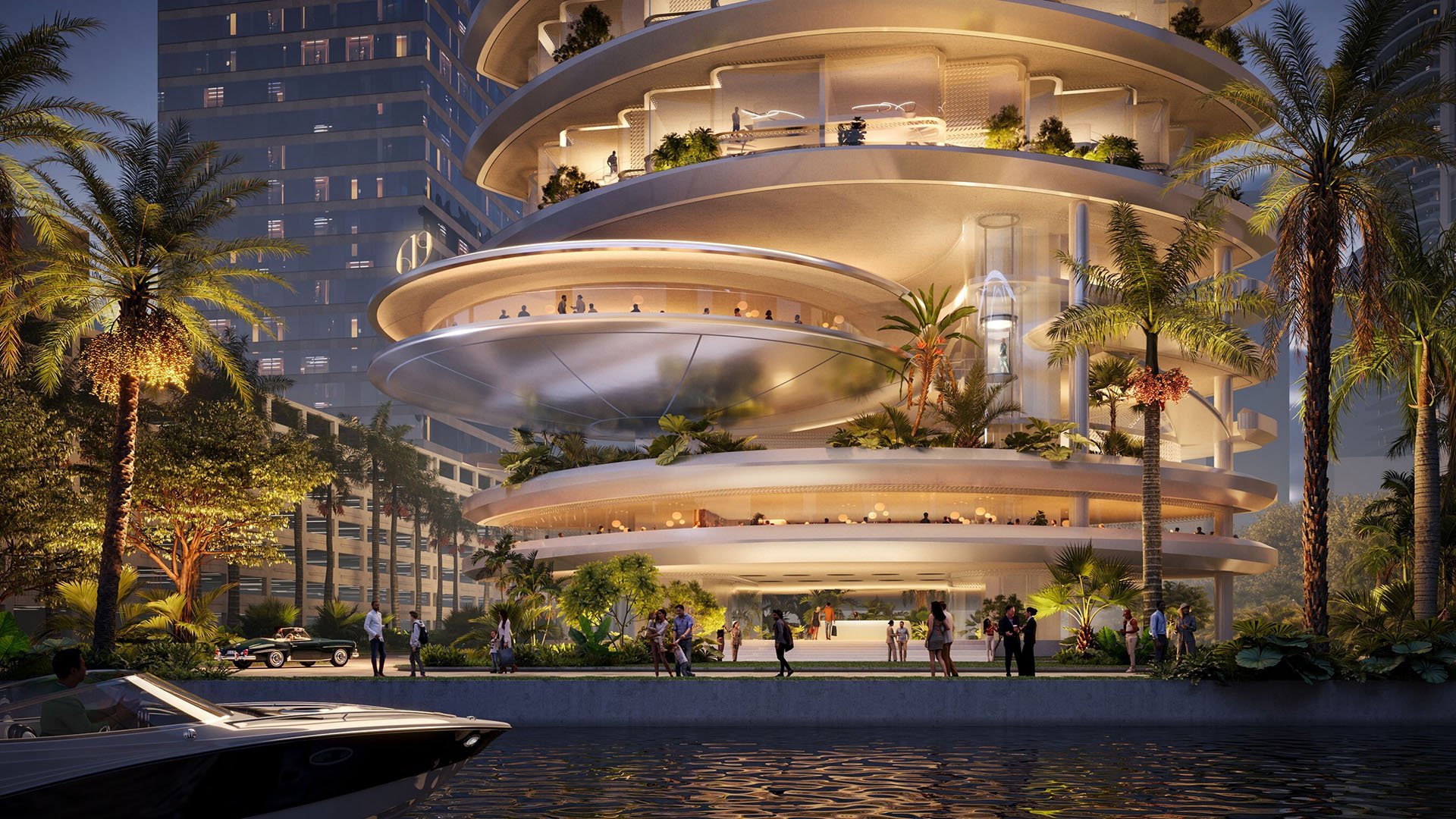
For many South Florida buyers, the most revealing test of a residence is not the cocktail party. It is the ten-day family stay. Parents arrive for the season, adult children overlap with school breaks, friends extend a long weekend, and the home must absorb everyone without losing the calm that made it desirable.
That is the strategic lens for 619 Residences by Foster + Partners + Nobu Hospitality. With Foster + Partners and Nobu Hospitality in the project name, the conversation naturally turns to the meeting point of architecture, service, and private ritual. Sophisticated buyers will not simply ask whether guests can be accommodated. They will ask whether hospitality can be choreographed so the residence still behaves like a sanctuary.
In Brickell, a residence may function as a primary home, seasonal base, and family gathering point at once. Guest strategy is not a decorative afterthought. It is a core ownership discipline.
Bedroom count is the easiest metric to discuss and the least complete. The sharper question is how the home separates sleep, work, dining, storage, and quiet recovery. Extended family stays succeed when guests have a gracious place to land without occupying the owner’s daily zones from morning to night.
Buyers should think in gradients of access. Immediate family may be comfortable using the kitchen, laundry areas, terraces, and media spaces freely. More occasional guests may require a different rhythm: a clear suite, a defined bathroom, and easy access to common areas without crossing the most private rooms. If household staff, wellness providers, tutors, drivers, or chefs are part of the routine, the plan should also preserve dignity and discretion for everyone moving through the residence.
This is where Design & Architecture becomes more than aesthetics. Door placement, corridor width, acoustic separation, elevator arrival, powder room access, and the relationship between guest suites and the main bedroom all shape how a home feels under pressure. A beautiful plan that forces every guest through the owner’s quiet zone will not age well.
Branded Residences can raise expectations around service, but extended family stays require boundaries as much as generosity. Owners should decide in advance which services are for the household, which are for guests, and which require approval. The goal is not restriction. It is clarity.
A guest might enjoy restaurant reservations, arrival coordination, housekeeping support, or wellness bookings, but the owner should not become an informal concierge for every request. The residence works best when the family has a simple protocol: who communicates, who approves charges, who handles transportation, and which areas remain private.
This thinking applies across Brickell’s luxury corridor. At 888 Brickell by Dolce & Gabbana, buyers drawn to fashion-led branding may still need the same practical guest rules. At Cipriani Residences Brickell, hospitality language may feel especially intuitive, yet the private residence still needs its own household code. The brand can enrich the experience, but the owner’s structure protects it.
Every extended stay begins before the front door. The arrival sequence should be treated like a private performance: luggage, keys or access permissions, elevator timing, groceries, flowers, child seats, pet needs, and the first meal. When these details are unresolved, even an exceptional residence can feel improvised.
For a Brickell household, the arrival calendar should include airport transfers, building access, parking expectations, and the timing of household preparation. If children or older relatives are arriving, the plan should account for rest, snacks, medications, and accessible storage immediately upon entry. If guests are arriving from different time zones, the first evening should be intentionally simple.
New-construction buyers should pressure-test these scenarios before purchase. Where does luggage wait if multiple guests arrive? Can groceries be staged without taking over the main kitchen? Is there a place for strollers, golf bags, garment bags, gifts, or seasonal clothing? Is there enough visual order for the home to remain composed after a busy arrival day?
Nobu Hospitality in the title invites a natural focus on dining culture, but the most important guest strategy is not only where to eat. It is how the household decides when to dine together and when to give everyone space.
Extended stays can become emotionally dense. Breakfast may be informal, lunch may be scattered, and dinner may carry the weight of family ritual. Owners should plan for both intimacy and release: one proper dinner, one casual night, one evening out, and enough unscheduled time that guests do not feel managed.
The residence should support multiple dining modes. A formal table may host a holiday meal, while a terrace, kitchen counter, or lounge may carry the quieter moments. In a high-service setting, it is tempting to overproduce every experience. The better approach is edited generosity. Let the home breathe.
A Second-home or seasonal residence often becomes the preferred family meeting place because it feels effortless to everyone except the owner. That imbalance can quietly erode the pleasure of ownership. The most successful hosts protect their own routine early and without apology.
This begins with private time. Owners should preserve a morning ritual, a workspace, a wellness schedule, and at least one room where guests do not drift casually. The more beautiful the residence, the more likely guests are to treat every area as communal. A clear household rhythm keeps warmth from becoming intrusion.
Projects such as The Residences at 1428 Brickell and The Residences at Mandarin Oriental, Miami appeal to buyers who think carefully about privacy, service, and urban convenience. The same planning lens applies at 619 Residences: a refined building can support hospitality, but a refined owner defines the terms.
Lifestyle is often discussed through amenities, but for extended family stays it is more useful to map the week. Who needs a gym in the morning? Who wants a pool day? Who will work remotely? Who prefers quiet reading? Who needs children entertained without making the residence feel like a playroom?
The best guest strategy treats the building and neighborhood as extensions of the home. In Brickell, owners can plan days around dining, waterfront walks, shopping, wellness, and cultural outings without turning the apartment into the only stage. This is especially important for multigenerational stays, where not every guest wants the same tempo.
A well-planned week might alternate family meals with independent afternoons. It might pair a grandparents’ quiet morning with a younger guest’s fitness routine. It might reserve one evening for a larger dinner and another for privacy. Luxury is not constant togetherness. Luxury is the freedom to choose the right degree of proximity.
Before committing to a residence, buyers should imagine a peak occupancy week and walk through it hour by hour. The strongest homes reveal themselves under this exercise. They have places for retreat, intuitive circulation, practical storage, and enough acoustic separation for the household to operate at different speeds.
Ask how guests enter, where they sleep, where they unpack, where they take calls, where they wait before dinner, and how they leave without disrupting the household. Ask whether the main suite remains genuinely private. Ask whether service access supports the owner’s expectations. Ask whether the residence feels graceful when it is full.
For 619 Residences, the strategic opportunity is to align architectural discipline with hospitality intelligence. The buyer who plans well can create a home that welcomes extended family with warmth while preserving the serenity, discretion, and control that define true luxury ownership in South Florida.
Why is guest strategy important for 619 Residences? Extended family stays can change how a residence functions. Planning ahead helps preserve privacy, service flow, and daily comfort.
Should buyers focus first on the number of bedrooms? Bedrooms matter, but circulation, storage, acoustics, and privacy are equally important for longer visits.
How does Brickell influence guest planning? Brickell’s urban setting can support frequent visits and varied schedules, so arrival planning and privacy boundaries are important.
What makes Branded Residences different for hosting? Branded Residences may create elevated service expectations, which makes household rules and approval protocols especially useful.
How can owners protect their privacy during family stays? They should define private rooms, preserve personal routines, and clarify how guests use shared spaces.
What should be planned before guests arrive? Access, luggage, transportation, groceries, dining plans, and quiet recovery time should be arranged in advance.
Is a Second-home harder to manage with extended family? It can be, because guests may treat it as a natural gathering place. Clear expectations keep the experience enjoyable.
How should dining be approached during longer visits? Mix formal meals with casual evenings and independent time so the stay feels generous rather than overmanaged.
What should New-construction buyers test before purchase? They should test peak occupancy scenarios, including luggage, remote work, family meals, and private retreat space.
What is the ideal outcome of a guest strategy? The home should feel welcoming when full and serene when quiet, without forcing the owner to sacrifice control.
For a discreet conversation and a curated building-by-building shortlist, connect with MILLION.
If branded residences are on your mind — as a home or as an allocation — we would be glad to share what we are seeing, privately.
Begin a quiet conversation