A disciplined framework for evaluating insurance, flood exposure, deductibles, building obligations, privacy preferences, and daily-life priorities before buying in North Bay Village.
The purchase price and stated monthly charges are only the opening figures when evaluating a North Bay Village residence. A disciplined review should place insurance, flood-related obligations, deductibles, reserves, possible assessments, and owner-specific coverage within a single carrying-cost model.
The useful question is not simply, “What is the premium?” It is, “What combination of recurring expense and retained risk am I accepting?” Two similarly priced residences may deliver different ownership experiences if their buildings, policies, deductibles, or reserve strategies differ.
For a second home, account for periods when the residence is unoccupied, the cost of oversight, and any coverage conditions that may affect a vacant or seasonally used property. For an investment purchase, model a conservative holding period rather than assuming every cost can be transferred to a tenant or future buyer.
Condominium buyers should examine the building’s insurance program alongside the policy contemplated for the individual residence. Request complete policy summaries, declarations, deductible schedules, exclusions, renewal information, and a clear explanation of which components fall to the association or owner after a covered event.
Ask the insurance adviser to translate every deductible into a dollar scenario. If a deductible is percentage-based, identify the value to which the percentage applies and how an association-level amount could be allocated. Then model multiple event scenarios, including the possibility that an owner-policy deductible and an association obligation arise at the same time.
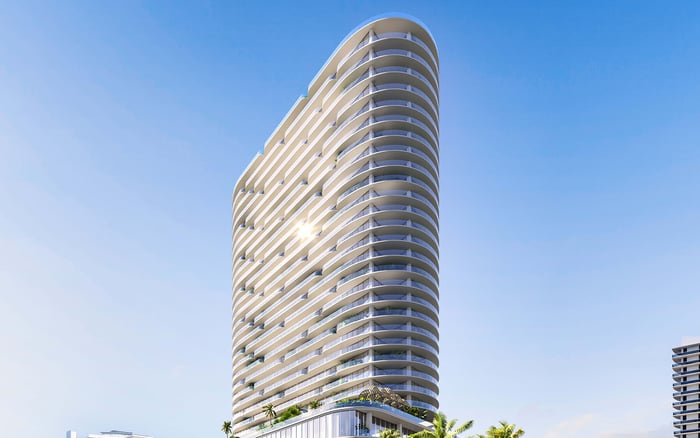
Apply this review consistently when considering Continuum Club & Residences North Bay Village and other inventory. The objective is not to presume that one structure is superior, but to obtain comparable documentation and place each option on the same financial worksheet.
A flood-zone label should begin the inquiry, not conclude it. Buyers should verify the designation applicable to the specific parcel and residence, confirm lender requirements if financing is involved, and obtain an insurance quotation tailored to the intended ownership structure. Elevation, parking, storage, mechanical systems, access routes, and recovery planning also warrant direct questions.
For a waterfront residence, lifestyle appeal and operational resilience belong in the same conversation. Ask how residents enter and leave the property during severe weather, where vehicles are positioned, how essential systems are protected, and what building communications are expected before and after an event. These questions should be posed when reviewing Shoma Bay North Bay Village or any resale alternative; marketing materials should not be presumed to answer insurance or flood matters.
A lender’s requirement and an owner’s preferred risk protection may not be identical. Even a cash buyer should seek independent insurance guidance, because the absence of financing does not eliminate potential exposure.
Premiums are visible annual expenses. Deductibles are contingent obligations, but they can matter just as much to an owner’s liquidity plan. Request a schedule showing wind, hurricane, flood, water, and other relevant deductibles, with each expressed as a dollar amount under clearly stated assumptions.
Next, ask how an association would handle a deductible or uninsured expense. The answer may involve governing documents, board decisions, available reserves, insurance proceeds, or assessments; legal and financial advisers should therefore review the actual materials. Do not treat a healthy-looking monthly budget as proof that every event is already funded.
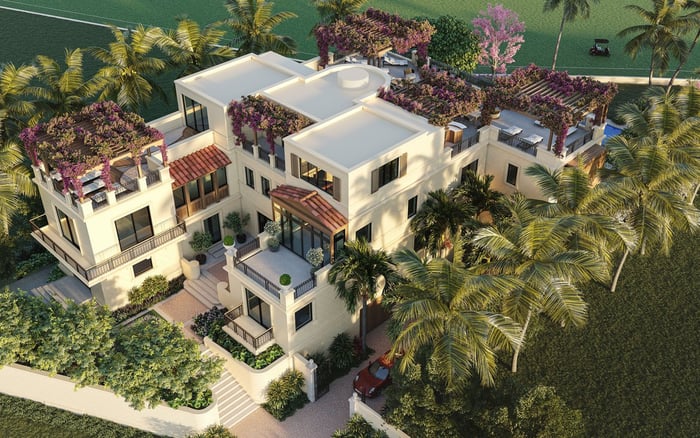
When considering Tula Residences North Bay Village, review insurance and operating assumptions again before closing. Early estimates are planning tools; the eventual ownership decision should rest on current documents, quotations, and applicable building arrangements.
Privacy is not merely a matter of floor height or view orientation. It is shaped by the arrival sequence, elevator circulation, service access, guest procedures, staffing, deliveries, amenity traffic, and the relationship between residential and public areas. A buyer who values discretion should walk the entire route from vehicle arrival to front door, then test how visitors, household staff, contractors, and deliveries would move through the property.
Insurance and privacy can intersect after a loss. Ask how the building coordinates inspections, repairs, contractor access, resident communications, and temporary closures. An elegant residence may feel less private if routine service movement is highly visible or repairs require repeated entry through principal living areas.
Consider practical details inside the home as well. A balcony may enhance daily life, but its orientation, adjacency, maintenance access, and exposure should be evaluated rather than inferred. Whenever possible, compare the residence in person at different times.
Lifestyle fit turns a spreadsheet into a personal decision. A boating household may prioritize marina access, while a frequent traveler may value efficient arrivals and reliable property management. A family may focus on guest flow and storage; a seasonal owner may give greater weight to lock-and-leave procedures and remote oversight.
North Bay Village can also be weighed against options elsewhere in South Florida. For example, La Baia North Bay Harbor Islands can serve as a comparison point when testing location, building scale, access patterns, and ownership costs. The purpose is not to choose by neighborhood name alone, but to determine which residence best aligns cost, discretion, and daily rhythm.
Use side-by-side decision-making: one column for verified annual costs, one for contingent exposure, one for privacy, and one for lifestyle priorities. Require written answers where possible, and have insurance, legal, tax, and financial professionals assess the documents relevant to the specific purchase.
Before signing, obtain current association financials, budgets, reserve information, insurance materials, deductible schedules, governing documents, and any available notices concerning assessments or major work. Pair those records with property-specific insurance quotations and a written explanation of owner responsibilities.
Build three projections: an ordinary year, a higher-cost renewal year, and an event year involving deductibles or an assessment. Then determine whether each scenario remains comfortable without compromising how the residence is intended to be enjoyed. The right fit should withstand both financial scrutiny and the realities of arrival, security, service, guests, weather preparation, and time away.
Does a flood-zone designation determine the entire ownership cost? No. It is one input to consider alongside insurance quotations, lender terms, building obligations, reserves, and owner-specific coverage.
Should a cash buyer still review flood insurance? Yes. A cash purchase may remove a lender requirement, but it does not resolve the owner’s risk-management needs.
Why convert percentage deductibles into dollars? A dollar illustration makes contingent exposure easier to compare across policies, buildings, and purchase options.
Can the association’s policy replace an owner’s policy? Buyers should not assume so. Ask advisers to identify what each policy covers and where responsibility shifts to the owner.
How can insurance affect monthly carrying costs? Building premiums may influence association budgets, while the owner’s policy remains a separate household expense.
What documents deserve review before a condominium purchase? Request insurance materials, budgets, financials, reserve information, deductible schedules, governing documents, and relevant assessment notices.
How does privacy enter insurance diligence? Post-event inspections, repairs, contractor movement, and access procedures can affect discretion and day-to-day comfort.
What should a seasonal owner model? Include oversight, owner coverage, association charges, potential deductibles, remote access, and procedures during extended absences.
Is the lowest premium always the best result? Not necessarily. Compare coverage, exclusions, deductibles, limits, responsibilities, and personal liquidity with qualified advisers.
When should insurance quotations be refreshed? Refresh them near the purchase decision and again if the property, financing, occupancy plan, or available policy terms change.
To compare the best-fit options with clarity, connect with MILLION.
If branded residences are on your mind — as a home or as an allocation — we would be glad to share what we are seeing, privately.
Begin a quiet conversation