A discreet buyer’s framework for evaluating insurance structure, flood-zone context, deductibles, condominium governance, privacy preferences, and lifestyle fit in Bay Harbor Islands.

For a Bay Harbor Islands buyer, the essential question is not simply what a residence costs to acquire. It is what the home requires to own comfortably, protect thoughtfully, and enjoy without unwelcome friction. Wind insurance, flood-zone context, and deductibles belong in that broader calculation, alongside property taxes, association charges, reserve contributions, assessments, maintenance, and personal coverage.
These variables are not interchangeable. A premium is a recurring expense. A deductible is the portion of a loss the owner or association may have to absorb before applicable coverage responds. Flood-zone information is one element of a wider review encompassing the building, the specific residence, parking, storage, mechanical systems, and access.
The most useful approach is property-specific. Request current documents, establish which risks belong to the association and which remain with the owner, and have qualified insurance, legal, lending, and inspection professionals interpret the details before commitment.
A polished condominium may involve several layers of protection. Buyers should establish what the association’s policy is intended to cover, what it excludes, and where an individual unit-owner policy begins. The review should address interiors, improvements, furnishings, personal property, temporary relocation, liability, and loss assessments-without assuming one policy fills every gap.
Request declarations pages, coverage summaries, deductible schedules, renewal information, and any notices relevant to the current policy period. Then compare those materials with the condominium documents and the residence’s finish level. Bespoke millwork, integrated lighting, custom stone, art, wine storage, and collectible furnishings may warrant a more tailored discussion than a standard interior.
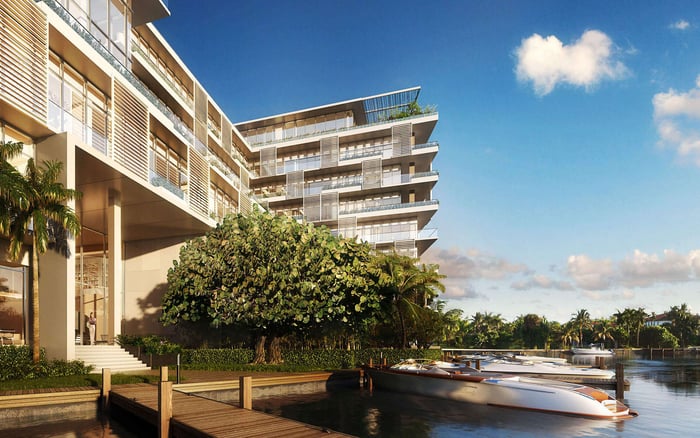
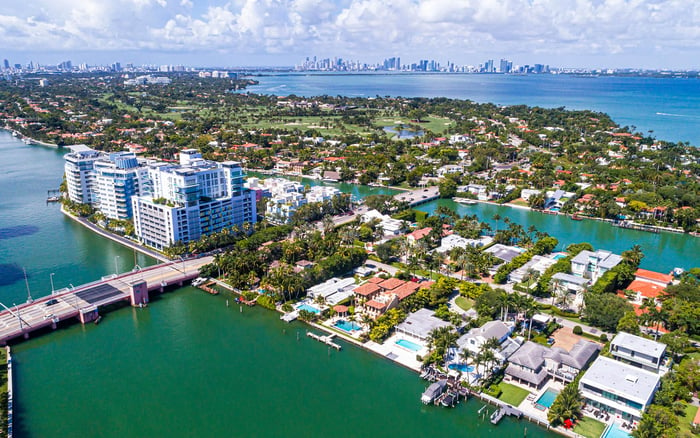
When considering Alana Bay Harbor Islands or Bay Harbor Towers, treat the project pages as starting points for discovery-not substitutes for current insurance documents or professional review.
A low quoted premium does not, by itself, establish a low-risk ownership profile. The deductible structure can materially alter the amount that may need to be funded after a covered event. Buyers should confirm whether each relevant deductible is expressed as a fixed amount, a percentage, or another formula, then identify the value to which any percentage applies.
In a condominium, allocation is the next question. If the association incurs an uninsured or deductible amount, how could that obligation reach owners under the governing documents? Could reserves address it? Might an assessment be considered? Could responsibility depend on the location and cause of the damage? These are questions for the documents, not matters for assumption.
A prudent private balance sheet can model three scenarios: ordinary annual ownership; a year with higher insurance expense; and a year in which both an owner-level deductible and an association-related obligation arise. This is not a forecast. It is a liquidity test designed to preserve choice.
Flood-zone terminology should begin the review, not conclude it. Confirm the designation applicable to the property and ask qualified professionals what it means for insurance, financing, and the buyer’s intended use. Then examine the physical arrangement: residence elevation, garage or parking location, storage, elevators, electrical and mechanical equipment, entry sequence, and routes used during severe weather.
The distinction matters because lifestyle disruption may extend beyond the home’s interior. A residence could remain protected while access, parking, building systems, or common areas require attention. Buyers considering La Maré Bay Harbor Islands can make the exercise practical by tracing a typical arrival from vehicle or dock to front door and asking how that route is managed during adverse conditions.
Flood review should also reflect the ownership plan. A primary residence, seasonal retreat, and frequently vacant second home can create different preferences for monitoring, staffing, remote alerts, valuables management, and post-event access.
Privacy in luxury real estate is often framed through architecture, views, arrival, and residence count. Insurance and resilience introduce a quieter dimension: how many parties may require access before or after an incident, who can authorize entry, how vendors are supervised, and how owner information is handled during claims or repairs.
Review management protocols for emergency entry, water detection, key custody, contractor access, deliveries, and communications. Ask whether owners can appoint a representative and how the building coordinates inspections while a residence is unoccupied. The answers may be especially important for principals who travel extensively or maintain several homes.
A tour of Onda Bay Harbor can therefore extend beyond finishes and views. Use it to discuss management practices, owner notifications, service access, and the boundary between attentive operations and personal discretion.
The best fit is not automatically the property with the lowest visible monthly charge. A buyer may value robust staffing, carefully maintained common areas, active preventive maintenance, and clear emergency procedures, even when those choices add to carrying costs. Another may prefer a more intimate operating model, with fewer shared services and less daily circulation.
Compare like with like. Place association charges, estimated personal coverage, possible supplemental protection, reserve expectations, planned work, and a reasonable contingency in a single ownership worksheet. Keep recurring expenses distinct from potential event-driven obligations so the decision remains legible.
Apply the same discipline when considering The Well Bay Harbor Islands and alternatives in Bal Harbour or Miami Beach. Assess each against the buyer’s actual rhythms: full-time occupancy, seasonal use, travel, household staffing, vehicles, collections, boating, and tolerance for operational complexity.
Before the contract becomes noncancelable, request an organized review of the association’s current insurance materials, budget, reserves, recent financial statements, governing documents, meeting records, pending work, and assessment history. For the residence, obtain a coverage proposal reflecting the intended occupancy, finish level, personal property, and ownership structure.
Ask the insurance adviser to explain potential gaps in plain language. Ask counsel how deductible obligations and damage responsibilities are allocated. Ask the inspector to focus on conditions relevant to water intrusion, openings, terraces, plumbing, and interior improvements. If financing is involved, confirm lender requirements early enough to avoid compressing the decision.
The objective is not to eliminate every uncertainty. It is to understand which costs are routine, which are conditional, who controls each decision, and whether the building’s procedures align with the privacy and ease expected of a South Florida residence.
Does a lower insurance premium always mean lower carrying costs? No. Consider deductibles, exclusions, association obligations, and potential owner-level coverage alongside the premium.
Why should a buyer examine the association’s deductible? It may represent retained risk at the building level, with any effect on owners governed by the condominium documents and circumstances.
Is a flood-zone designation enough to evaluate flood exposure? No. Also review the residence, parking, storage, building systems, access routes, insurance terms, and intended occupancy.
What insurance documents should a condominium buyer request? Request current declarations, coverage summaries, deductible schedules, renewal information, and relevant association documents.
How can insurance affect privacy? Claims, inspections, repairs, and emergency protocols may require access, making entry control and vendor supervision important.
Should a seasonal owner review different operational issues? Yes. Remote monitoring, key custody, representative authority, vacancy terms, and post-event access merit particular attention.
Can reserves remove the possibility of an assessment? Do not assume so. Review reserve information, governing documents, planned work, and possible loss-allocation procedures with advisers.
How should buyers compare two buildings? Use one worksheet that separates recurring costs, coverage terms, deductibles, reserves, potential assessments, and service preferences.
When should insurance review begin? Begin during due diligence, allowing time for document review, quotes, lender coordination, and questions before contractual deadlines.
Who should interpret the final risk picture? Coordinate qualified insurance, legal, lending, inspection, and tax professionals whose advice reflects the property and ownership plan.
For a tailored shortlist and next-step guidance, connect with MILLION.
If branded residences are on your mind — as a home or as an allocation — we would be glad to share what we are seeing, privately.
Begin a quiet conversation