A buyer-focused guide to evaluating Edgewater through a wellness lens, from light and air to amenity discipline, daily recovery, privacy, mobility, and long-term livability.
Edgewater can be seductive at first glance. The bay, the towers, and the proximity to culture, design, dining, and downtown energy create a compelling picture for a buyer who wants a Miami residence with urban polish and water-facing calm. But a wellness-focused owner should evaluate the neighborhood with a more disciplined eye. The question is not simply whether a residence feels beautiful during a presentation. It is whether the home will support sleep, recovery, movement, privacy, ease, and emotional quiet on a normal Tuesday morning.
In this context, wellness is not a slogan. It is the sum of repeated daily conditions: how the sun enters the bedroom, how much sound reaches the living room, whether the elevator sequence feels serene, whether a terrace is truly usable, whether the kitchen supports the way you eat, and whether the building’s amenity culture aligns with your preferred rhythm. Edgewater rewards buyers who slow down and test the residence as a life system, not simply as an acquisition.
A luxury residence should be evaluated through the body first. During a showing, pause in the primary bedroom and ask whether the room feels restorative. Stand in the living area without conversation and listen. Open doors where possible. Observe glare, reflections, air movement, and the relationship between interior calm and exterior activity.
For wellness-minded owners, the most important features are often quiet ones. A well-proportioned room can do more for the nervous system than a theatrical amenity. A floor plan that separates entertaining from sleeping can matter more than headline square footage. A kitchen with intuitive circulation may influence daily health more than a seldom-used social lounge.
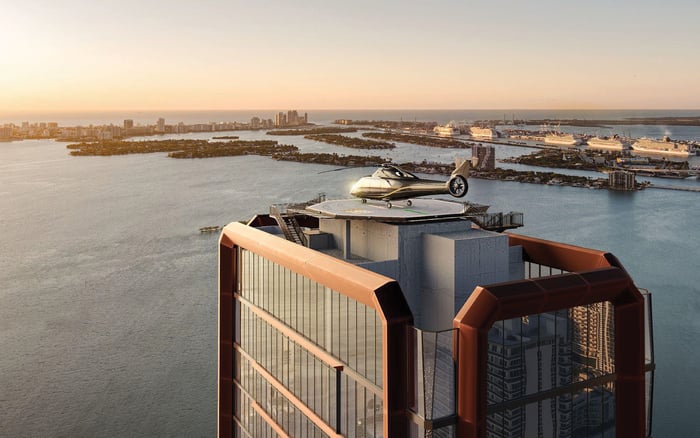
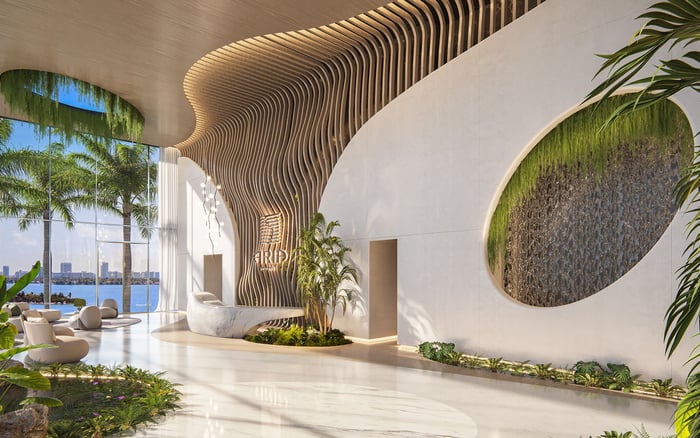
This is especially relevant when comparing buildings such as Aria Reserve Miami, EDITION Edgewater, The Cove Residences Edgewater, and Villa Miami. Each may appeal to a different version of the same buyer: one who wants water, design, service, and proximity, but needs to know which environment best supports the cadence of real life.
A residence can feel exceptional at one hour and entirely different at another. Wellness-focused owners should request visits that mirror their lifestyle. If mornings are sacred, walk the home early. If evenings are when you decompress, return near sunset. If you work from home, sit in the room where calls will happen and assess whether the space promotes concentration.
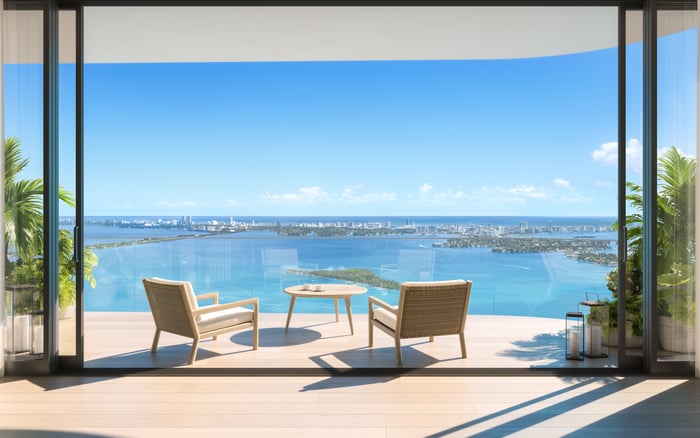
Waterview is powerful, but it should not be treated as a substitute for livability. Consider how the view interacts with heat, brightness, privacy, and furniture placement. A dramatic outlook may be less useful if the main seating area is constantly affected by glare. Likewise, a quieter exposure may create a more restorative atmosphere if it offers softer light and a calmer backdrop.
Sound deserves equal scrutiny. Listen for traffic, mechanical hum, corridor noise, elevator proximity, amenity spillover, and neighboring activity. In high-rise living, wellness is often protected by the details one cannot see in renderings: door placement, wall assemblies, window performance, and how the building manages shared spaces.
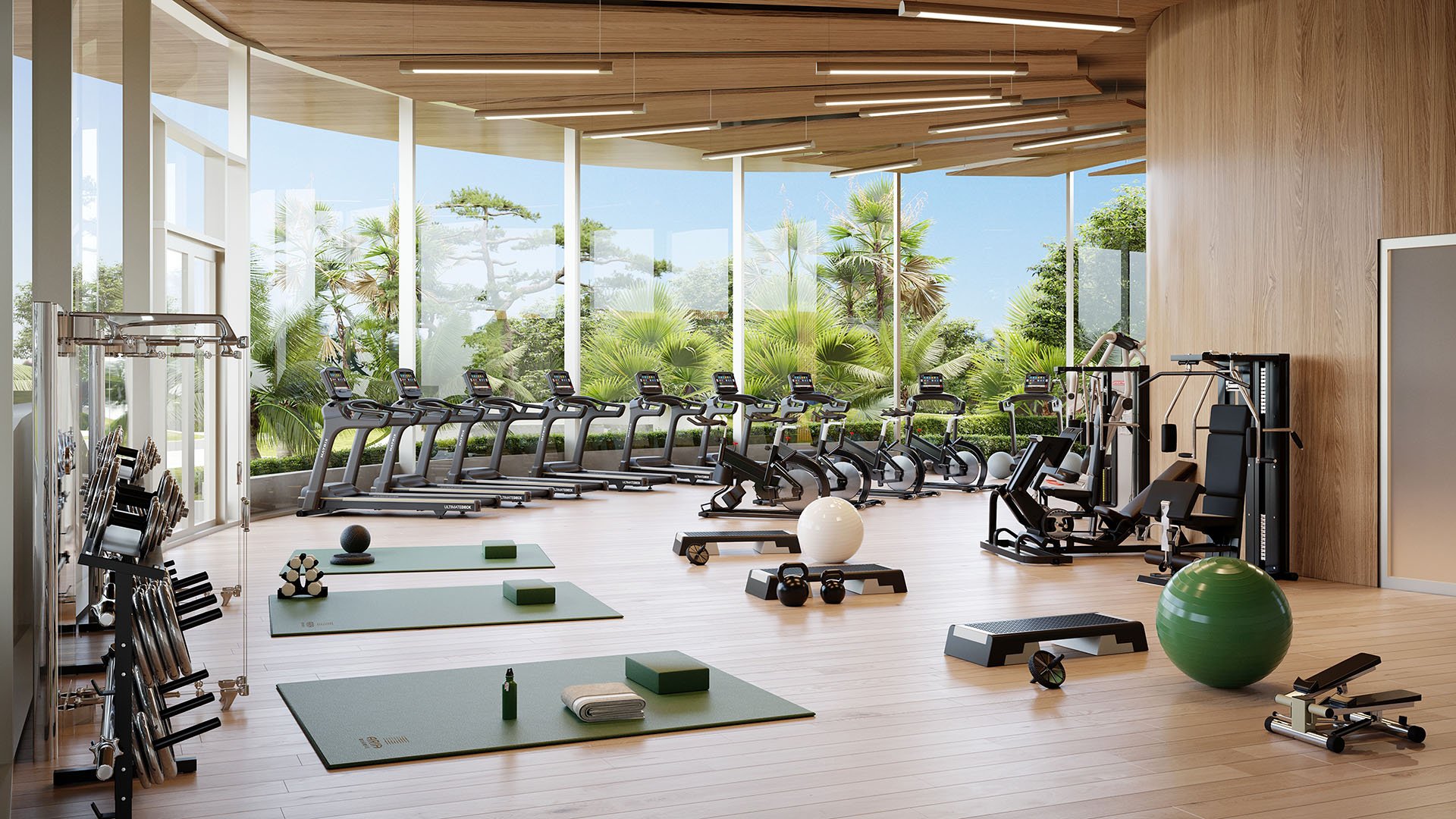
Wellness amenities can be meaningful, but only if they are usable, maintained, and aligned with the building’s culture. A buyer should ask how the fitness spaces are accessed, when they are busiest, how reservations are handled if applicable, and whether the wellness areas feel contemplative or performative. The best amenity is not always the largest one. It is the one you will actually use.
Look beyond the vocabulary of spas, pools, lounges, and treatment rooms. Ask whether there is a natural progression from workout to recovery to home. Consider whether the building allows you to exercise, shower, reset, and return upstairs without feeling exposed or interrupted. The sequence matters. A wellness-forward building should reduce friction, not add ceremony.
Pool environments also deserve a practical eye. Is the setting peaceful enough for regular use, or does it feel primarily social? Can you read, swim, stretch, or take a quiet call without feeling surrounded by spectacle? For some owners, the most valuable wellness feature may be a discreet outdoor corner rather than the most photographed deck.
The arrival sequence is where many buyers underweight wellness. A residence begins before the front door. Valet flow, lobby acoustics, elevator wait, corridor lighting, package handling, guest movement, and service access all shape the daily emotional experience of the home.
A wellness-focused owner should walk the entire path several times. Arrive as a resident would. Imagine returning after a long flight, carrying a bag, taking a call, or hosting family. Does the building feel composed? Does the staff presence feel polished but not intrusive? Are there too many moments where privacy depends on luck rather than design?
Edgewater’s appeal includes its urban immediacy, but owners who value calm should be precise about thresholds. The right residence should let you engage the city when desired and withdraw from it when needed. That balance is the essence of luxury wellness in a vertical neighborhood.
The strongest wellness residences make rituals easy. Morning coffee should have a natural place. Stretching should not require moving furniture. The primary bath should feel like a daily reset, not merely a finish package. Storage should reduce visual noise. A home office should support posture, focus, and light control.
If a terrace is important, test it honestly. Is it deep enough for the way you intend to use it? Does it feel private? Is it comfortable at the times of day when you would actually sit outside? Outdoor space only adds wellness value when it becomes part of the resident’s routine.
Also assess transitions. Where do shoes, bags, workout gear, supplements, linens, and deliveries go? Wellness is often compromised by clutter, and clutter is often a planning failure. A beautiful residence that lacks practical holding zones may become less calming over time.
Edgewater should be pressure-tested not only internally, but against the other South Florida lifestyles you might choose. If you want sand and daily ocean immersion, Miami Beach or Surfside may speak differently. If you want a quieter garden rhythm, Coconut Grove may feel more residential. If you want a more finance-driven urban pattern, Brickell may be the clearer fit. Edgewater sits between these identities, which is precisely why it can be attractive.
The buyer’s task is to decide whether that in-between quality serves the body and mind. For some, Edgewater offers the right blend of water, height, culture, and access. For others, wellness may require more seclusion, more beach ritual, or more horizontal space. A luxury purchase should clarify identity, not merely satisfy momentum.
The first showing is emotional. The second should be investigative. Bring the people who understand how you live: a partner, designer, wellness advisor, private chef, trainer, or trusted broker. Walk the residence slowly. Sit in silence. Open storage. Stand in the shower. Imagine laundry, guests, pets, deliveries, early calls, late dinners, and recovery days.
Ask yourself a direct question: will this home make discipline easier? If the answer is yes, the residence is doing more than presenting well. It is supporting the rituals that preserve energy, clarity, and health. That is the standard a wellness-focused Edgewater buyer should require.
Is Edgewater a good fit for wellness-focused luxury buyers? It can be, especially for owners who want water views, urban access, and a high-rise lifestyle. The key is testing whether the specific residence supports calm, privacy, and daily recovery.
What should I evaluate first inside an Edgewater residence? Start with light, sound, air, bedroom calm, and the flow between daily-use spaces. These elements often matter more than decorative finishes.
How important is a waterview for wellness? Waterview can be restorative, but it should be balanced against glare, heat, privacy, and furniture planning. A view is valuable only if it improves daily living.
Should I prioritize a large amenity program? Not automatically. Prioritize amenities that are easy to use, well maintained, and aligned with your routine rather than amenities designed mainly for presentation.
How should I evaluate a terrace? Stand outside at the times you would actually use it and assess depth, privacy, sound, wind, and comfort. A terrace should function as a real room, not just a marketing feature.
Why is the arrival sequence so important? Arrival shapes the emotional transition from city to home. Valet, lobby, elevators, corridors, and service flow all affect privacy and ease.
Are branded residences automatically better for wellness? Not necessarily. Branding may signal service or design intent, but the floor plan, acoustics, light, and management culture still need to be tested carefully.
How many times should I visit before making a decision? More than once if possible, and at different times of day. A second visit often reveals how the home performs beyond first impressions.
What makes Edgewater different from Brickell or Miami Beach? Edgewater offers an urban waterfront rhythm that can feel less corporate than Brickell and less resort-driven than Miami Beach. Its appeal depends on your preferred pace.
What is the best way to pressure-test a purchase emotionally? Imagine an ordinary week, not a perfect weekend. If the residence supports sleep, focus, movement, hosting, and recovery, it is worth deeper consideration.
If you'd like a private walkthrough and a curated shortlist, connect with MILLION.
If branded residences are on your mind — as a home or as an allocation — we would be glad to share what we are seeing, privately.
Begin a quiet conversation