Miami's latest wave of glass towers and branded residences has turned pre-construction into a timing game for serious buyers. Enter at soft launch and you may lock in a rare line at a meaningful discount; wait until completion and you are often paying full price for whatever is left. This editorial unpacks the typical Miami development timeline, where developers are most flexible, and how well-timed entries into best-in-class projects can secure superior residences, stronger pricing and long-term strategic upside.
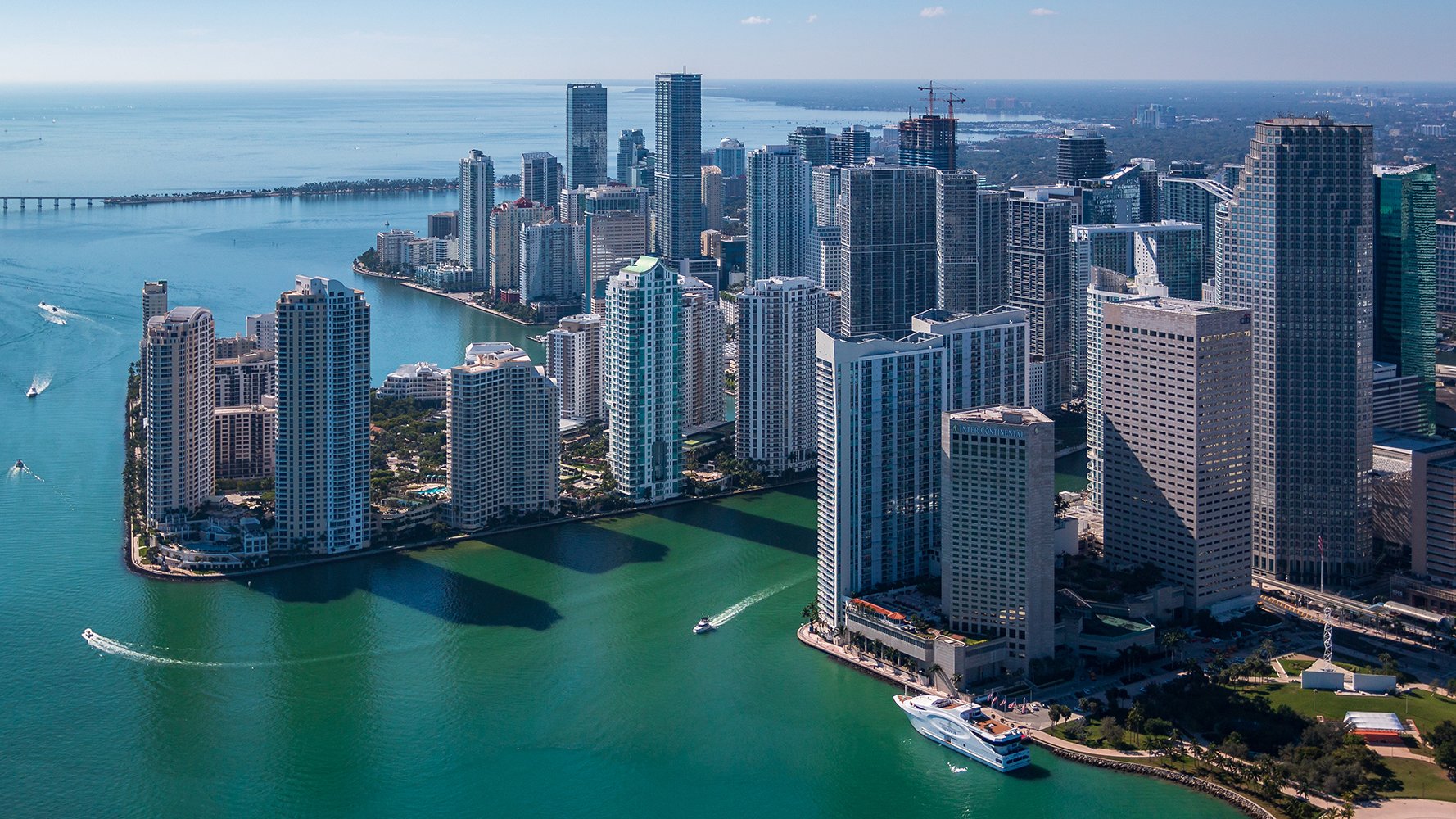
Miami's luxury condo skyline is being redrawn in real time. From bayfront glass towers to branded residences with hotel-caliber service, new projects across Brickell, Edgewater and Downtown offer rare air for global buyers. Yet in this arena, what you buy is only half the equation. When you buy can be just as powerful.
In the pre-construction arena, developers typically reward early commitment with pricing that is materially below what later buyers will pay. First-release buyers often secure a residence at a discount to the building's eventual market value and enjoy the broadest choice of lines, views and floor plans. Late entrants may pay more for whatever remains, or in some cases find no developer inventory at all.
At the same time, early commitment carries more uncertainty. Plans can evolve, delivery can be delayed and broader market conditions can shift over a three to four year build. The goal for a sophisticated buyer is not simply to be first or last, but to recognize which point in the project's life cycle best aligns with their appetite for risk, capital deployment and lifestyle goals.
What follows is a framework that MILLION Luxury uses with clients considering Miami pre-construction. By understanding how pricing and leverage shift from launch through completion, you can position yourself to secure the right residence, on the right terms, at the right moment.
Every tower is unique, but most Miami high rise developments follow a predictable sequence. Each phase offers a distinct blend of pricing, selection and certainty.
Reservation phase - quiet launch
This is the soft opening of a project, often before the public marketing campaign. Sales galleries quietly invite a limited circle of brokers and clients to reserve units based on renderings, preliminary floor plans and a concept level brochure. A small, typically refundable deposit holds your chosen line and view.
For buyers, the advantages are clear: pricing is usually at its lowest, and the menu of options is at its widest. It is often at this moment that you can secure a rare line, combine two residences or negotiate bespoke tweaks to a floor plan. The trade off is that key details may still be in flux and, in less proven projects, there is a non zero chance the development does not proceed.
Contract stage - project gets real
Once approvals are obtained and condominium documents are filed, the project moves into formal contracts. Reservation agreements convert into binding purchase contracts and deposits usually step up to around 30 percent of the purchase price, staged over several months.
By this point, the design is largely crystallized. Model kitchens and bathrooms are installed in the sales gallery, finish schedules are defined and you have a clearer understanding of what will be delivered. Pricing often ticks higher than the quiet launch round, yet typically still sits below where values are expected to be at completion.
For many end users, this stage can be a sweet spot: uncertainty has diminished, but there is still meaningful upside if you believe in the project and the broader Miami story.
Construction phase - tower on the rise
Groundbreaking, topping off and the steady climb of the crane change the psychology of both buyers and developers. As the structure climbs, so do prices. Deposits typically ratchet toward 40 to 50 percent through a series of scheduled payments at construction milestones.
For a buyer entering mid construction, you gain the comfort of seeing the building's real scale and orientation. You may be able to stand on the future pool deck or view the exact vistas from a mock up floor. The timeline to delivery has shortened, which is attractive for those with a defined relocation or schooling calendar.
The downside is straightforward: the early bird pricing is gone, and the best lines have generally been spoken for. You are selecting from a narrower set of layouts and exposure lines, and tying up a larger amount of capital until closing.
Completion and closing - certainty at full price
Once the building receives its certificate of occupancy, the developer calls buyers to closing. Any remaining inventory is now a tangible product you can walk, touch and measure. For some buyers, particularly those who prioritize certainty above all else, this is the moment that finally feels comfortable.
Pricing, however, reflects that comfort. In most successful towers, developer units that remain at completion are offered at full market value, sometimes with a premium for last available lines or penthouses. Customization options are limited, and in highly absorbed projects there may be little or no sponsor inventory left to choose from.
Post completion resales - a secondary window
The first twelve to eighteen months after delivery can bring a wave of resale listings as early investors decide to monetize their positions, or as life circumstances change. Occasionally, these resales are offered slightly below the developer's ask for similar units, particularly if an owner prefers speed over maximizing price.
In other cases, early resales trade at a meaningful premium to launch pricing, reflecting both market appreciation and the building's newly confirmed status. For a buyer, this post completion window can be attractive if you require a finished home but still wish to capitalize on a motivated seller. Just recognize that you are paying today's market price, not the launch discount that first movers enjoyed.
Timeline alone does not determine the best timing. Miami's pre construction market is deeply influenced by global capital flows, interest rate cycles and local supply. Understanding where you sit in the cycle can materially improve your outcome.
Developers have clear sales milestones. One of the most critical is reaching the level of pre sales required by their construction lender, often near the 50 percent sold mark. In the run up to this threshold, a developer may be unusually receptive to serious offers in order to secure financing and move the project forward. Buyers who commit in this window may secure a preferred line or enhanced terms that are not widely advertised.
Another inflection point comes just after a construction loan closes. With financing in place, the risk profile of the project drops and marketing efforts typically accelerate. If the sales pace has slowed while the loan was being finalized, a developer may quietly entertain negotiation to rebuild momentum, even if the official price sheet suggests otherwise.
Market softness, whether driven by macro headlines or seasonal lulls, can also create opportunities. During quieter quarters, a serious buyer with clean terms, proof of funds and a willingness to sign quickly can often negotiate more favorable deposits, closing credits or upgrade packages in lieu of headline price reductions. In a heated market, by contrast, developers may hold firmly to asking prices and simply move to the next buyer in line.
The final set of opportunities arrives at close out. When a building is down to its last handful of residences, carrying costs and opportunity cost start to weigh on the developer's balance sheet. While the remaining units are sometimes the most challenging lines, that is not always the case. A mispriced lower floor residence or a penthouse held back for marketing can occasionally be acquired on attractive terms by a decisive buyer.
With this context, the core question becomes: should you be early, or should you wait? The answer depends on whether your priority is access, pricing or certainty.
Early bird buyers focus on first release or even pre release phases. Their objective is to secure a scarce or irreplaceable residence and to lock in pricing before the tower becomes a proven success. In Miami, that might mean a bayfront line with unobstructed views in Edgewater, a duplex villa on a beach level podium or a full floor penthouse in a branded tower.
The upside of this strategy is clear. If the project performs as expected, price lists tend to rise as key milestones are reached. You benefit from lift in values before you have even closed, and from the satisfaction of knowing you own one of the building's most coveted homes. The trade offs are time and risk: your deposits are committed for years, and you must be comfortable with the developer's ability to execute.
The wait and see buyer, by contrast, is comfortable sacrificing some upside in exchange for reduced uncertainty. They may enter late in construction or even after completion, once they can physically experience the amenities, assess the level of service and see who their neighbors are. For some, especially those for whom the purchase is a secondary or tertiary residence, this peace of mind is worth paying a premium.
What rarely works, at least in the upper tier of the market, is a purely speculative mindset. Planning to buy at launch and flip immediately at closing can be risky if many other investors pursue the same strategy. A cluster of near identical resale listings can suppress values in the short term. The more resilient approach is to take a medium to long term view: buy well, at the right stage in the cycle, then hold long enough for the building's reputation and Miami's broader growth story to compound your returns.
Recent and current towers across Miami provide a blueprint for how timing decisions play out in practice.
In the downtown waterfront corridor, Aston Martin Residences Downtown Miami has become a case study in the power of early commitment. Early buyers were presented with a wide spectrum of one to five bedroom residences, duplexes and penthouses, all wrapped in an automotive inspired silhouette on the riverfront. As construction progressed and the tower rose on the skyline, pricing stepped up and inventory narrowed. By the later stages of construction, primary market opportunities had become scarce, underscoring how those who acted at launch enjoyed both better selection and more attractive entry points.
Nearby, Baccarat Residences Brickell illustrates how a clear brand, a coveted riverfront site and strong early demand can compress the window of opportunity. Sales velocity at Baccarat Residences Brickell signaled confidence from sophisticated buyers who understood that once the building reached critical mass of pre sales, price lists were unlikely to soften. As the project advanced, later entrants found themselves choosing among a smaller pool of remaining layouts in Brickell and paying materially more than those who committed in the initial phases.
Looking ahead, Waldorf Astoria Residences Downtown Miami offers a forward looking template. As Miami's first true super tall, its stacked cube architecture and global hotel flag have generated significant anticipation. Launch pricing reportedly began in the low four figures per square foot, with guidance that later phases would trend significantly higher as milestones were reached and as the tower approached topping off. For buyers who share a long term conviction in Downtown's evolution as a global business and lifestyle hub, aligning with those earlier phases can mean securing a residence in a skyline defining building at a relative discount to where values may ultimately stabilize.
These case studies share a common thread. In best in class projects, the most compelling combination of pricing and choice tends to appear either at the very beginning of the sales cycle or at specific inflection points when a developer is especially motivated to sign contracts. Buyers who arrive only once the building is headline news and nearing completion often face constrained options and fully mature pricing.
What is generally the best phase to buy a pre construction condo in Miami?
For most buyers seeking both value and choice, the reservation or early contract phase offers the most compelling blend of benefits. Pricing is usually below what you will see at completion, and you have a wider selection of lines and views. That said, if you prioritize certainty above all else, entering during late construction or immediately post completion may be more appropriate.
How much should I expect to commit in deposits for a pre construction purchase?
Deposit structures vary by project, but a common pattern is 10 to 20 percent at reservation and contract, moving toward 40 to 50 percent through construction milestones, with the balance due at closing. Your adviser can help you compare structures across buildings and negotiate more tailored schedules where a developer is flexible.
Can I negotiate on price in a luxury pre construction tower?
Direct price reductions are less common in the most sought after buildings, but there is often room to negotiate on the edges: upgraded finishes, closing credits, a refined payment calendar or inclusion of storage and parking. Your leverage is strongest in softer market moments, in the run up to key bank thresholds and at final inventory close out.
Is buying pre construction in Miami too risky in a changing global environment?
Any pre construction purchase carries execution and market risk, but those risks can be managed by focusing on experienced developers, irreplaceable sites and buildings with strong branding or architectural distinction. Diversifying across markets, keeping leverage conservative and taking a medium term view can further mitigate volatility.
Do I need my own agent when buying directly from a sales gallery?
Yes. In Miami, the developer typically pays the buyer's agent commission, so working with an experienced adviser does not increase your cost. A specialist such as MILLION Luxury adds value by benchmarking projects, monitoring sales velocity, reading between the lines of incentives and helping you decide when in the cycle to commit.
To explore timing, availability and off market opportunities across Miami's leading pre construction towers, connect with MILLION Luxury via MILLION Luxury.
If branded residences are on your mind — as a home or as an allocation — we would be glad to share what we are seeing, privately.
Begin a quiet conversation