A buyer-oriented guide to façade cleaning strategy across South Florida, with attention to coastal exposure, building materials, access planning, and long-term value preservation.

In South Florida, façade cleaning is more than an aesthetic chore. It is a preservation discipline, especially for owners who expect a residence to read as immaculate from the porte cochère, the marina, the beach path, and the skyline. The exterior envelope is the first luxury finish a property presents, and it is also the surface most exposed to salt air, humidity, sun, rain, wind, landscaping residue, and the daily traces of coastal life.
The right approach begins with restraint. A prized exterior should not be subjected to a one-size-fits-all wash, nor should it be ignored until staining becomes visible from the street or the water. The most disciplined owners think in cycles: light routine care, periodic deeper cleaning, and careful review of sealants, coatings, railings, glazing, stone, stucco, metal, and balcony details.
For portfolio shorthand, this means reading Miami Beach, Brickell, Fort Lauderdale, Palm Beach, oceanfront, and balcony conditions as distinct maintenance profiles rather than interchangeable addresses.
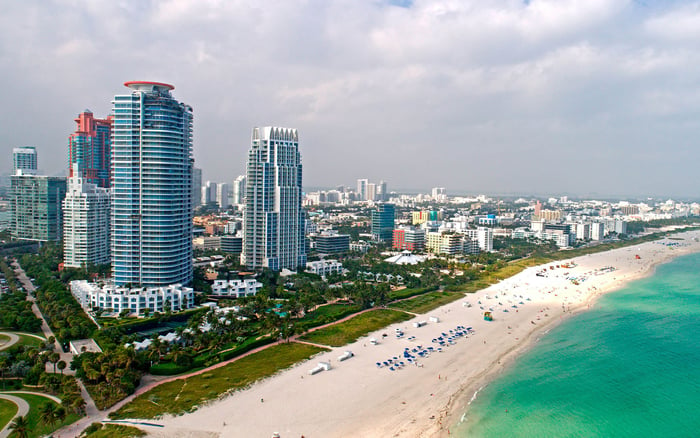
Miami presents the region’s most varied façade-cleaning conditions. A waterfront tower in Miami Beach can be shaped by salt and wind, while a Brickell high-rise may contend with street-level particulates, dense traffic patterns, neighboring construction, and long shadows between towers. The challenge is not only exposure, but access. Tall buildings with extensive glazing, deep terraces, and sculptural crowns require early coordination among management, engineers, access vendors, and residents.
For condominiums, the strongest cleaning plans are predictable and clearly communicated. Residents should know when balcony furniture must be moved, when windows may be inaccessible, and whether cleaning will occur from roof rigs, swing stages, lifts, or rope access. The work should be sequenced so the building does not appear partially finished for long periods, especially in highly visible waterfront or gateway locations.
Material mix matters. Glass, painted stucco, metal fins, exposed concrete, stone accents, and wood-look architectural elements each respond differently to cleaning methods. An aggressive approach can leave streaking, etching, premature coating wear, or uneven color. A gentle approach may be ineffective where residue has accumulated for too long. The balance comes through testing, documentation, and a schedule that prevents emergency cleaning from becoming the default.
Fort Lauderdale asks owners to think horizontally as much as vertically. Canal-front, riverfront, marina-adjacent, and beachside properties all encounter moisture, salt, and reflected light, but their exposure patterns vary by orientation and surrounding landscape. A façade that appears protected from the street may be heavily affected on the water side, where railings, terrace edges, exterior stairs, glass panels, and shaded recesses often show the earliest signs of wear.
For high-end single-family homes, the program should be integrated with landscaping, dock maintenance, roofing review, pool care, and exterior lighting. Irrigation overspray can mark walls and glass. Dense planting can trap moisture against surfaces. Outdoor kitchens and entertainment areas can create localized buildup. The objective is to make cleaning part of a property-care calendar, not a reaction before a showing, holiday weekend, or seasonal arrival.
For luxury condominiums, Fort Lauderdale owners should pay close attention to the interface between the façade and resident lifestyle. Large terraces, private elevators, pool decks, and amenity podiums create more visible surfaces than a simple tower wall. Cleaning should support the daily experience of arrival, view, and entertaining while respecting privacy and minimizing disruption.
Palm Beach requires a particularly discreet approach. The exterior language often emphasizes texture, proportion, landscaping, masonry, stucco, shutters, metalwork, stone, and garden-facing elevations. Here, façade cleaning should be quiet, precise, and nearly invisible in its execution. The goal is not to make a property look freshly scrubbed. The goal is to make it look continuously cared for.
Estate properties benefit from smaller, more frequent interventions. Rather than waiting for visible streaking or biological growth, owners can schedule light touchpoints around seasonal occupancy, garden cycles, hurricane preparation, and post-storm inspection. Stone thresholds, walls near planting beds, balcony undersides, exterior lamps, driveway-facing elevations, and shaded courtyards deserve close attention.
Condominium and boutique building owners in Palm Beach should also consider how cleaning affects architectural dignity. Older or finely detailed façades may require specialized methods, lower pressure, hand work, and careful protection of adjacent finishes. If a surface is historically styled, porous, painted, coated, or previously repaired, the cleaning specification should remain conservative until compatibility is confirmed.
Façade care belongs in the ownership conversation before closing. A buyer should ask how often the exterior is cleaned, who approves the specification, how access is handled, whether prior issues have been documented, and whether the reserve or maintenance plan accounts for exterior-envelope care. For a condominium, the association’s habits matter. For a single-family home, the current owner’s maintenance culture matters.
The key is to separate cosmetic cleaning from building stewardship. Clean glass is important, but so are weep paths, balcony edges, railing bases, exterior penetrations, coating condition, sealant lines, and drainage points. A beautiful view can distract from the practical details that determine long-term maintenance quality.
Buyers should also ask whether the most exposed elevations receive different treatment from protected ones. A waterfront face may need more frequent rinsing than a leeward side. A shaded courtyard may need a different program than a sun-blasted west façade. Uniform scheduling is simple; nuanced scheduling is often more effective.
A well-designed program starts with a visual survey and a material inventory. Owners should know what they are cleaning before they decide how to clean it. The plan should identify surface types, vulnerable areas, access points, water sources, resident or staff coordination needs, and weather constraints.
Testing is essential. A small, inconspicuous area can reveal whether the proposed method creates streaking, color change, residue, or unwanted surface texture. From there, the scope can be refined. Softer washing, hand cleaning, purified water systems, non-abrasive tools, and carefully selected cleaning agents may all have a place, depending on the façade.
Timing should be practical. Work near storm season, peak social periods, major holidays, or heavy occupancy windows requires more communication. For trophy homes and ultra-premium condominiums, the calendar should respect not only weather, but also privacy, guest arrivals, events, and market presentation. A residence should look composed without feeling like a maintenance site.
The finest façade programs share one trait: they protect the architecture without calling attention to the maintenance. The glass is clear, the stone reads naturally, the stucco is even, the railings feel crisp, and terraces remain inviting. Nothing appears harshly stripped or newly corrected.
That distinction is especially important in South Florida, where exterior surfaces are part of the lifestyle promise. Buyers are not only purchasing square footage. They are purchasing arrival, light, views, sea air, outdoor rooms, and the confidence that a property can sustain its visual standard over time.
Façade cleaning, when done well, is a quiet form of asset management. It preserves the impression of care, supports the performance of exterior materials, and helps a residence remain aligned with the expectations of a luxury market that notices details before it discusses them.
How often should a luxury façade be cleaned in South Florida? The right interval depends on exposure, materials, orientation, landscaping, and access. Waterfront and heavily shaded areas often need closer attention than protected elevations.
Is façade cleaning different for condos and single-family homes? Yes. Condominiums require coordinated access and resident communication, while single-family homes allow more customized timing around landscaping, docks, pools, and occupancy.
Can aggressive pressure washing damage a façade? It can, especially on coated, porous, painted, or detailed surfaces. Testing and material-specific methods are essential before broad cleaning begins.
What should buyers ask an association about façade care? Ask about cleaning frequency, access methods, recent exterior work, communication practices, and whether façade maintenance is part of a broader building-care plan.
Why do waterfront properties need special attention? Waterfront elevations can experience salt, wind, moisture, and reflected light in ways that differ from street-facing sides. Cleaning plans should reflect those exposure patterns.
Should balcony areas be included in façade cleaning plans? Yes. Balcony edges, railings, glass panels, undersides, and drainage points are often highly visible and can show early signs of residue or staining.
What is the best season for façade cleaning? The best timing depends on weather, occupancy, storm preparation, and building access. Luxury properties should schedule work when disruption can be minimized.
How can owners avoid over-cleaning? Use light routine care, document vulnerable surfaces, test methods first, and avoid harsh techniques unless a qualified professional confirms compatibility.
Does façade condition affect resale presentation? Yes. A well-kept exterior shapes first impressions, photography, showings, arrival experience, and buyer confidence in the overall care of the property.
What is the simplest way to start a façade-care plan? Begin with a material inventory, exposure review, and visual survey, then build a practical schedule around the most vulnerable elevations.
To compare the best-fit options with clarity, connect with MILLION.
If branded residences are on your mind — as a home or as an allocation — we would be glad to share what we are seeing, privately.
Begin a quiet conversation