A refined guide to evaluating utility rooms as a serious luxury buyer, from service flow and storage to ventilation, finishes, privacy, and resale confidence.
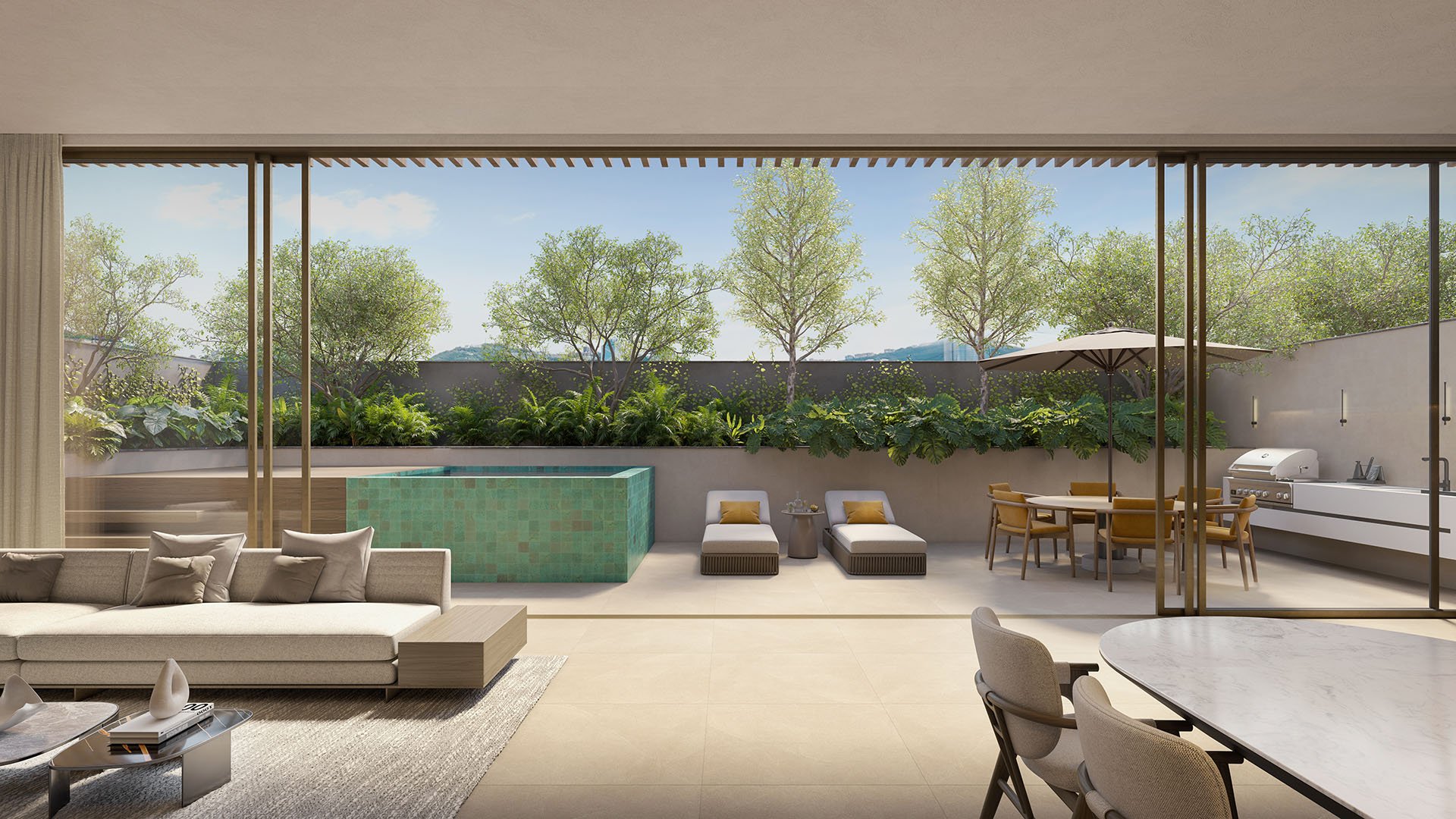
A utility room is rarely the photograph that sells a home, but it is often the room that confirms whether the residence was designed for real ownership. A tourist sees a washer, a dryer, a sink, and perhaps a row of cabinets. A luxury buyer sees circulation, labor, noise control, fabric care, storage logic, and the quiet choreography of daily life.
In South Florida’s upper tier, where residences are expected to perform as beautifully as they present, the utility room becomes a private audit of intention. It reveals whether the kitchen can remain serene during entertaining, whether beach towels have a proper landing place, whether staff or family can work without crossing formal zones, and whether the architecture has anticipated the less glamorous but essential rhythms of ownership.
The point is not to fetishize square footage. The point is to understand whether the room is scaled, located, finished, and ventilated in a way that supports the rest of the home.
Before admiring machines or cabinetry, ask where the utility room sits in the plan. A well-placed utility room is close enough to bedrooms, wardrobes, or service corridors to be useful, yet removed enough from principal entertaining spaces to preserve calm. If every laundry basket must travel across a gallery, through a kitchen, or past the dining room, the room may look polished but live awkwardly.
In a vertical residence in Brickell, proximity to private bedrooms may matter more than a grand separate service wing. In a larger home near Aventura, the better question may be whether the utility room supports pool days, guest turnover, deliveries, and housekeeping without disturbing the principal rooms. A luxury buyer studies the route, not just the room.
Also notice door swings, thresholds, and the ability to close the space completely. A utility room that cannot be concealed during a dinner party or a weekend with guests is not fully resolved.
Cabinetry in a utility room should not be judged by finish alone. Open the doors. Look for depth, interior organization, broom height, tall storage, hanging capacity, and a place for cleaning supplies that does not conflict with linens or garments. Shallow cabinets can photograph well and disappoint instantly.
The best rooms separate categories. Detergents have one zone, guest linens another, pet or beach items another, and bulk goods another. If a home is large enough to require formal storage elsewhere, the utility room should still manage the daily essentials without becoming a catchall.
A tourist counts cabinets. A buyer asks what each cabinet is meant to hold.
A luxury utility room should feel consistent with the residence, but it does not need to imitate the formal kitchen. Its surfaces should be handsome, washable, and resilient. Counters should allow folding, sorting, and spot treatment. A sink, when present, should be usable rather than ornamental, with enough surrounding surface to support real tasks.
Examine whether the finishes are merely decorative or properly suited to moisture, heat, and repeated use. Fine design in a back-of-house room is not about excess; it is about restraint and durability. The most convincing utility rooms have the composure of millwork and the practicality of a workroom.
Utility rooms generate heat, sound, vibration, humidity, and movement. These forces should be managed, not ignored. Stand in the room and listen. Consider what happens when machines run while someone sleeps, works, or entertains nearby. A beautiful door is not enough if sound travels into the primary suite or family room.
Ventilation is equally important. The room should not feel trapped, stale, or improvised. A luxury buyer looks for evidence that the home has been planned for comfort beyond the visible finishes. This includes clear access for maintenance, sensible machine placement, and enough clearance to service equipment without dismantling the room.
If the only way to repair or replace an appliance is through heroic effort, the design has placed appearance above ownership.
Homes with a Balcony, Terrace, or Pool create a different kind of utility demand. Outdoor living produces towels, cushions, wet clothing, serving pieces, and supplies that need a logical return path. The utility room should support that lifestyle without forcing outdoor residue through formal interiors.
Ask where damp items go. Ask where extra towels live. Ask whether there is room for seasonal entertaining pieces, pool accessories, or outdoor textiles. In a home designed for indoor and outdoor living, the utility room should function like a quiet hinge between leisure and order.
The most elegant residences do not make owners choose between beauty and maintenance. They allow both to coexist.
A true luxury residence understands privacy. The utility room often tells you whether the home can host with grace. Can housekeeping work while guests are present? Can linens be changed without crossing the main salon? Can deliveries, cleaning, and wardrobe care happen without becoming part of the social experience?
This does not require a vast service wing in every property. It does require thoughtful separation. Even a compact utility room can feel sophisticated if it has proper doors, adequate counters, useful cabinetry, and a route that respects the private and public sides of the residence.
For second homes, this discretion is especially valuable. A property that must be reset before an owner arrives needs systems that are legible, organized, and easy to manage.
Appliance brands can impress, but configuration matters more. Are machines stacked to save space, or placed side by side to create a folding surface? Is there room for a secondary hamper system? Can delicate garments be handled properly? Is there a place to air dry items without turning the room into a temporary obstacle course?
Consider the owner’s actual habits. A residence used for frequent entertaining, extended family stays, or seasonal living may need more utility capacity than a pied-à-terre. Conversely, a compact home can be highly livable if the utility area is precise, accessible, and uncluttered.
The luxury buyer does not ask, “Is this expensive?” The better question is, “Does this make the home easier to own?”
Investment is not only about skyline views, brand names, or trophy finishes. It is also about how convincingly a residence supports daily life. A poorly planned utility room creates friction that eventually becomes visible: clutter migrates, service becomes awkward, and formal rooms begin absorbing tasks they were never meant to handle.
A strong utility room protects the rest of the property. It keeps the kitchen cleaner, closets calmer, outdoor living better managed, and staff routines more discreet. These qualities may not dominate a first showing, but they influence satisfaction, repeat use, and the way a sophisticated buyer evaluates long-term livability.
In the luxury market, practicality is not the opposite of glamour. It is one of its foundations.
Enter the room and pause before opening anything. Does it feel like part of the architecture, or like leftover space? Then test the basics. Open every cabinet. Stand where a person would fold linens. Imagine two people working at once. Trace the path from bedrooms, kitchen, outdoor areas, and service entry if applicable. Look for logical zones and enough empty space to move.
Finally, ask what the room is hiding. If it hides disorder gracefully, that is good design. If it hides unresolved planning, the rest of the home deserves a more skeptical reading.
The utility room is not a minor room. It is a private signature of how seriously a residence was conceived.
Why should a luxury buyer care about the utility room? It reveals whether the residence was designed for real ownership, not just presentation. The room often exposes planning quality, storage discipline, and service logic.
What is the first thing to inspect in a utility room? Start with location and circulation. A beautiful utility room in the wrong place can still disrupt daily life.
Are premium appliances the most important feature? No. Configuration, clearance, ventilation, and usability usually matter more than brand recognition alone.
What storage details signal quality? Look for tall storage, useful depth, separate zones, hanging space, and cabinets that match actual household needs.
How does a utility room support entertaining? It keeps linens, serving support, cleanup, and guest turnover out of formal rooms. The best examples preserve privacy and calm.
What should buyers notice about sound? Consider whether machine noise or vibration reaches bedrooms, work areas, or entertaining spaces. Acoustic control is part of comfort.
Does a smaller residence still need a strong utility area? Yes. Compact utility rooms can be excellent if they are precise, accessible, and planned for the owner’s routine.
How do outdoor spaces affect utility planning? Outdoor living creates towels, wet items, cushions, and supplies. The utility room should provide an orderly path for those items.
Can a utility room influence resale confidence? Yes. Buyers who understand ownership value rooms that reduce clutter, protect finishes, and make the home easier to manage.
What is the best way to shortlist comparable options for touring? Start with location fit, delivery status, and daily lifestyle priorities, then compare stacks and elevations to validate views and privacy.
When you're ready to tour or underwrite the options, connect with MILLION.
If branded residences are on your mind — as a home or as an allocation — we would be glad to share what we are seeing, privately.
Begin a quiet conversation