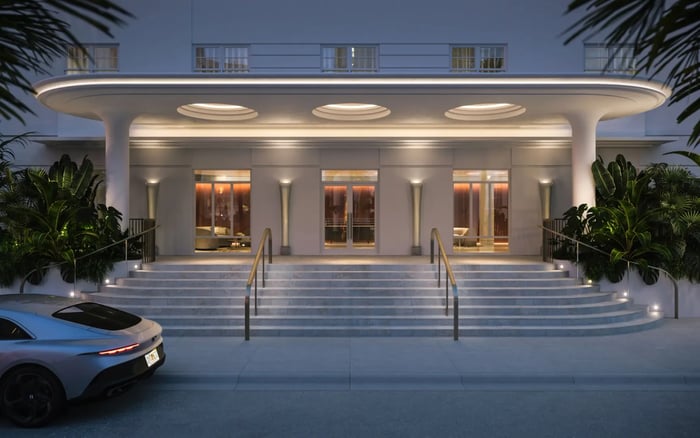
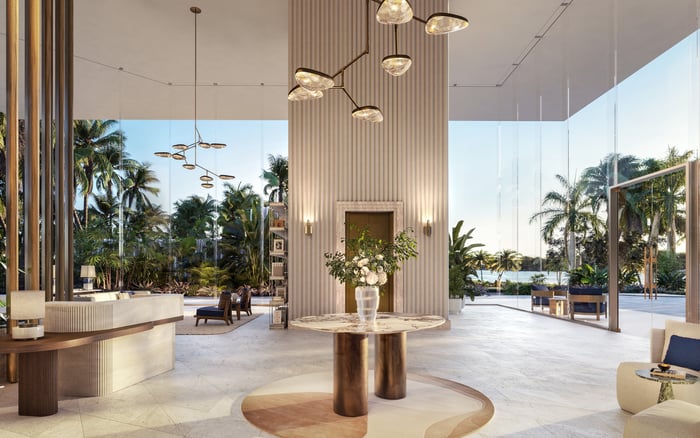
A buyer-oriented look at Shore Club Private Collections Miami Beach, its South Beach oceanfront setting, preservation angle, and role in the long-term livability discussion shaping ultra-luxury ownership on Miami Beach.
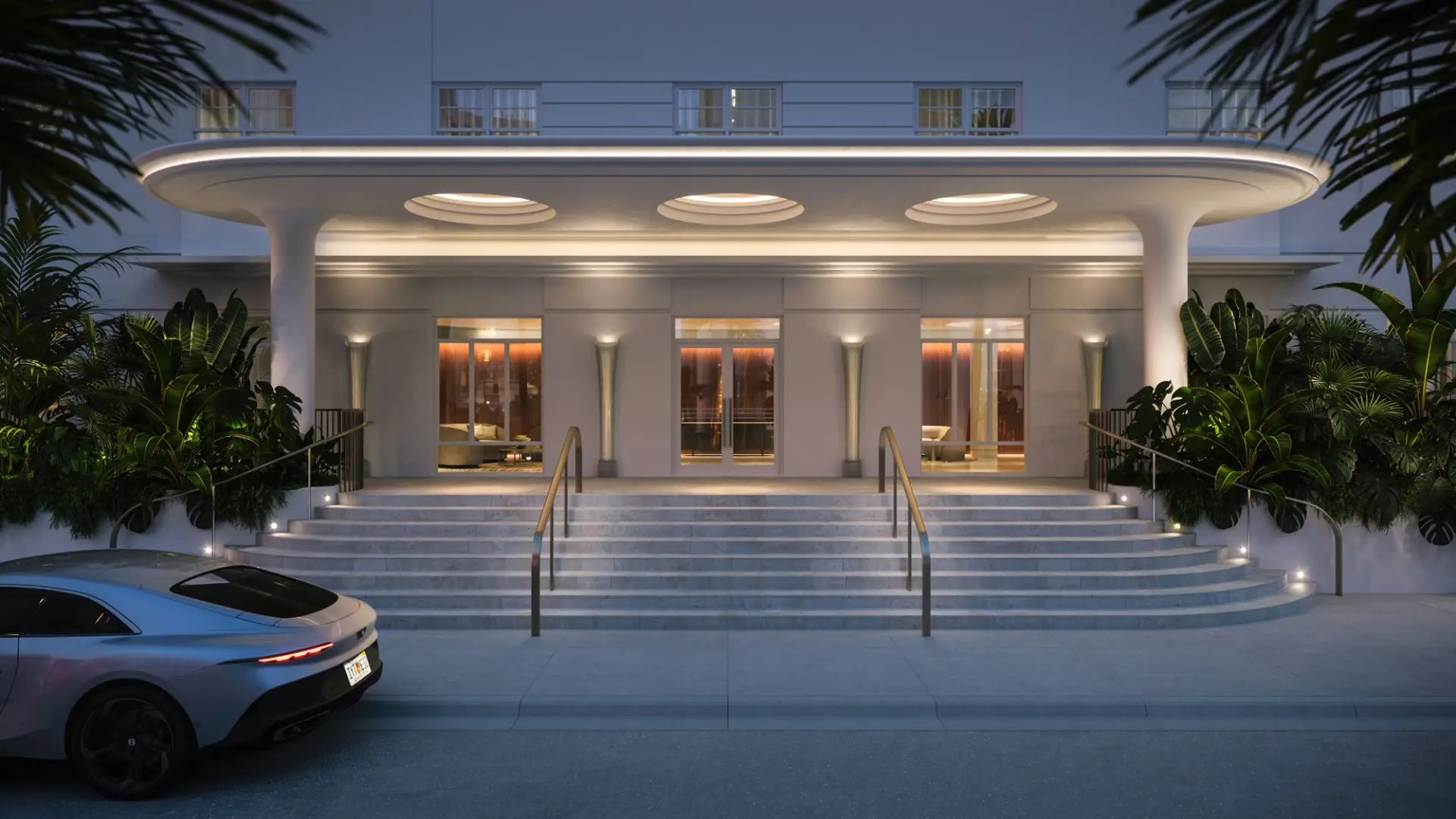
For Miami Beach’s most discerning buyers, the question is no longer simply whether a residence is beautiful. It is whether that beauty can remain usable, relevant, and emotionally compelling across years of ownership. That is where Shore Club Private Collections Miami Beach enters a more sophisticated conversation. The project is framed as the redevelopment of the historic Shore Club site in Miami Beach, pairing the identity of a legacy hospitality property with new ultra-luxury private residences.
Its oceanfront position in South Beach gives it immediate magnetism. Yet the more meaningful question is what that setting delivers over time. Long-term livability on Miami Beach is a layered proposition: beach access, walkable culture, service-rich amenities, neighborhood energy, durability, and confidence in a coastal operating environment. In that sense, Shore Club Private Collections Miami Beach is not only a luxury address. It is a lens through which buyers can read the next chapter of South Beach ownership.
The Shore Club name carries memory. Its redevelopment introduces a preservation angle because the new residential proposition remains connected to the property’s legacy identity. That matters in Miami Beach, where the most valuable addresses often depend on more than land value or architectural novelty. They depend on whether a project can inherit cultural presence while adapting to contemporary expectations.
This is why the project feels different from a purely ground-up luxury tower with no historical tension. It sits between eras: a hospitality-driven South Beach past and a more private, service-oriented residential future. Buyers considering nearby comparables such as Setai Residences Miami Beach or Faena House Miami Beach understand that prestige in Miami Beach is rarely just about square footage. It is also about the lived atmosphere surrounding the property.
South Beach can be polarizing, but for the right buyer, its intensity is part of the value proposition. Shore Club Private Collections sits in one of Miami Beach’s most visible coastal districts, where beach frontage, dining, culture, hotels, and walkable urban activity shape the experience. This is not a remote resort model. It is a residence embedded in a highly legible neighborhood.
That proximity changes the livability equation. A long-term owner may care as much about stepping into the rhythm of Miami Beach as about the view from a terrace. Walkability, beach access, hospitality amenities, and neighborhood energy become practical assets rather than decorative lifestyle language. For search discipline, the relevant buyer shorthand includes Shore Club Private Collections Miami Beach, Miami Beach, oceanfront, beach access, new construction, and investment, but the real story is how those ideas work together in daily life.
South Beach has long been defined by hospitality. The significance of Shore Club Private Collections is that it can be read as part of a broader shift from hotel-centric oceanfront real estate toward service-rich private residential ownership. The buyer is not simply seeking a place to visit. The buyer is evaluating whether a beachfront lifestyle can be lived with continuity, privacy, and operational confidence.
This is where the project’s positioning depends on more than finishes and views. Ultra-luxury buyers will still evaluate architecture, materials, arrival sequence, privacy, service culture, and the emotional power of the oceanfront. But those attributes now sit beside questions of durability, usability, and long-term ownership in a coastal market. A residence may be extraordinary on opening day, yet its real value is tested by how it performs as a home.
Miami Beach luxury development increasingly has to speak to lifestyle and resilience at once. That does not mean every buyer approaches the market with the same concerns. Some are seeking a second home, some are planning seasonal use, and others want a more permanent base. Still, the conversation has matured. Oceanfront desirability is strongest when paired with confidence in the property’s location, operating environment, and long-range practicality.
For Shore Club Private Collections, the central livability question is whether its oceanfront lifestyle can remain practical amid Miami Beach’s evolving climate, infrastructure, and insurance pressures. Those pressures do not erase the appeal of South Beach. They sharpen the buyer’s due diligence. The most sophisticated purchasers are not rejecting the coast. They are becoming more selective about which coastal properties merit a long-term commitment.
Shore Club Private Collections belongs to a small group of Miami Beach projects that invite buyers to think beyond immediate spectacle. The Perigon Miami Beach reflects a different expression of beachfront luxury, while The Ritz-Carlton Residences® Miami Beach speaks to another version of service-driven residential living. Shore Club’s distinction is its adaptive-reuse context and its location within the recognizable energy of South Beach.
This comparison is useful because long-term livability is not a universal formula. Some buyers want quieter enclaves. Others want a cultural corridor with immediate access to the beach and hospitality infrastructure. Shore Club’s relevance comes from its dual role as both lifestyle product and test case for continued investment in prime Miami Beach waterfront property.
The most important consideration is alignment. A buyer drawn to Shore Club Private Collections should want South Beach, not merely tolerate it. The project’s value proposition is tied to its oceanfront setting, walkable urbanity, legacy identity, and service-rich residential framing. If those elements match the buyer’s life, the address can feel unusually complete.
The second consideration is operating confidence. Affluent buyers are likely to examine not only the immediate luxury of the residence, but also the longer-term confidence they feel in the property’s location and ownership environment. That includes how the building is intended to function as a private residential asset in a coastal market where thoughtful ownership requires more scrutiny than it once did.
Finally, there is the emotional dimension. Miami Beach endures because it offers a rare combination of ocean, architecture, nightlife, cultural memory, and global recognition. Shore Club Private Collections fits the livability conversation because it does not ask buyers to choose between heritage and contemporary luxury. It places both within the same oceanfront argument.
What is Shore Club Private Collections Miami Beach? It is framed as the redevelopment of the historic Shore Club site in Miami Beach, combining a legacy hospitality property with new ultra-luxury private residences.
Where is the project located? It is located on the oceanfront in South Beach, within one of Miami Beach’s most visible coastal districts.
Why is long-term livability important here? Buyers are evaluating whether beachfront luxury can remain desirable, practical, and functional over years of ownership in Miami Beach.
What makes the project’s setting appealing? Its South Beach location places beach frontage, dining, culture, hotels, and walkable urban activity close to the residential experience.
Does the project have a preservation angle? Yes. Its adaptive-reuse context connects new residential development with the legacy identity of the Shore Club property.
Is Shore Club mainly a lifestyle purchase? It is a lifestyle product, but its relevance also depends on durability, usability, and long-term ownership confidence.
How does hospitality factor into the project? The development reflects South Beach’s shift from purely hospitality-driven oceanfront real estate toward service-rich private ownership.
What should buyers consider beyond finishes and views? They should consider walkability, beach access, operating environment, coastal practicality, and the project’s ability to support daily life.
Is this more suited to seasonal or full-time living? The appeal can vary by buyer, but the project’s livability story depends on whether its South Beach oceanfront lifestyle aligns with the owner’s routines.
What is the best way to shortlist comparable options for touring? Start with location fit, delivery status, and daily lifestyle priorities, then compare stacks and elevations to validate views and privacy.
For a tailored shortlist and next-step guidance, connect with MILLION.
If branded residences are on your mind — as a home or as an allocation — we would be glad to share what we are seeing, privately.
Begin a quiet conversation