A practical luxury buyer’s guide to evaluating Aventura full-service condo towers through operations, reserves, staff culture, privacy, access, and long-term livability before being led by the view.
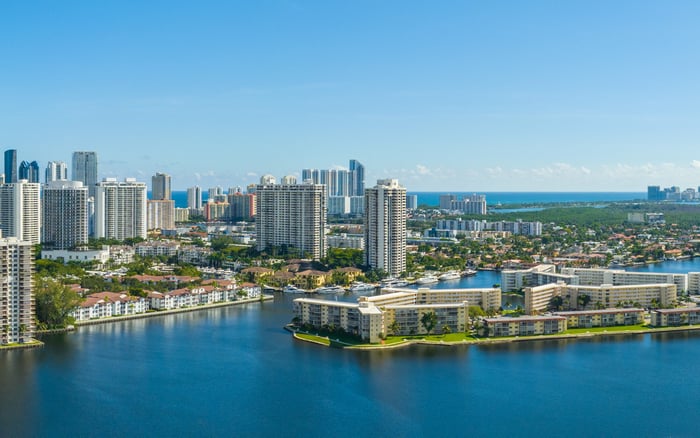
In Aventura, views can seduce quickly. A wide-water exposure, a sweep toward Sunny Isles Beach, or a glittering evening skyline can make a residence feel decided before the elevator doors close. Yet in a full-service tower, the real value is often quieter. It lives in the lobby protocol, the staff rhythm, the condition of common areas, the cadence of management communication, and whether the building feels composed on an ordinary Tuesday morning.
A luxury buyer should treat the view as the reward, not the thesis. The first question is not whether the residence photographs beautifully. It is whether the tower can deliver a private, predictable, well-run life once the novelty of the panorama becomes routine. Operational quality belongs near the top of the decision tree, especially in mature waterfront markets.
For buyers considering Avenia Aventura or comparing it with established towers nearby, the discipline is the same: separate the emotional pull of the outlook from the building’s ability to serve, preserve, and simplify daily life.
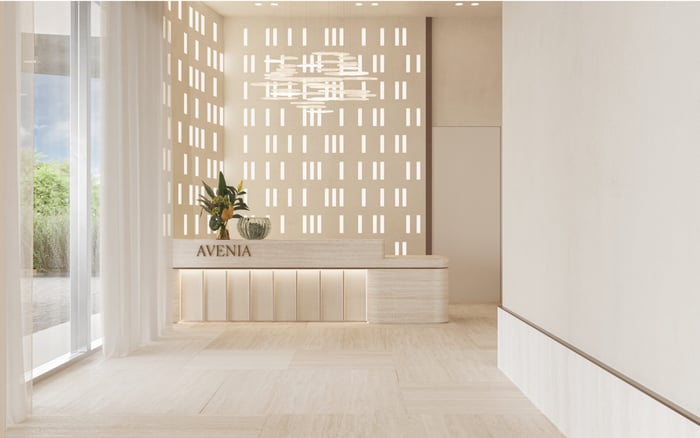
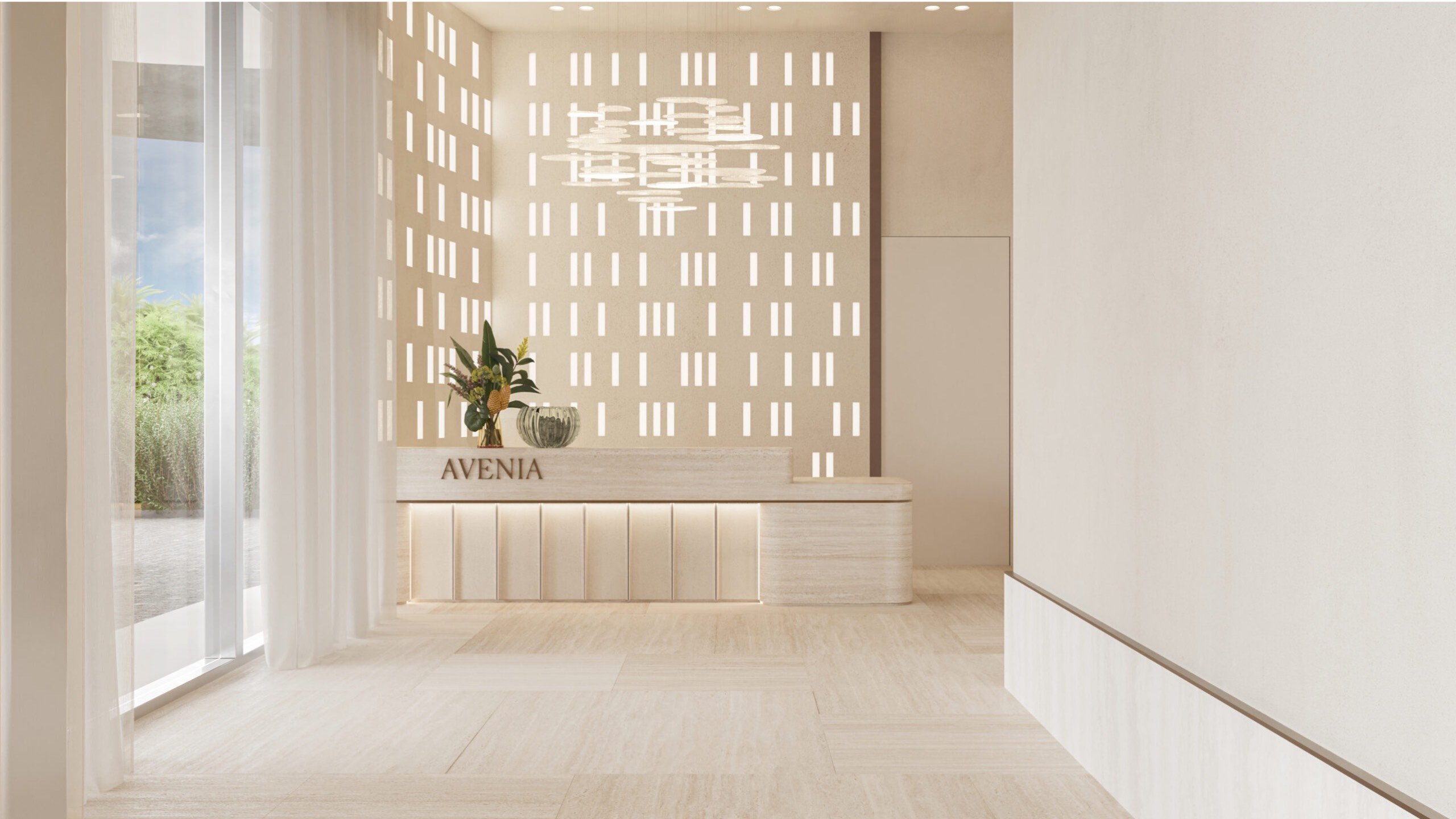
The lobby is not decoration. It is the tower’s operating room. Notice how staff greet residents, whether deliveries are controlled, how guests are received, and whether the entrance feels polished without becoming theatrical. True full-service living is not about excess attention. It is about seamless attention.
Spend time observing shift changes, valet flow, package handling, and the tone between staff and residents. A building can have marble, flowers, and fragrance yet still feel disorganized. Conversely, a more understated tower can reveal excellent management through calm procedures and consistent staff presence.
Ask practical questions. Who manages the building day to day? How are maintenance requests handled? Are there clear rules for contractors, visitors, pets, and service providers? Luxury becomes fragile when rules are vague or unevenly enforced.
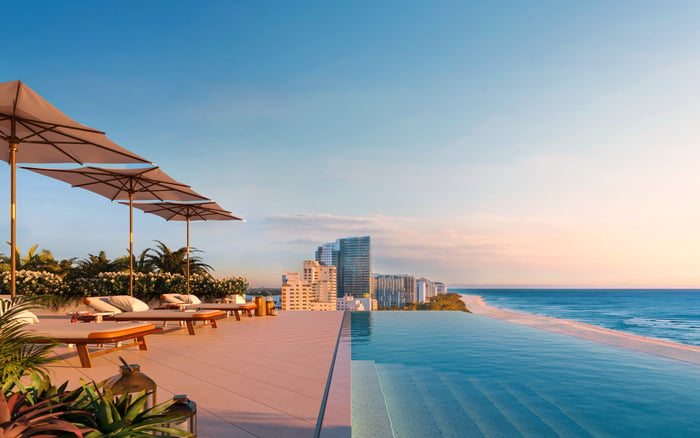
Amenity photography can blur important distinctions. A pool deck, spa, fitness room, club room, and porte cochere matter, but their condition matters more. Examine finishes at hand level: elevator thresholds, corridor walls, garage lighting, pool furniture, restroom fixtures, and landscaping edges. These small details reveal whether the association treats maintenance as a continuous practice or an occasional correction.
Waterfront settings can be visually extraordinary, but they also make upkeep impossible to ignore. A tower that feels crisp in its secondary spaces often indicates a culture that respects the asset. A tower that relies only on its view may leave buyers exposed to future frustration.
Waterfront living should be judged with discipline. Compare Aventura’s residential rhythm with neighboring examples such as Jade Signature Sunny Isles Beach or 2000 Ocean Hallandale Beach, not to decide by brand or postcard image, but to sharpen your sense of what daily presentation and coastal-adjacent upkeep should feel like.
A full-service building is a shared financial ecosystem. The elegance upstairs depends on the strength of the plan downstairs. Before falling in love with a line, review the association’s budget, reserve posture, recent and planned projects, meeting tone, insurance context, and any recurring owner concerns. The goal is not to eliminate every future cost, which is unrealistic. The goal is to understand whether the tower behaves responsibly.
A buyer should be especially attentive to whether the building communicates clearly. Delayed answers, unclear documents, or evasive explanations can matter as much as visible wear. In a high-end condominium, financial maturity is part of the amenity package.
If a residence seems attractively priced relative to its view, ask why. It may be a legitimate opportunity, or it may reflect upcoming costs, dated systems, rental limitations, assessment sensitivity, or a weaker buyer pool. Price should be interpreted through the building’s operating profile, not just the floor height.
Touring at the perfect hour can be misleading. Visit at different times if possible: morning exits, late afternoon arrivals, weekend guest flow, and rainy-day valet conditions. Watch whether the building remains composed when residents, vendors, and visitors converge.
Full service is proven under pressure. A strong tower manages movement without making residents feel managed. Elevators arrive predictably, valet does not become theater, front desk staff know procedure, and common areas stay orderly even when the building is active.
This matters in Aventura because many buyers are balancing primary residence use, seasonal living, second-home patterns, and family logistics. A tower that works beautifully only when quiet may not be the right tower. The best buildings preserve calm precisely when demand rises.
The view is stationary. Your life is not. In Aventura, proximity to marinas, shopping, dining, schools, houses of worship, beaches, medical care, and airport routes can influence satisfaction as much as the residence itself. A magnificent outlook becomes less compelling if every daily movement feels inefficient.
Consider how you will actually use the home. Will you entertain often? Need quick access south or north? Prefer immediate waterfront calm or a more connected urban cadence? Will guests arrive frequently? Do you want a lock-and-leave rhythm, or a full-time residential community with familiar faces?
Nearby luxury markets can help refine the answer. A comparison with One Park Tower by Turnberry North Miami may clarify whether you prefer a master-planned residential environment or a more classic Aventura condominium setting. The point is not to chase every new option. It is to define the lifestyle architecture before choosing the view.
Only after the building passes the operational test should the residence take center stage. Then evaluate the line, ceiling height, natural light, terrace depth, privacy from neighboring towers, kitchen flow, bedroom separation, storage, parking, and elevator proximity. A beautiful residence in a poorly run building is a compromised purchase. A well-planned residence in a disciplined tower can feel quietly exceptional for years.
Resale should also be part of the conversation. The next buyer will not purchase only your view. They will assess the same building documents, service experience, amenities, access, and maintenance culture. A strong tower gives the residence a stronger narrative when it returns to market.
That is why seasoned buyers often become less reactive after seeing several properties. The first tour is about beauty. The second is about friction. The third is about confidence.
The best Aventura towers tend to feel easy before they feel impressive. Staff members appear informed but not intrusive. The garage is legible. The elevators feel cared for. The pool deck is orderly. The board and management communicate with professionalism. Residents seem at ease rather than defensive about the building.
A polished tower also understands privacy. Not every service gesture needs to be visible. Not every amenity needs to be crowded with programming. Luxury, at this level, is often the absence of small aggravations.
Buyers drawn to the broader coastal corridor may look at Regalia Sunny Isles Beach to understand how dramatic views and high-service expectations can coexist. Still, the lesson returns to Aventura: the most valuable view is the one attached to a building that performs beautifully when no one is staging it.
Should I prioritize the view or the building first? Start with the building. A great view cannot compensate for weak service, poor maintenance culture, or unclear financial planning.
What is the first thing to observe during a tower tour? Watch the lobby and arrival sequence. Staff tone, guest control, valet flow, and package handling reveal how the building truly operates.
How important are association documents? They are essential. Budgets, reserves, meeting notes, and planned work help reveal the tower’s financial temperament.
Can an older tower still be a strong buy? Yes, if it is well maintained, responsibly governed, and service-oriented. Age matters less than condition, planning, and execution.
Should I visit the building more than once? If possible, yes. Different times of day reveal traffic, staffing consistency, elevator performance, and resident rhythm.
What makes full-service feel truly luxurious? Predictability. The best service is discreet, consistent, and effective without making daily life feel overmanaged.
How should I compare Aventura with Sunny Isles Beach? Compare lifestyle, access, building culture, and view profile. Sunny Isles Beach may feel more ocean-focused, while Aventura often emphasizes residential convenience.
Does Hallandale Beach offer a useful comparison? Yes. Hallandale Beach can help buyers compare waterfront living, access, and amenity expectations across nearby luxury markets.
What is a red flag in a full-service tower? Vague communication is a major warning sign. If basic questions produce unclear answers, proceed carefully.
When should I make an offer? Make an offer when the residence, building operations, documents, and lifestyle fit all support the same conclusion.
To compare the best-fit options with clarity, connect with MILLION.
If branded residences are on your mind — as a home or as an allocation — we would be glad to share what we are seeing, privately.
Begin a quiet conversation