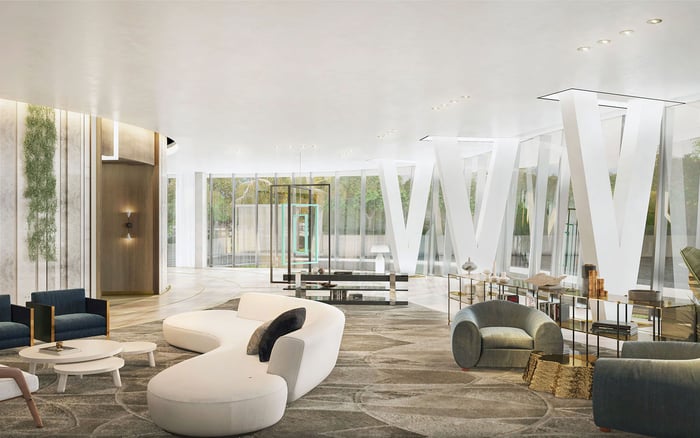
A disciplined framework for assessing wellness spaces, real-world medical access, ownership costs, and resale durability when considering a Coconut Grove residence.

In Coconut Grove, wellness should be evaluated as a pattern of daily life, not a catalogue of amenities. A serene treatment room, sophisticated fitness studio, or landscaped retreat may be compelling, but its value depends on whether residents can use it conveniently, privately, and consistently.
Begin with a practical household brief. Note who will use the amenities, at what hours, how often guests or trainers may be involved, and whether the residence will serve as a primary home or seasonal base. This reframes lifestyle appeal as an operational question. A buyer who exercises before sunrise may prioritize reliable access and quiet circulation, while another may place greater value on private treatment options, outdoor space, or recovery after travel.
When considering The Well Coconut Grove, assess the residence, shared facilities, service model, and surrounding setting separately. Each layer should earn its place in the purchase decision.
Tour every relevant space and consider how it will function when occupied. Review the size and layout of fitness areas, changing rooms, treatment spaces, quiet rooms, and any pool environment. Look for intuitive circulation, acoustic separation, natural light, storage, ventilation, shade, and places to pause without obstructing others.
Operational details matter just as much. Ask which services are included, which require reservations or separate payment, whether outside practitioners are permitted, and what hours and guest rules apply. Confirm how equipment will be maintained and replaced. A wellness program dependent on intensive staffing, specialized systems, or frequent consumables may carry a different long-term cost profile from a simpler, well-designed suite of spaces.
Apply the same audit when comparing Four Seasons Residences Coconut Grove. The relevant question is not which concept sounds most comprehensive, but which operating model best suits the household’s habits and tolerance for recurring expense.
Medical proximity is more than a distance on a map. Define the care that matters to the household, from routine appointments and diagnostics to specialists, rehabilitation, pharmacy access, or urgent needs. Then test representative journeys from the building entrance at the times they are most likely to occur.
Include the entire sequence: elevator wait, garage departure, pickup logistics, traffic variability, arrival, parking, and the return home. If privacy matters, inspect how a driver, caregiver, or clinician would enter and move through the property. Buyers should also consider whether the residence can accommodate temporary mobility limitations, including step-free routes, practical door clearances, elevator access, and a bathroom layout that could remain comfortable after an injury or procedure.
Keep medical access distinct from medical assurance. No address eliminates uncertainty. The objective is to identify friction, understand the alternatives, and determine whether the location supports the household’s foreseeable routines.
Every amenity has both a capital and an operating dimension. Before treating wellness as an investment advantage, request the current budget, projected assessments where applicable, reserve information, insurance structure, staffing plan, maintenance responsibilities, and rules governing service charges. Review these materials with appropriate legal, financial, and inspection advisers.
Pay particular attention to systems requiring specialized maintenance. Ask what happens if a service provider changes, equipment reaches the end of its useful life, or resident demand proves lower than anticipated. A visually restrained program may be more durable than an elaborate one if it is easier to operate and refresh.
Include Arbor Coconut Grove in the same decision matrix without assuming that one scale or amenity philosophy is universally superior. Normalize costs by separating essential building operations from discretionary services and household-specific extras.
Long-term resale depends on more than the original buyer’s enthusiasm. Evaluate whether the residence and its amenities could appeal to several plausible future purchasers. Flexible rooms, comfortable circulation, privacy, storage, usable outdoor space, and manageable carrying costs can remain relevant even as wellness preferences evolve.
Distinguish durable attributes from fashionable programming. A well-proportioned fitness room can accommodate new equipment. A quiet multipurpose room can support stretching, meditation, treatment, or work. Highly specialized spaces, by contrast, may be expensive to repurpose. The same principle applies within the residence: adaptable layouts generally preserve more options than rooms designed around a single narrow use.
Park Grove Coconut Grove may call for a different diligence process from another shortlisted residence. In every case, examine governance, rules, maintenance standards, and the practical ownership experience rather than relying on presentation alone.
Score shortlisted residences across five categories: daily wellness utility, medical access, physical adaptability, recurring cost, and future buyer relevance. Weight each category according to the household’s priorities, then record both the score and the supporting evidence. This prevents one memorable feature from overwhelming the broader decision.
Conduct at least two visits under different conditions. Walk the amenity route in ordinary clothing, inspect transitions from residence to car, and consider how the property feels when privacy matters. For a purchase with extensive services, model both a base case and a higher-cost case. For a residence intended to hold its value over time, ask what will remain desirable if a particular wellness trend fades.
The strongest choice is rarely the building with the longest amenity list. It is the residence where wellness, access, operations, and adaptability reinforce one another without placing undue pressure on future ownership.
What is the first wellness question a buyer should ask? Ask which facilities the household will use weekly, then evaluate access, privacy, capacity, and operating rules in the context of those routines.
How should medical proximity be measured? Test complete door-to-door journeys at realistic times, including building departure, traffic, parking, pickup, and return logistics.
Should a large amenity program be preferred? Not automatically. Scale is valuable only when the spaces remain convenient, well maintained, financially supportable, and relevant to residents.
Which documents deserve close review? Review budgets, reserve information, insurance arrangements, governing documents, service terms, maintenance plans, and any disclosed assessment information with qualified advisers.
How can buyers assess privacy? Trace the route from the residence to wellness spaces, vehicle areas, and service entrances, noting sightlines, waiting points, and guest procedures.
Do wellness amenities always improve resale? No outcome is guaranteed. Broadly useful, adaptable, and well-operated amenities may support appeal, while costly or specialized facilities can narrow it.
How should seasonal owners evaluate services? Compare year-round recurring charges with realistic usage, and confirm whether reservations, guest access, or supplementary fees affect convenience.
What makes a residence adaptable for future health needs? Step-free circulation, practical clearances, elevator access, flexible rooms, accessible storage, and comfortable bathrooms can help preserve usability.
How should buyers compare completed and planned properties? Apply the same scorecard, but distinguish observable operations and condition from proposed features, projected costs, and future delivery obligations.
What should remain after wellness trends change? Look for sound planning, privacy, natural comfort, flexible space, sensible costs, and an ownership model that future buyers can readily understand.
To compare the best-fit options with clarity, connect with MILLION.
If branded residences are on your mind — as a home or as an allocation — we would be glad to share what we are seeing, privately.
Begin a quiet conversation