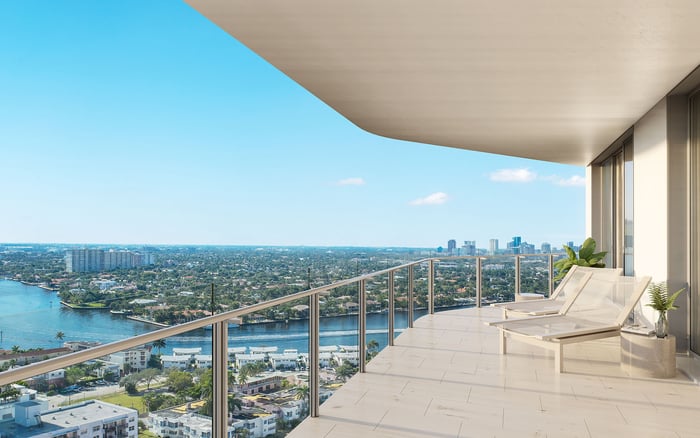
A buyer-focused guide to reading SIRS reserve studies in Pompano Beach with the discipline of a luxury acquisition, from scope and funding assumptions to board culture, assessments, and long-term resale confidence.

For a sophisticated condominium buyer, a SIRS reserve study is not a technical appendix to skim after the offer. It is one of the clearest windows into how a building understands its own future. In Pompano Beach, where the appeal of coastal living is inseparable from salt air, wind exposure, water intrusion risk, and the prestige of well-run oceanfront towers, the quality of the reserve conversation can shape both ownership comfort and resale confidence.
A beautiful lobby, generous balcony, and direct oceanfront view may define the first impression. The SIRS file answers the quieter question: is the building financially prepared to preserve that lifestyle? For buyers comparing Pompano Beach options across Broward, especially in the resale market, the best approach is to evaluate the study like an investment document rather than a compliance form.
The goal is not to find a building with no future costs. That building does not exist. The goal is to determine whether the association has identified the right issues, priced them with discipline, and created a funding path that feels credible for the caliber of asset you are purchasing.
Many buyers begin with the reserve balance or the monthly assessment. That is understandable, but premature. First, compare what each SIRS reserve study actually covers. A lower reserve recommendation is not necessarily better if the study is narrow, vague, or deferential to optimistic assumptions.
Look for clarity around major structural and building systems. The study should make it easy to understand which components have been reviewed, how remaining useful life is being considered, and whether near-term repairs are treated with urgency or pushed into abstract future planning. A strong study reads with specificity. A weak one often relies on broad categories that leave the buyer guessing.
In Pompano Beach, pay particular attention to items that influence long-term coastal performance: concrete conditions, waterproofing, roofing, exterior openings, garage areas, pool decks, balconies, railings, elevators, mechanical systems, and façade elements. You are not expected to be an engineer, but you should expect the document to distinguish between routine maintenance and capital exposure.
A reserve balance by itself is only a snapshot. It becomes meaningful when matched against upcoming projects, the building’s age, the size of the association, and the funding schedule. A healthy-looking balance can be inadequate if large projects are approaching. A modest balance may be acceptable if the association has a disciplined contribution plan, recent major work completed, and transparent owner communication.
Ask how the study’s recommendations translate into monthly dues, special assessments, or phased increases. The most comfortable answer is not always the most responsible answer. A building that underfunds reserves to preserve artificially low dues may feel attractive at contract, then become expensive after closing.
Luxury buyers should also distinguish between affordability and appropriateness. In a premium building, reserve contributions should support the standard of the property. Deferred care can erode the experience of arrival, amenity reliability, elevator performance, façade appearance, and ultimately market perception. The best buildings tend to treat capital planning as part of the brand of ownership.
A SIRS reserve study rests on assumptions: useful life, replacement cost, inflation, timing, and funding strategy. The buyer’s task is to stress test those assumptions without turning the process into alarmism.
Start with timing. If several large components are projected for similar replacement windows, the building may face clustered financial pressure. Then look at cost sensitivity. If construction pricing moves higher than expected, will the association have room to adapt, or is the plan already thin?
Next, consider whether the association appears proactive or reactive. Proactive associations use reserve planning to anticipate work before it becomes disruptive. Reactive associations tend to explain why projects can wait. In a coastal market, waiting can be expensive.
Finally, connect the reserve study to the seller disclosure package, board minutes, current budget, insurance conversation, and any known assessment history. A SIRS document should not be read alone. It should be read as part of the building’s financial biography.
Pompano Beach has matured into a more nuanced luxury market, with buyers comparing beach proximity, amenity quality, privacy, building condition, and the pace of neighborhood improvement. That makes SIRS review especially important. Two residences with similar views and finishes can carry very different ownership profiles if their buildings have different reserve discipline.
Older oceanfront condominiums may offer scale, views, and established locations that are difficult to replicate. Newer or recently improved buildings may offer more contemporary systems and design expectations. Neither category is automatically superior. The deciding factor is how honestly the association has assessed its future obligations.
For a buyer focused on long-term hold value, the question becomes: will this building feel better governed five years from now, or will today’s purchase price be offset by avoidable capital pressure? That is where reserve studies become strategic. They help separate surface beauty from operational quality.
Before moving beyond due diligence, request a direct explanation of the study’s key recommendations. Ask whether the board has adopted the funding plan, modified it, or postponed action. Ask what work is planned in the next budget cycle and whether owners have already been informed. Ask whether any major projects are being discussed even if they have not yet become formal assessments.
If the answers are polished but imprecise, slow down. If the building can show a clear plan, even one that includes higher contributions, that may signal mature governance. Luxury buyers often prefer predictable costs over surprise costs.
A buyer should also ask their advisor to compare the SIRS study against competing buildings. The insight is often relative. A single study may appear acceptable until it is placed beside another building with sharper scope, stronger reserves, and cleaner communication. In Pompano Beach, that comparison can clarify which property deserves a premium.
SIRS diligence is not merely defensive. It can create leverage. If the study identifies near-term capital needs, the buyer may revisit price, credits, closing timing, or contract protections. If the study is strong, it can justify moving decisively, especially when the residence itself is rare.
The most discerning buyers do not use SIRS review to eliminate every building with future obligations. They use it to price risk intelligently. A well-located residence in a serious building may remain compelling even with higher reserves, provided the capital plan is transparent and proportionate.
In the luxury segment, confidence comes from alignment: the physical asset, the financial plan, and the governance culture should all support the same standard. When they do, a purchase in Pompano Beach can feel less like a bet on the next assessment and more like ownership in a well-stewarded coastal address.
What is the first thing to compare in a SIRS reserve study? Start with scope. Confirm that major structural and building systems are clearly identified before focusing on the reserve balance.
Is a lower monthly fee always better for a buyer? No. Low fees may be attractive, but they can also suggest underfunding if future capital needs are not being addressed.
Should I avoid a building with planned assessments? Not automatically. A planned assessment may be preferable to a vague or delayed funding strategy if the purpose and timing are clear.
How should oceanfront exposure affect my review? Coastal exposure makes maintenance discipline especially important. Look closely at concrete, waterproofing, balconies, roofing, and exterior systems.
Can a strong SIRS study support a higher purchase price? Yes. Transparent reserves and credible planning can strengthen buyer confidence and support long-term market perception.
What documents should I read with the SIRS study? Review the budget, board minutes, seller disclosures, assessment history, insurance information, and any current capital project updates.
How do I evaluate the funding plan? Look for realistic timing, adequate contributions, and clear communication about how recommendations will be implemented.
Are older condos automatically riskier? No. An older building with disciplined maintenance and reserves may be more reassuring than a newer building with unclear planning.
When should I bring in a specialist? Bring in qualified guidance when the study is technical, the financial exposure is material, or the building has major projects under discussion.
What is the best way to shortlist comparable options for touring? Start with location fit, delivery status, and daily lifestyle priorities, then compare stacks and elevations to validate views and privacy.
To compare the best-fit options with clarity, connect with MILLION.
If branded residences are on your mind — as a home or as an allocation — we would be glad to share what we are seeing, privately.
Begin a quiet conversation