A buyer-focused guide to evaluating condominium reserve funding across South Florida oceanfront, bayfront, and city residences before committing to a luxury purchase.
In South Florida luxury real estate, buyers often begin with what they can see: a direct ocean view, a private elevator foyer, a full-service beach club, a bayfront terrace, or the walkable rhythm of a city address. Yet the quieter question of reserve funding can be just as consequential. It speaks to how a building prepares for tomorrow, how ownership costs may evolve, and how confidently an association can maintain the standard that attracted buyers in the first place.
Reserve funding is not merely an accounting line. It is a window into governance, planning, maintenance culture, and the long-term discipline of a condominium or homeowners association. A beautifully staged residence may create immediate appeal, but a well-funded reserve program helps protect the experience of living there over time.
For a buyer comparing oceanfront, bayfront, and city living, reserve analysis belongs beside architecture, location, services, privacy, and lifestyle. The goal is not to avoid every future expense. The goal is to understand whether the building is planning for those expenses intelligently.
Before making a final decision, a serious buyer should request the current budget, recent financial statements, reserve schedule or reserve study if available, meeting minutes, insurance information, pending or discussed special assessments, and any documentation related to major capital projects. These materials should be reviewed with qualified legal, financial, and inspection professionals.
The most important question is not whether a building has expenses. Every high-quality property does. The better question is whether those expenses are anticipated, documented, and funded in a way that aligns with the building’s age, systems, exposure, and level of service.
Look for consistency. Are reserve contributions built into the regular budget, or do large projects appear to rely heavily on special assessments? Are recurring building systems, façade work, elevators, roofs, mechanical equipment, pools, seawalls, parking structures, and amenity renovations addressed with clarity? Do meeting minutes suggest proactive planning, or do they show a pattern of deferred decisions?
A polished lobby and a strong reserve position are not the same thing. In the luxury segment, buyers should insist on understanding both.
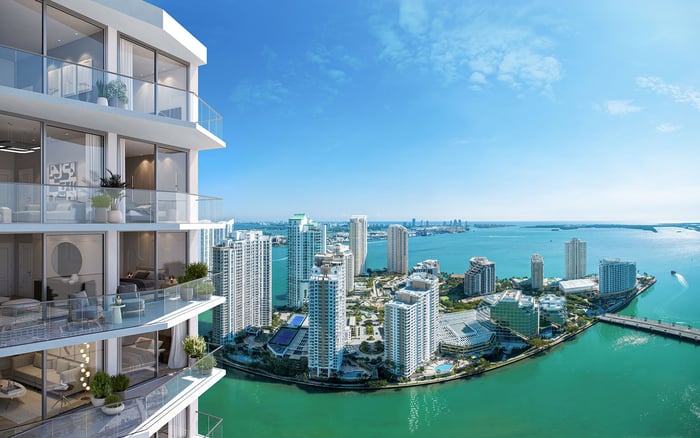
Oceanfront residences deliver the romance that defines much of South Florida’s global appeal: sunrise terraces, sand underfoot, resort-caliber amenities, and immediate access to the Atlantic. That beauty comes with environmental exposure that deserves close review. Salt air, wind, humidity, storms, and exterior maintenance can all shape a building’s capital priorities.
For an oceanfront condominium, reserve questions should focus on the building envelope and the infrastructure that supports the coastal lifestyle. Ask how the association plans for exterior surfaces, balcony maintenance, windows and doors where applicable, pool decks, beach access elements, mechanical systems, and waterproofing. The building’s service level also matters. A residence with extensive amenities may require a more robust plan than a simpler property with fewer shared components.
A buyer drawn to Miami Beach or Sunny Isles should not treat reserve review as a back-office exercise. It is part of understanding the durability of the experience. The finest coastal buildings are not merely designed to impress at closing. They are managed to remain compelling over years of ownership.
Bayfront living has a different temperament. It may feel calmer than an oceanfront address, with softer water views, marina adjacency in some settings, sunset light, and a more residential cadence. The reserve conversation, however, can be equally important.
Bayfront and waterfront properties may involve shared elements that require specialized attention. Depending on the property, buyers may want to ask about waterfront structures, drainage, parking areas, pool and deck systems, landscaping exposed to salt and wind, and any water-facing common areas. If boating, docks, or marina-style amenities are part of the broader lifestyle, their ownership structure and maintenance responsibility should be clearly understood.
The appeal of water-view living is emotional, but the due diligence should be highly practical. Does the budget reflect the complexity of the site? Are major components tracked with useful detail? Has the association planned for long-range upkeep, or is the conversation mostly reactive?
Reserve strength can be especially meaningful when privacy and boutique scale are part of the value proposition. Smaller associations may feel more intimate, but fewer owners can also mean large expenses are shared among a smaller group. That is not a flaw. It is a dynamic to evaluate before choosing the residence.
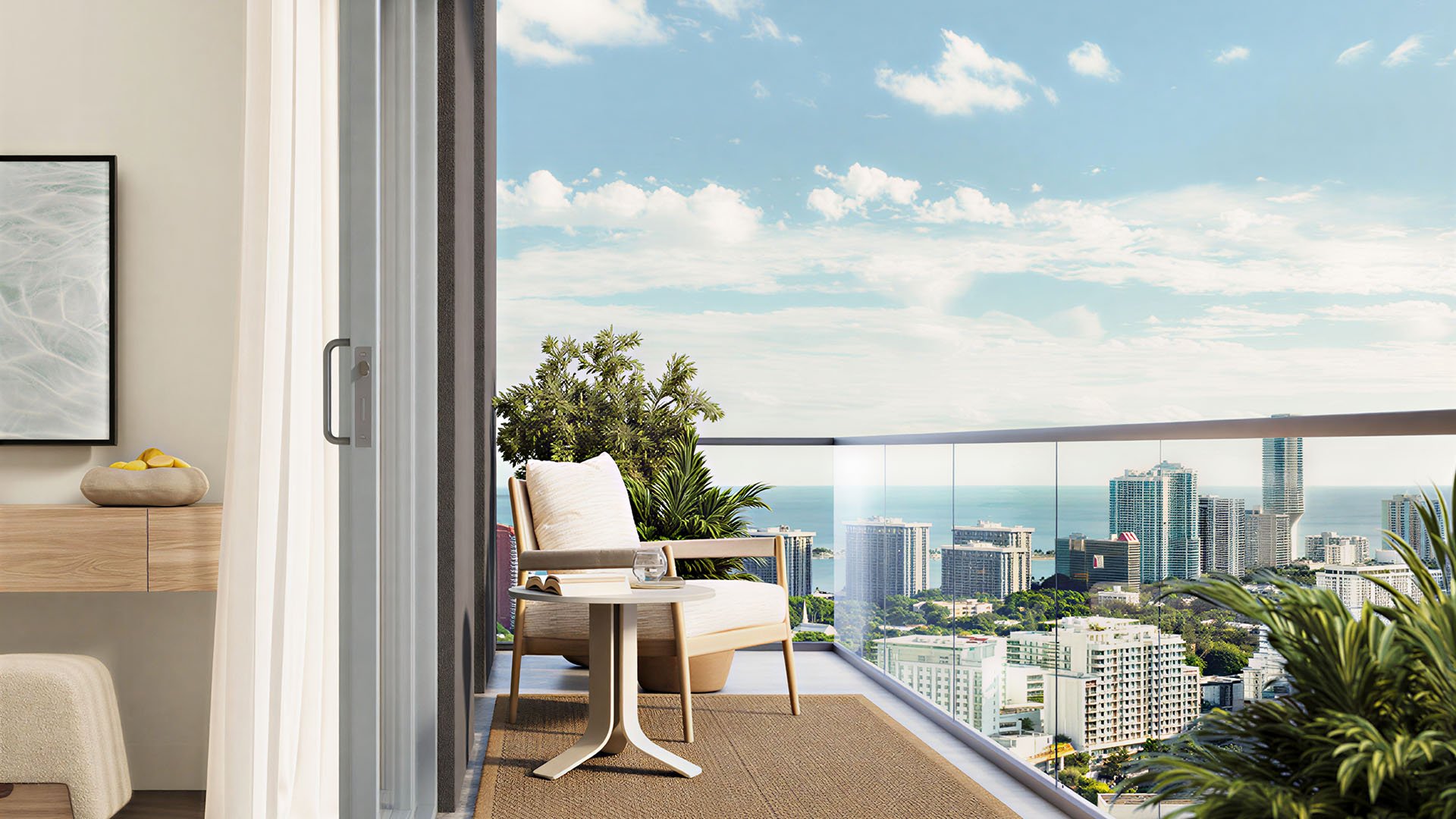
City living, particularly in a district such as Brickell, offers a different form of luxury: proximity, skyline views, restaurants, offices, cultural venues, and the ability to move through daily life with less dependence on a car. These towers may be less directly shaped by beach exposure, but they carry their own reserve considerations.
In a dense urban tower, the buyer should pay close attention to elevators, life-safety systems, mechanical equipment, cooling systems, parking components, security infrastructure, amenity floors, façade maintenance, and lobby or common-area renovation planning. High-use amenities can be a strength, but they also require ongoing investment.
City buyers often compare buildings by brand, views, floor height, and service. Reserve funding adds another layer: how well the building sustains those services without sudden financial disruption. In a search brief, labels such as oceanfront, Brickell, Miami Beach, Sunny Isles, water-view, and new construction can be useful shorthand, but the reserve file is where the operating reality begins to appear.
New construction can offer modern systems, current design language, fresh amenities, and the appeal of first ownership. Still, buyers should not assume that a new building eliminates reserve questions. The focus simply changes.
For a newly delivered or recently completed residence, ask how reserves are being established, what the early operating budget assumes, how warranties are handled, and which future components will become association responsibilities. New buildings may have fewer immediate repair needs, but they still require disciplined planning from the beginning.
A thoughtful buyer also considers whether the first few years of ownership may bring budget adjustments as actual operating costs become clearer. Luxury service levels, staffing, insurance, maintenance contracts, and amenity operations all need to settle into reality. The most elegant new tower should still be evaluated as a long-term shared asset.
When comparing an oceanfront tower, a bayfront residence, and a city building, create a simple framework rather than relying on impressions. First, identify the major shared components in each property. Second, note the stated reserve balance and regular reserve contributions. Third, review any disclosed capital projects, deferred work, or assessment discussions. Fourth, compare the scale of amenities and the number of owners sharing costs. Fifth, ask your advisors whether the reserves appear aligned with the building’s age and complexity.
The answer may not be obvious. A higher monthly fee may be prudent if it reflects stronger funding and better planning. A lower fee may be attractive, but only if it does not mask deferred obligations. Likewise, a recent special assessment is not automatically negative if it addressed important work and improved the building’s position.
For the luxury buyer, the more refined question is not simply, “What are the fees?” It is, “What kind of stewardship do these fees support?”
Reserve funding does not replace taste, lifestyle, or emotional connection. It refines them. The right residence should feel beautiful, but it should also make sense on paper. In South Florida, where water, architecture, services, and climate converge, the strongest purchase decisions respect both the view and the balance sheet.
A well-advised buyer can still choose romance. The difference is that the romance is supported by a clearer understanding of responsibility, governance, and long-term ownership.
What is reserve funding in a condominium? Reserve funding is money set aside by an association for future repair, replacement, and major maintenance of shared components.
Why does reserve funding matter for luxury buyers? It helps indicate whether a building is planning for future obligations rather than relying mainly on sudden special assessments.
Are oceanfront buildings riskier than city buildings? Not automatically. Oceanfront buildings often have different exposure considerations, while city towers may have complex vertical systems and high-use amenities.
Should I avoid a building with a special assessment? Not necessarily. The key is understanding why it was issued, what it funds, and whether it improves the building’s long-term position.
Is a lower monthly fee always better? No. A lower fee may be attractive, but buyers should confirm that it still supports appropriate reserves, maintenance, insurance, and services.
What documents should I review before buying? Request the budget, financial statements, reserve information, meeting minutes, insurance details, and any assessment or capital project materials.
Do new buildings need reserve review? Yes. New buildings still need a plan for future systems, amenities, warranties, and association responsibilities.
Who should help review reserve documents? Buyers should rely on qualified legal, financial, and inspection professionals who understand condominium ownership.
Can reserve strength affect resale value? It can influence buyer confidence, especially when competing properties offer similar views, finishes, and amenities.
What is the best way to compare buildings? Compare reserves, fees, amenities, building age, shared components, and disclosed future work in one side-by-side review.
When you're ready to tour or underwrite the options, connect with MILLION.
If branded residences are on your mind — as a home or as an allocation — we would be glad to share what we are seeing, privately.
Begin a quiet conversation