A practical luxury buyer’s guide to evaluating lower-floor condominium value in North Bay Village, with emphasis on view quality, privacy, livability, resale logic, and long-term ownership fit.
In North Bay Village, lower-floor residences are often misunderstood. Many buyers arrive assuming that higher automatically means better, and that the correct comparison is a simple vertical premium. In practice, the sharper question is whether a lower-floor home delivers the right combination of view, privacy, convenience, condition, and price discipline for the way it will be owned.
A lower-floor residence can be compelling when it captures a meaningful water outlook, feels connected to the building’s amenities, and avoids the premiums often attached to upper levels. It becomes less compelling when the view is compromised, the exposure feels enclosed, or daily life is affected by sound, traffic, service areas, or limited natural light. The difference is not theoretical. It is felt every morning from the balcony, every evening in the living room, and every time a future buyer compares the same stack to alternatives above and below.
The best comparison begins with restraint. Do not ask whether the unit is inexpensive. Ask whether it is properly valued for its exact position in the building.
Lower-floor value should never be judged against the building as a whole. It should be judged against the most similar residences available: the same line, similar orientation, similar ceiling condition, similar outdoor space, similar renovation level, and similar exposure. Square footage matters, but it is only the starting point.
A disciplined buyer should compare the living room view first. Is the primary outlook open, layered, and pleasant, or is it interrupted by neighboring structures, garage levels, amenity decks, roof equipment, or landscaping that may change over time? Then compare the bedroom outlooks separately. A residence can feel strong in the main entertaining area but weaker in the private rooms, which may affect both livability and resale.
Next, study the vertical relationship within the same line. If a higher-floor version of the same plan commands a premium, decide what that premium is buying. It may buy a cleaner horizon, more privacy, less perceived noise, or simply prestige. If those benefits are modest in the specific stack, the lower floor may be the sharper acquisition. If the difference is dramatic, the lower price may be compensating for a real limitation.
In a waterfront condominium market, a lower-floor water view can be beautiful when it is close, calm, and visually generous. Some buyers prefer the sense of proximity to water, landscaping, pool terraces, or marina activity. Others want a more elevated, removed perspective. Neither preference is universally correct, but the price should reflect the distinction.
Light is just as important as view. A lower-floor residence can feel elegant if the glazing, exposure, and terrace depth allow daylight to move comfortably through the interiors. It can feel heavy if the balcony overhang, adjacent building massing, or orientation makes the home darker than expected. Visit at more than one time of day when possible, because morning brightness and late-afternoon ambiance can create entirely different impressions.
Privacy deserves equal attention. A lower-floor balcony may feel intimate and resort-like, or it may feel too visible from amenity areas, neighboring units, walkways, or surrounding buildings. Luxury buyers often tolerate a smaller view compromise more readily than a privacy compromise. The residence must feel restful when occupied, not merely attractive in photographs.
Sound is one of the most underpriced elements in lower-floor comparisons. Elevator proximity, garage entry, loading areas, pool decks, mechanical equipment, lobby circulation, service corridors, and nearby road activity can all influence daily life. A short showing may not reveal the full rhythm of a building. Pause in the living room. Step onto the terrace. Open and close the balcony doors. Stand in the primary bedroom without conversation.
The goal is not silence. Urban waterfront living has movement, and many buyers enjoy that sense of energy. The goal is predictability. If the sound profile is consistent, acceptable, and reflected in the price, it may be a rational trade. If it is intermittent, sharp, or difficult to identify, it deserves more caution.
Also consider how sound may affect future showings. A buyer touring during a busy amenity period may perceive the home differently than one visiting on a quiet weekday. Strong value is not only about what you can live with. It is about what the next qualified buyer will understand quickly.
Lower floors often offer a lifestyle advantage that should not be dismissed. Shorter elevator rides, easier movement to amenities, faster access to parking, and a more immediate connection to the building can matter for full-time residents, families, pet owners, and buyers who value convenience over altitude.
This is where lower floors can become a practical luxury. If a residence feels connected without feeling exposed, it may live exceptionally well. The most desirable lower-floor homes often balance privacy with ease: close enough to the building’s daily amenities to feel effortless, but positioned carefully enough to avoid a sense of constant traffic.
For a second home, access can also shape the ownership experience. Arriving with luggage, guests, groceries, or beach gear feels different when the route from arrival to residence is simple. A lower-floor home with excellent access and a strong terrace may outperform a higher-floor home that feels more impressive but less convenient.
A lower-floor purchase should be considered within the building’s broader hierarchy. Some buildings are designed in a way that gives lower levels attractive proportions, generous terraces, or special relationships to amenity spaces. Others concentrate the strongest value higher in the tower. The architecture matters.
Look for signs that the lower-floor residence was designed intentionally rather than treated as leftover inventory. Does the plan preserve privacy? Are the windows well placed? Is the terrace usable, or is it simply a narrow ledge? Is the ceiling height consistent with the rest of the building? Does the approach from the elevator feel residential and calm?
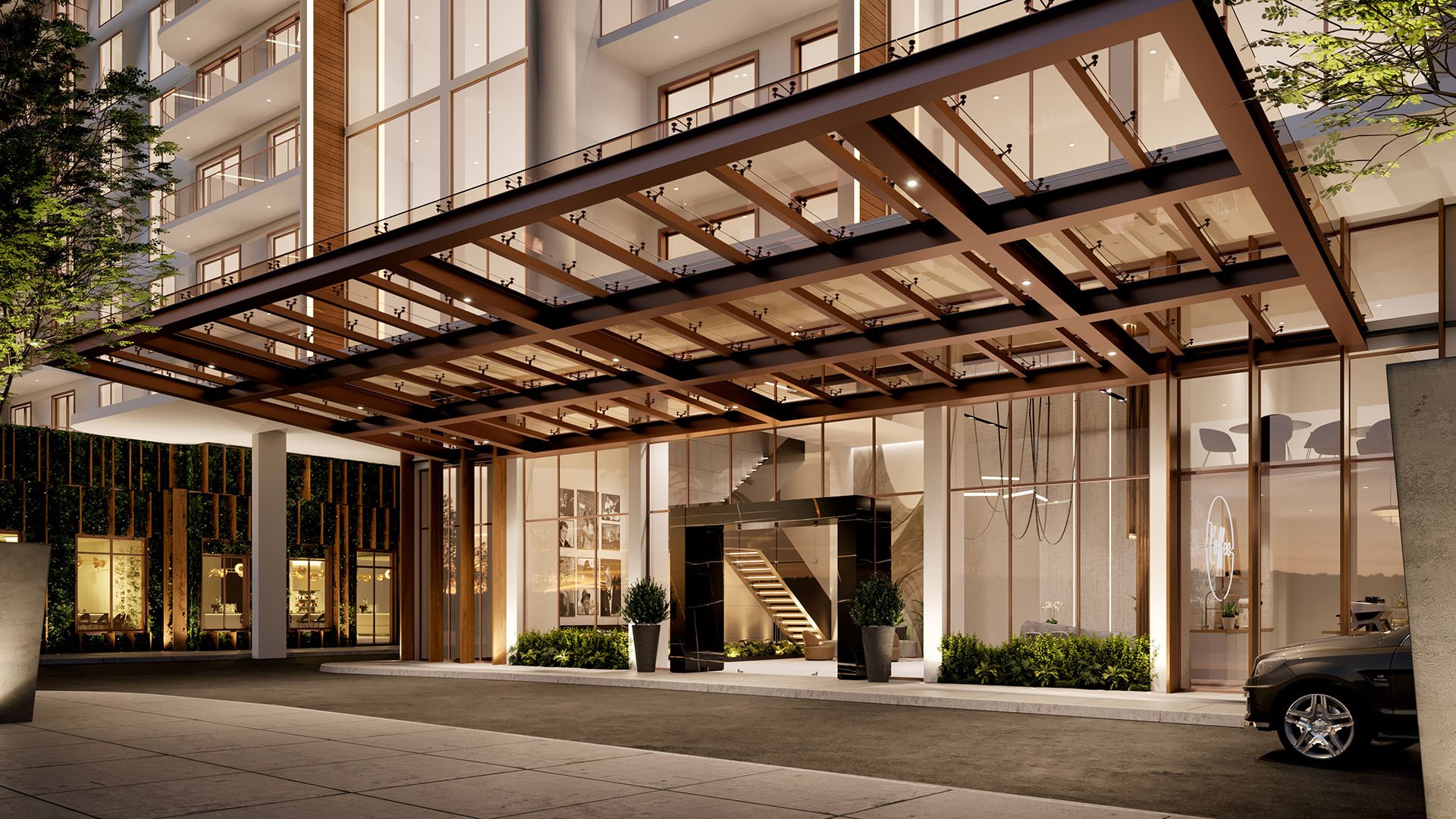
For new construction, buyers should be especially careful to study renderings, plans, exposure, and the future context around the building. Rendered views can be emotionally persuasive, but the purchase decision should rest on the actual floor, line, orientation, and surrounding conditions. A lower-floor residence can be excellent when the design protects its livability from the beginning.
The strongest investment case for a lower-floor residence is not simply a lower entry price. It is a clear, explainable value story. Future buyers should be able to understand why the residence works: attractive view for the level, strong outdoor space, convenient access, desirable layout, quality finishes, and a price relationship that makes sense compared with higher floors.
Avoid units that require too many explanations. If the view is compromised, the terrace is exposed, the light is limited, and the price is only modestly below stronger alternatives, the discount may not be enough. Conversely, if the residence has one manageable trade-off and several durable strengths, it may deserve serious attention.
On a comparison sheet, keep the priorities visible if they reflect the search: North Bay Village, lower floors, water view, balcony, investment logic, and new construction context. The exercise is not about keywords; it is about keeping the buyer’s priorities consistent from one showing to the next.
Resale also depends on scarcity. If many similar lower-floor units are likely to compete at the same time, the purchase price should be more conservative. If the residence has a distinctive plan, exceptional terrace relationship, or notably pleasant outlook, it may hold attention more effectively when the market becomes selective.
A well-priced lower-floor residence does not need to apologize for its position. It should feel composed, livable, and appropriately valued. The buyer should be able to stand in the main room, look outward, and understand the appeal without forcing the narrative.
In North Bay Village, the right lower-floor purchase often turns a perceived compromise into a lifestyle advantage. It may offer a closer relationship to water, easier daily movement, a more accessible price point, or a calmer way to enjoy a luxury building. The wrong one relies only on discount.
The distinction comes from careful comparison. Study the same line. Test the light. Listen carefully. Walk the route from parking to lobby to residence. Look from the terrace, then look back toward the terrace from likely sightlines. Luxury value is found in these small, cumulative observations.
Are lower-floor condos always less valuable in North Bay Village? Not always. A lower-floor home can be highly compelling when its view, privacy, layout, and price relationship are all strong.
What is the first thing to compare between lower and higher floors? Start with the same line if possible, then compare the actual view, light, privacy, and outdoor usability rather than relying only on floor number.
Can a lower-floor water view be better than a higher-floor view? It can be, especially if the lower view feels closer to the water and remains open, calm, and visually appealing from the main rooms.
How important is balcony privacy on a lower floor? It is very important. A beautiful balcony loses value if it feels overly exposed to amenity decks, neighboring residences, or circulation areas.
Should I visit a lower-floor unit more than once? Yes. Different times of day can reveal changes in light, sound, privacy, and the way the residence feels in normal building rhythm.
Do lower floors appeal to luxury buyers? They can, particularly when access is easy, the terrace is usable, and the residence feels intentionally designed rather than compromised.
What makes a lower-floor purchase risky? Risk rises when the discount is small but the trade-offs are obvious, such as limited light, weak outlook, noise, or poor privacy.
Is new construction different when comparing lower floors? Yes. Buyers should study plans, orientation, surrounding context, and the specific line carefully before assigning value to a future residence.
How should investment buyers think about resale? Focus on whether the value story will be clear to the next buyer, including view quality, condition, layout, access, and price discipline.
What is the best way to shortlist comparable options for touring? Start with location fit, delivery status, and daily lifestyle priorities, then compare stacks and elevations to validate views and privacy.
For a discreet conversation and a curated building-by-building shortlist, connect with MILLION.
If branded residences are on your mind — as a home or as an allocation — we would be glad to share what we are seeing, privately.
Begin a quiet conversation