A buyer-focused guide to evaluating grill approvals across South Florida oceanfront, bayfront, and city residences before selecting a luxury home.
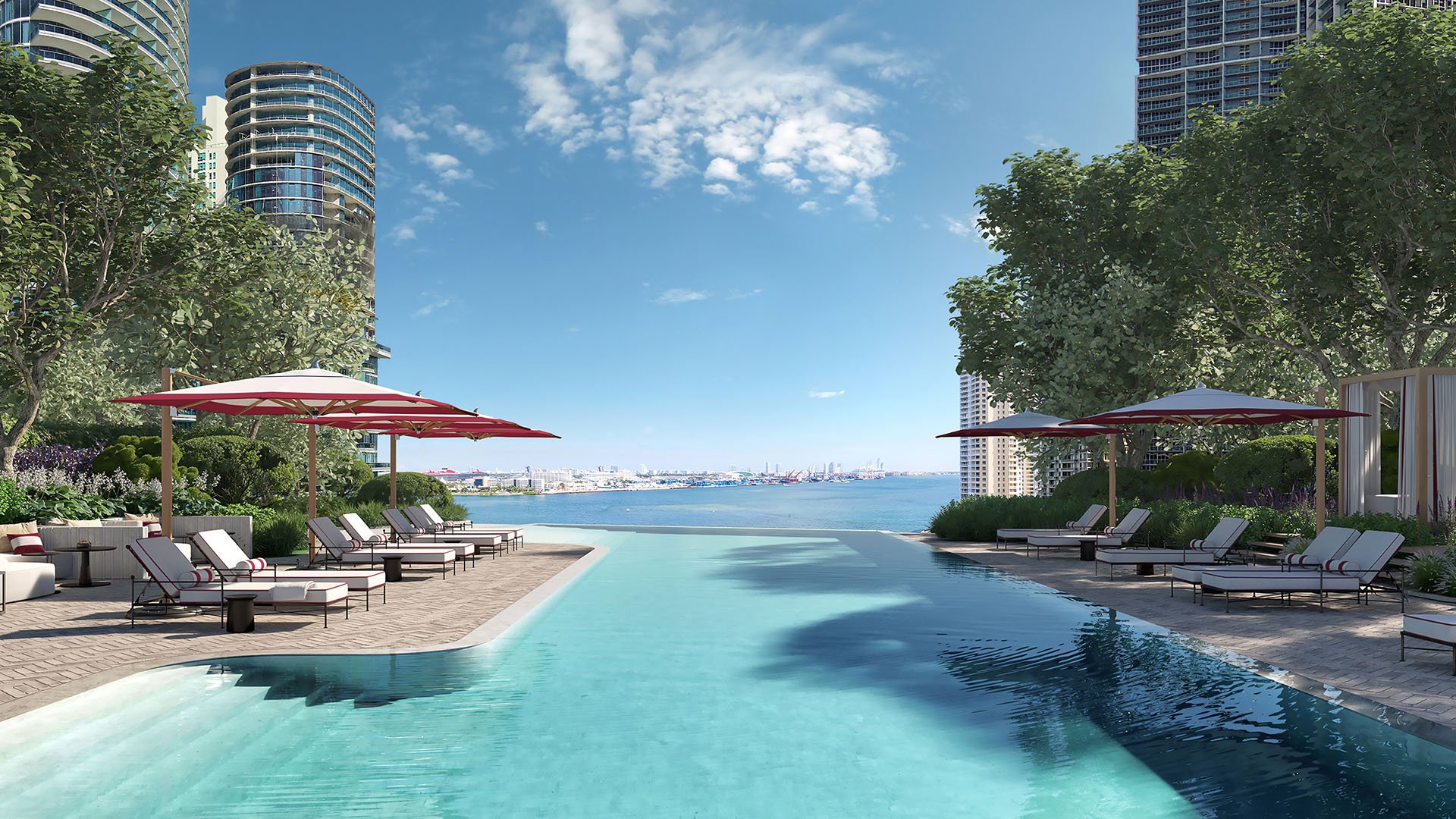
In South Florida luxury real estate, a grill is rarely just an appliance. It can shape how a residence lives at sunset, how a host entertains during season, and whether a generous outdoor area truly extends the kitchen. For buyers comparing oceanfront, bayfront, and city residences, grill approval belongs in the first conversation, before a preferred floor plan becomes emotionally fixed.
The question is not simply whether a building has large terraces. Approval can turn on association rules, building design, fire-safety considerations, ventilation, fuel type, terrace configuration, and the distinction between private and shared outdoor areas. A dramatic balcony or deep terrace may be visually persuasive, yet still requires careful review before a buyer assumes outdoor cooking is permitted.
This is especially relevant for South Florida buyers who entertain often, divide time among multiple homes, or expect a residence to perform with the ease of a private villa. A home may have the right view, finishes, and service profile, but if outdoor cooking is central to the lifestyle, the approval framework deserves the same scrutiny as parking, pet policies, storage, and rental restrictions.
Oceanfront residences often deliver the most emotionally compelling outdoor spaces: the sound of the Atlantic, open horizons, and terraces that feel cinematic from morning through evening. These buildings can also be among the most carefully controlled environments. Exposure, neighboring terraces, and architectural uniformity may all influence how grill requests are reviewed.
A buyer should begin with a precise question: is grilling allowed on private terraces, only in designated amenity areas, or not at all? If private use is permitted, the next questions should address approved grill types, storage expectations, installation requirements, utility connections, and whether written approval is required before use. The answer may differ for a portable electric unit, a built-in appliance, or any equipment that changes the terrace’s visual or mechanical character.
Oceanfront buyers should also think beyond permission. Wind, salt air, maintenance, proximity to glass railings, and the building’s desired exterior appearance can all affect practicality. Even when a rule permits a certain appliance, the lived experience may favor occasional use, an amenity-level grill station, or a residence where the outdoor kitchen was clearly contemplated from the outset.
Bayfront living often appeals to buyers who want a softer waterfront rhythm: sunset views, marina proximity, and a more sheltered atmosphere than the open beach. This environment can be especially attractive for entertaining, with terraces that feel connected to the water without the same direct ocean exposure. Still, the approval process should not be treated casually.
For bayfront residences, ask whether the building distinguishes between grilling, outdoor kitchens, warming equipment, and decorative appliances. A buyer should also confirm whether approvals are tied to original developer specifications, later association decisions, or individual owner alteration requests. If a residence has an existing outdoor cooking feature, seeing it during a showing is not enough. The buyer should request confirmation that it was properly approved and that its continued use transfers without issue.
The bayfront question is often one of lifestyle orchestration. Will owners cook privately on their terrace before guests arrive by boat? Will they rely on a pool deck grill area instead? Does the building encourage private outdoor dining, or does it centralize food preparation within amenity spaces? These distinctions matter because bayfront buyers often prioritize hospitality, convenience, and ease between interior living, waterview terraces, and water-oriented amenities.
In urban neighborhoods such as Brickell, the outdoor experience is shaped by height, density, and the rhythm of city life. A balcony may be part of the daily ritual, used for morning coffee, evening air, and skyline views. But grill approvals in city towers may involve added layers of practical review because neighboring residences, wind conditions, and building systems are closely integrated.
City buyers should ask whether grilling is permitted on individual balconies at all, and if so, under what limits. The distinction between a true cooking setup and a small electric appliance can be material. Buyers should also examine whether the building offers shared outdoor cooking areas as part of its amenity program, which may satisfy occasional entertaining needs without requiring private terrace approval.
The larger point is expectation management. In a dense city setting, a buyer may choose a residence for walkability, service, restaurants, office access, and skyline atmosphere rather than private outdoor cooking. That tradeoff can be entirely appropriate, but it should be intentional. If the buyer imagines weekly grilling at home, the rulebook should be reviewed before the view becomes the deciding factor.
A disciplined comparison begins with consistent questions across each property. Is grilling permitted in private outdoor space? Which fuel types or appliance categories are allowed? Is written approval required? Are built-in outdoor kitchens treated differently from movable appliances? Are there restrictions on placement, storage, covers, ventilation, or hours of use? Are there fines or enforcement procedures for noncompliance?
Buyers should also ask for the actual governing language, not only a verbal summary. Sales teams, property managers, owners, and neighbors may all describe the rules differently. The controlling documents and current association guidance provide the more reliable basis for a decision. If a residence is under contract, counsel and the buyer’s representative should help review the language during the appropriate diligence period.
For resale residences, existing conditions deserve special attention. A grill present on a terrace does not automatically mean it is permitted. A built-in station may have been approved, grandfathered, modified, or simply tolerated. The buyer should confirm status in writing where possible, especially if the grill area is a meaningful part of the purchase decision.
The strongest approach is to compare grill approval alongside the broader lifestyle profile. Oceanfront living may offer the most iconic setting, but sometimes with stricter exterior expectations. Bayfront living may provide a more relaxed entertaining cadence, yet still requires confirmation of private versus shared use. City living may deliver unmatched convenience, while private grilling may be more limited or more carefully prescribed.
A practical buyer can create a simple decision hierarchy. First, decide whether private grilling is essential, preferred, or merely nice to have. Second, separate approved private use from amenity-level access. Third, identify whether the permitted appliance type matches the buyer’s cooking style. Finally, weigh the answer against the residence’s other advantages, including view, floor plan, services, neighborhood, privacy, and long-term usability.
For some buyers, a well-managed shared grill area may be enough. For others, nothing replaces stepping from the kitchen to a private terrace and preparing dinner with the water in view. Neither preference is inherently better. The key is aligning the approval structure with the life the buyer expects to live.
Before making an offer, buyers should request the relevant rules, alteration guidelines, and any available approval history for existing outdoor cooking features. They should ask whether future changes require board approval, whether vendors must meet building requirements, and whether appliance replacement is treated as a new request. If the residence is in a new development or recently completed building, buyers should clarify whether rules are final, provisional, or subject to association governance after turnover.
It is also wise to photograph the terrace or balcony condition, note nearby walls, railings, overhangs, doors, sprinklers, and mechanical elements, and discuss feasibility with qualified professionals where appropriate. The best luxury purchase is not only beautiful. It is operationally clear.
In the highest tier of South Florida property, discretion and preparation often separate a seamless closing from a frustrating surprise. Grill approvals may seem minor compared with architecture, service, and view corridors, but they directly affect how the home is enjoyed. For buyers who value outdoor hospitality, the question belongs at the center of the search.
Can I assume a new condominium allows grills? No. New construction may have generous outdoor spaces, but grill permissions still depend on the building’s rules and approval process.
Is a large terrace enough to confirm grilling is allowed? No. Size and permission are separate issues, and the governing documents should be reviewed before relying on terrace use.
Are electric grills usually easier to approve than other types? They may be treated differently, but buyers should not assume approval without checking the specific building rules.
Should I ask about grilling before or after making an offer? Ask before making an offer if outdoor cooking is important, then verify the details during diligence.
Can a visible grill on a resale balcony prove it is allowed? Not necessarily. Existing equipment should be confirmed through written rules, approvals, or management guidance.
Do oceanfront buildings have different concerns than bayfront buildings? They can. Exposure, building design, and exterior standards may influence how private outdoor cooking is handled.
Does Brickell living make private grilling less practical? It depends on the building. Dense urban towers may rely more on amenity areas, but each property should be reviewed individually.
Is a shared pool deck grill area an acceptable substitute? For some buyers, yes. Others may require private terrace cooking, so the distinction should be clear before choosing.
Can grill rules change after I buy? Building rules can evolve through governance procedures, so buyers should understand both current rules and amendment provisions.
Who should help review grill approval language? A qualified real estate advisor and counsel can help interpret the documents and identify questions before closing.
To compare the best-fit options with clarity, connect with MILLION.
If branded residences are on your mind — as a home or as an allocation — we would be glad to share what we are seeing, privately.
Begin a quiet conversation