A buyer-focused guide to evaluating elevator backup in South Florida luxury condos, with practical questions for new construction, resale buildings, and high-floor ownership.
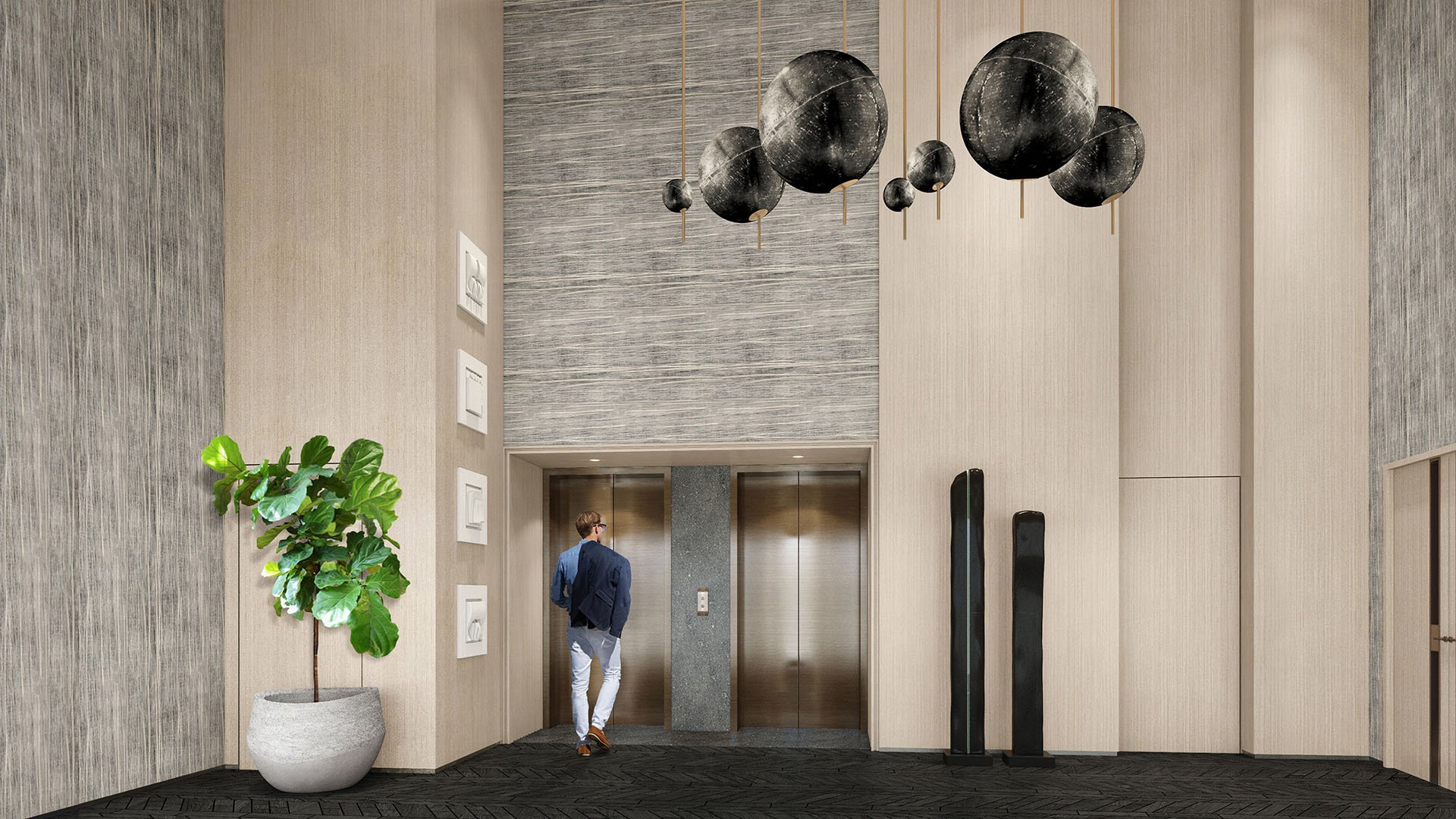
In South Florida luxury real estate, views often drive desire. Yet the higher the residence, the more essential the vertical infrastructure becomes. Elevator backup is not a technical footnote buried in an engineering binder. It shapes daily comfort, emergency planning, staff access, resale confidence, and the lived experience of owning above the skyline.
For a buyer comparing new-construction opportunities with resale condominiums, the question is not simply whether a building has a generator. The sharper question is what the backup system actually supports, for how long, under what conditions, and with what priority. A building may provide backup to selected elevators, selected life-safety systems, or selected common areas. Those distinctions matter.
This is especially true for high-floor ownership in Brickell, Miami Beach, Sunny Isles, Fort Lauderdale, and Palm Beach, where a residence may be an extraordinary private retreat while still depending on uninterrupted vertical circulation. Sophisticated buyers treat elevator backup as part of the same conversation as glazing, flood resilience, valet logistics, security, and building staffing.
New construction offers the chance to review planned systems before the building becomes part of daily life. Buyers can ask the sales team, developer representatives, and their own advisors for clear written descriptions of emergency power design, elevator service assumptions, and post-delivery building operations. At projects such as The Residences at 1428 Brickell, the right diligence posture is not to assume that a contemporary tower automatically resolves every operational question, but to request the details early and preserve them in the buyer file.
Resale condos require a different lens. The building has a record, a maintenance culture, an association budget, and existing equipment. In a resale setting, the most valuable evidence is practical: generator maintenance history, elevator service records, recent reserve planning, board communications, and management responses during prior outages. A glossy lobby cannot substitute for disciplined building operations.
Neither category is inherently superior. A new tower may have modern design intent, while an established building may have proven procedures and a well-funded association. The comparison becomes meaningful only when the buyer understands the actual system, not the marketing shorthand.
Begin with the elevator count and the backup count. How many elevators serve the tower, and how many are intended to operate on backup power? If only one elevator is supported, ask whether it serves all residential floors, whether it is shared with service operations, and how priority is managed during an outage.
Next, ask about transfer. Does the backup system engage automatically, or does building staff need to intervene? How long is the expected transition from normal power to backup service? Even a short pause can feel very different on the fiftieth floor than it does in a low-rise boutique building.
Then ask about duration and fuel strategy. Buyers do not need to become engineers, but they should understand whether the plan is designed for short interruptions, extended outages, or a staged operational response. A luxury building’s resilience is often revealed by how clearly management can explain its assumptions.
Finally, ask what else is competing for backup power. Elevators may share the emergency power conversation with life-safety systems, access control, garage gates, pumps, lighting, cooling in selected areas, and communications infrastructure. The more specific the answer, the more useful it becomes.
The strongest buyers ask for documentation rather than relying on verbal summaries. In new construction, request the relevant sections of buyer materials, building specifications, and any available operational descriptions that address emergency power and elevator service. In resale, ask for association documents, meeting minutes where infrastructure is discussed, maintenance contracts if available for review, and recent budget or reserve references related to elevators or generators.
The goal is not to create friction. It is to understand whether a building’s promise is supported by a coherent operating plan. In a market where privacy, service, and continuity are part of the luxury proposition, backup systems deserve the same scrutiny as interior finishes.
For Miami Beach buyers considering oceanfront or near-ocean residences, the conversation may feel especially tangible because access, weather, parking, and building staffing can intersect during a disruption. A buyer comparing The Perigon Miami Beach with a nearby resale option should use the same framework for both: confirm the backup scope, understand the operational plan, and document the answer.
A lower-floor buyer may tolerate an occasional stairwell inconvenience. A penthouse or upper-tier owner should think differently. High-floor living magnifies every vertical circulation issue, from guest arrivals and private staff movement to deliveries, dog walks, medical access, and family routines.
This does not make high-floor residences impractical. On the contrary, they often offer the privacy, light, and water views that define South Florida’s best condominium living. It means the buyer’s infrastructure questions should rise with the elevation. At Bentley Residences Sunny Isles, as with any significant Sunny Isles tower, the elevator discussion should be treated as part of the lifestyle analysis, not an afterthought.
A useful exercise is to imagine a 24-hour disruption. Who can enter the building? Which elevator is available? Can staff reach the residence? How are deliveries handled? What happens if an owner is away and a family member is in residence? The best buildings have practical answers that feel calm, not improvised.
Boutique buildings may offer fewer residences, less congestion, and a more intimate staffing model. They may also have fewer elevators and a simpler backup configuration. Large towers may offer more elevator banks and deeper operational resources, but they also serve more residents and guests. Neither profile guarantees a better experience.
In Bay Harbor Islands, Coconut Grove, or Coral Gables, a boutique buyer might prioritize clarity around one or two elevators and direct management accountability. In Brickell or Downtown Miami, a tower buyer may focus on elevator zoning, service elevator availability, and how backup service is allocated across residential levels.
Projects such as Four Seasons Residences Coconut Grove illustrate why the analysis should follow the building format. A buyer should not ask a boutique building and a skyline tower identical questions in the same tone. The principles are the same, but the operational context differs.
Resale buildings can offer something new construction cannot: a track record. Buyers can ask how equipment has performed, whether elevator modernization has been discussed, how the association budgets for major systems, and whether residents have experienced service interruptions.
The caution is that past performance is useful only if the building continues to fund and maintain its infrastructure. A prestigious address with deferred mechanical planning may carry hidden friction. Conversely, a quieter building with disciplined reserves and responsive management can be a stronger ownership experience than its branding suggests.
For resale buyers, the elevator backup review should be part of the inspection and document review period. If the residence is on a high floor, the question deserves direct attention before deposit money becomes hard or timelines narrow.
New construction allows buyers to establish expectations before closing. The buyer can ask what will be delivered, how the system is intended to operate, and what will be controlled by the association after turnover. This matters because some operational realities emerge only when a building transitions from development to resident governance.
In Downtown Miami, buyers drawn to vertical landmarks such as Waldorf Astoria Residences Downtown Miami should treat elevator backup as part of the broader ownership narrative: sky living, branded service expectations, and the practical need for reliable access. The more ambitious the building, the more important it is to understand its everyday resilience.
The best approach is simple. Ask early, ask in writing, and retain the answers. A refined residence deserves equally refined diligence.
Is elevator backup the same as full-building generator power? No. Backup power may support only selected systems, so buyers should verify exactly which elevators and services are covered.
Should high-floor buyers ask different questions? Yes. High-floor owners should focus on elevator availability, transfer timing, staff access, and practical routines during an outage.
Is new construction always better for elevator backup? Not automatically. New buildings may have modern design intent, while resale buildings may offer proven maintenance history and operating experience.
What documents should a resale buyer request? Ask for relevant association records, maintenance references, budget discussions, reserve materials, and management explanations of backup procedures.
What should a pre-construction buyer ask the sales team? Request a written description of the planned emergency power scope, elevator service assumptions, and post-delivery operating responsibilities.
How many elevators should be on backup power? There is no single luxury standard. The right answer depends on building height, elevator count, resident density, and the operating plan.
Does a service elevator matter during an outage? It can. Service access may affect staff movement, deliveries, maintenance response, and resident convenience when normal operations are interrupted.
Should elevator backup influence resale value? It can influence buyer confidence, especially for high-floor residences where access and continuity are central to the ownership experience.
Can verbal assurances be enough? Written confirmation is stronger. Buyers should preserve clear answers in their diligence file before making a final decision.
Who should review technical elevator and generator details? A qualified inspector, engineer, attorney, or experienced condominium advisor can help interpret the documents and identify follow-up questions.
For a confidential assessment and a building-by-building shortlist, connect with MILLION.
If branded residences are on your mind — as a home or as an allocation — we would be glad to share what we are seeing, privately.
Begin a quiet conversation