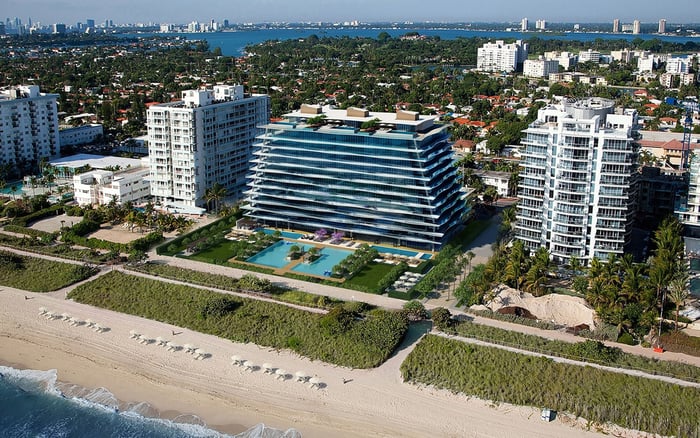
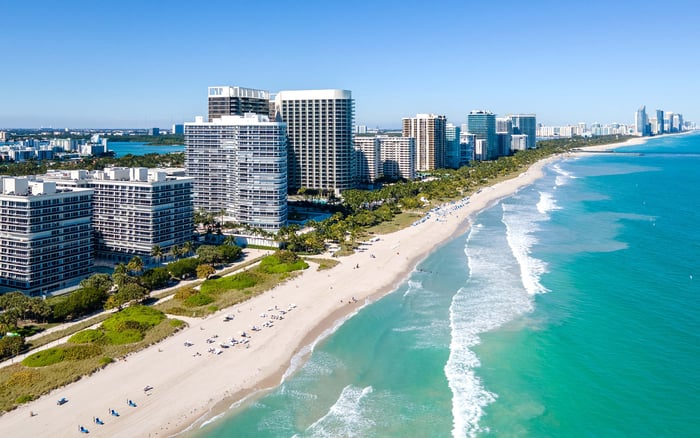
A disciplined pre-closing audit should connect structural findings, reserve assumptions and every capital obligation to documentary proof and an identified source of funds.

A branded residence may offer exceptional design, service and identity, but Florida's structural rules apply to the building-not its luxury affiliation. For a buyer considering Branded Residences in Surfside, the decisive question is whether the association can document the property's physical condition and fund the work that condition requires.
That distinction matters across the Oceanfront and Waterfront market. Residences such as Arte Surfside, Fendi Château Residences Surfside and The Surf Club Four Seasons Surfside may enter a buyer's comparative set, but each building must be evaluated on its own records. Statutory compliance is only the floor. It does not establish that repairs are complete, estimates are current or reserves can absorb overruns.
Florida's milestone-inspection law covers condominium and cooperative buildings with three or more habitable stories. The first inspection is generally due at 30 years, with subsequent inspections every 10 years. A local enforcement agency may set the first deadline between 25 and 30 years when local conditions, including proximity to salt water, justify an earlier review.
Confirm the applicable date directly with Surfside and Miami-Dade authorities. Measure the building's age from the certificate-of-occupancy date-not a renovation, rebranding or marketing timeline. Request both the building department's compliance correspondence and the association's records, then cross-check filing status and deadlines.
Phase One is a visual examination by a Florida-licensed architect or engineer to determine whether substantial structural deterioration exists. Obtain the complete signed report, not a board synopsis. Review the photographs, sampling methods, inaccessible locations, exclusions and professional limitations. A clean conclusion carries less weight when significant areas were not observed.
If Phase One identifies signs of substantial structural deterioration, Phase Two must investigate the condition and recommend a repair program. Request the complete Phase Two report, repair drawings, permits, contracts, building-department correspondence and completion certifications. Under the applicable county ordinance requirements, repairs must commence within 365 days after a Phase Two report identifies substantial structural deterioration.
Also obtain the professional's written disclosure of any intention to bid on related maintenance or repair work. This does not invalidate the analysis by itself, but it creates a conflict checkpoint for counsel and an independent engineer.
A Structural Integrity Reserve Study, or SIRS, is required for covered condominium and cooperative buildings with three or more habitable stories and must be repeated at least every 10 years. Its mandated scope includes the roof; primary structural members; fireproofing and fire-protection systems; plumbing; electrical systems; waterproofing and exterior painting; and windows and exterior doors.
Build a worksheet with one row for each component. Record its stated condition, remaining useful life, projected repair or replacement cost, recommended contribution and scheduled year. Flag missing components, bundled categories, stale pricing and unexplained changes from earlier studies. Compare the current SIRS with prior structural and reserve studies to identify repeatedly deferred work or useful lives extended without clear support.
Then reconcile the recommended contributions with the adopted budget, detailed reserve schedule and current reserve balances. A gap is not an abstract accounting issue. It signals the potential for special assessments, association borrowing or project delays-all material to a Resale purchase and its Investment profile.
Every open finding should connect to a defined scope, estimated cost, schedule and identified funding source. Classify each project precisely as proposed, approved, contracted, permitted, funded, commenced or completed. These labels are not interchangeable.
For every project, identify the reserve allocation, special assessment, association loan or other committed funding source. Reconcile the figures across the SIRS, annual budget, reserve records, construction contracts, seller disclosures and estoppel. Investigate mismatched totals, inconsistent project names, omitted contingencies and assessments that appear in one document but not another.
Separate statutory SIRS components from amenities. Pools, spas, elevators, club facilities, landscaping and interior finishes may carry significant capital needs without being adequately reserved through SIRS compliance. This distinction is particularly relevant when comparing an established property such as Ocean House Surfside with a newer offering such as The Delmore Surfside. Newness may alter the diligence questions, but it does not eliminate waterproofing, warranty, construction-defect or amenity-capital risk.
Engage an independent structural engineer to test assumptions about coastal deterioration, inspection access, useful lives and repair pricing. Florida condominium counsel should examine assessment liability, seller credits, escrow terms and cancellation rights. The purchase contract should allow sufficient time and access to obtain complete records and resolve inconsistencies before funds become nonrefundable.
The strongest file establishes a continuous chain: physical finding, engineered scope, current cost, approval status, construction timetable and committed funding. If any link is missing, price alone cannot resolve the uncertainty.
Does a luxury brand exempt a Surfside building from milestone requirements? No. Covered residential condominium and cooperative buildings remain subject to Florida's rules regardless of brand affiliation.
When is a first milestone inspection generally due? It is generally due at 30 years, although local conditions may support a deadline between 25 and 30 years.
Which date determines building age? Use the certificate-of-occupancy date rather than a later renovation, repositioning or rebranding date.
What should I request for Phase One? Obtain the complete signed report, photographs, exclusions, notes on inaccessible areas, sampling details and professional limitations.
When is Phase Two required? Phase Two is required when Phase One identifies signs of substantial structural deterioration that require further investigation and a repair program.
What makes a SIRS useful for underwriting? It should identify each component's condition, remaining useful life, projected cost and recommended reserve-funding schedule.
How do I identify a reserve shortfall? Compare SIRS costs and recommended contributions with actual reserve balances, the adopted budget and scheduled contributions.
Does SIRS compliance cover luxury amenities? Not necessarily. Review separate capital schedules for pools, spas, elevators, clubs, landscaping and interior finishes.
How should open projects be classified? Distinguish proposed, approved, contracted, permitted, funded, commenced and completed work, then require support for each status.
Who should review the closing file? Use an independent structural engineer and Florida condominium counsel to test technical assumptions, funding exposure and contract protections.
For a tailored shortlist and next-step guidance, connect with MILLION.
If branded residences are on your mind — as a home or as an allocation — we would be glad to share what we are seeing, privately.
Begin a quiet conversation