A disciplined waterfront audit pairs physical inspection with permits, approvals, repair records and the actual window warranties. Buyers should treat salt exposure, balcony drainage, hidden moisture and component-specific exclusions as connected risks, then resolve material gaps before closing.
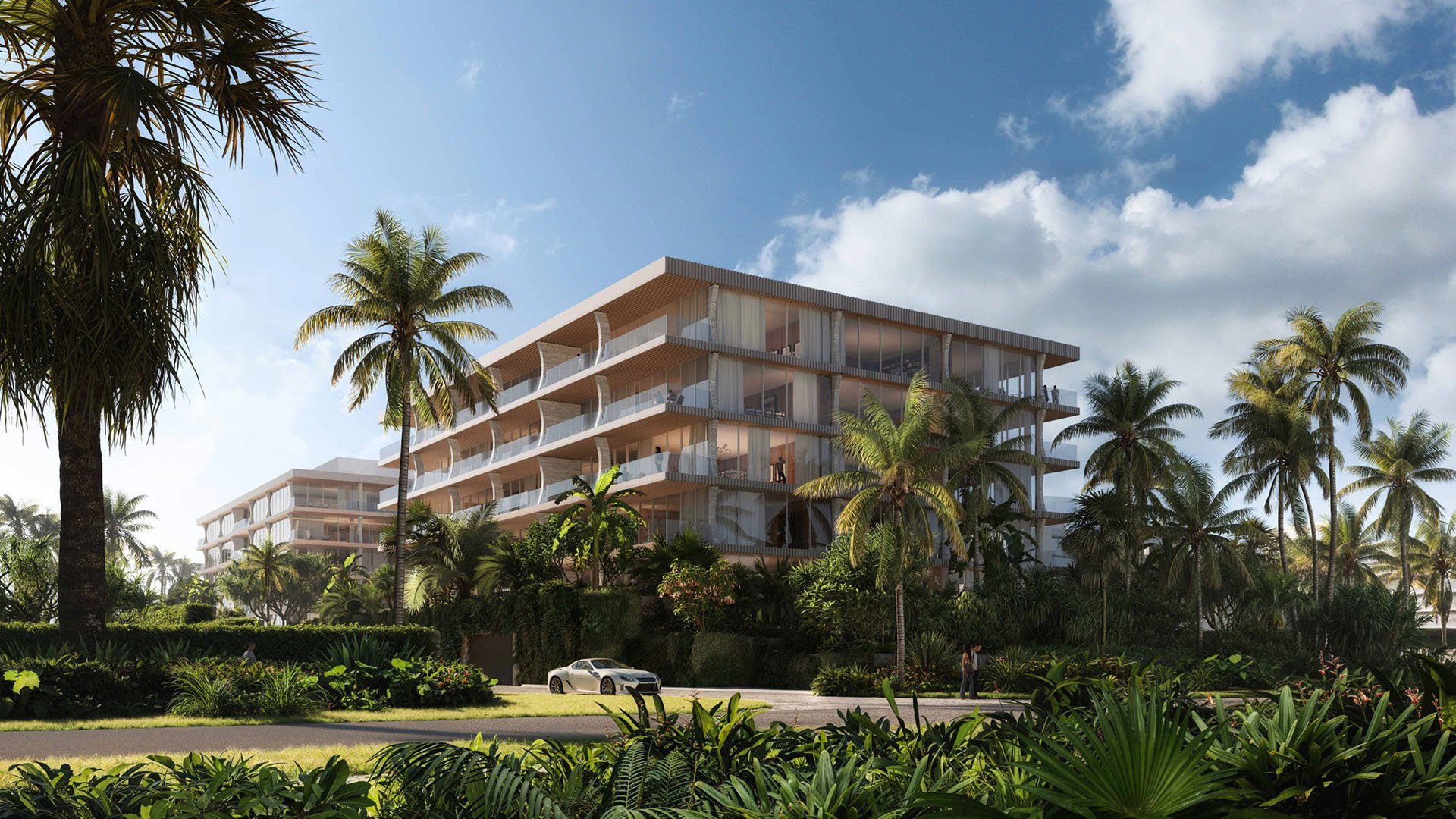
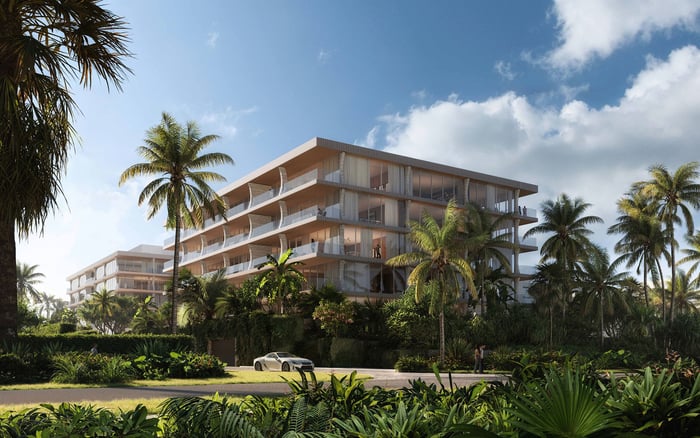
A waterfront residence in West Palm Beach warrants more than a polished visual inspection. Salt-laden air, wind-driven rain, exposed terraces, and expansive glazed openings place interconnected assemblies under sustained stress. The practical question is not simply whether a home looks pristine on inspection day, but whether its balconies, façade, windows, and drainage paths were properly detailed, maintained, and documented.
That distinction matters for both new-construction and resale decisions. A recently completed residence may have contemporary systems, but buyers still need the installed-product warranties and closeout records. An established condominium may offer a longer operating history, yet prior leak repairs or concrete restoration can create a more complex chain of evidence.
Buyers comparing Alba West Palm Beach with other waterfront options should apply the same disciplined framework to every property: inspect the physical condition, reconcile it with the permit file, and read each warranty as a contract rather than a marketing feature.
The strongest audit connects what is visible today with how the assembly was built, repaired, and warranted.
Request available permit history and final approvals from the relevant jurisdiction for balcony resurfacing, waterproofing replacement, concrete restoration, and window replacement. Missing inspection or closeout records warrant careful follow-up because they may leave concealed work unverified.
For any disclosed leak, waterproofing campaign, or concrete repair, obtain the scope of work, product specifications, inspection sign-offs, closeout documents, and warranty certificates. Match contractor invoices to the relevant permit and confirm that the described work received final approval. A paid invoice alone does not establish that concealed work was inspected.
In a condominium, expand the request to include available milestone-inspection materials, reserve studies, and association repair records addressing balconies, façades, windows, sealants, corrosion, or water intrusion. Meeting records can also clarify whether a localized repair formed part of a larger building condition. When considering Forté on Flagler West Palm Beach or another Palm Beach residence, request records early enough for an engineer to review them before contractual deadlines.
A balcony is not merely an outdoor finish surface. It is an assembly of slope, drains, perimeter transitions, waterproofing, flashing, railings, and connections. The audit should consider how these elements work together rather than evaluating the finish surface alone.
Begin with drainage. Look for ponding, slow drains, blocked scuppers, and finish surfaces that appear to direct water toward doors or walls. Ask a qualified specialist whether the slope and drainage are appropriate for the specific terrace. Where necessary, also ask whether controlled water testing is advisable and how it can be performed without causing damage.
Inspect membrane transitions at walls, door thresholds, columns, drains, railing penetrations, and perimeter edges. These junctions can be more revealing than the center of the deck. Note cracked or peeling coatings, failed sealant, efflorescence, mold, mildew, and damp areas beneath the slab. Inside the residence, examine ceilings and walls directly below or beside the terrace, including closets and concealed corners.
Concrete also demands attention. Rust staining, visible spalling, hollow-sounding areas, sagging, and cracks that appear to follow a reinforcing-steel grid can signal deterioration beyond the surface. Railings should be checked for looseness, corrosion, and distress at connections. Buyers evaluating Shorecrest Flagler Drive West Palm Beach can follow the same sequence to prevent aesthetic finishes from obscuring the underlying questions.
A stain identifies a symptom, not necessarily its origin. Water may enter at a window perimeter, failed sealant joint, balcony transition, or exterior wall assembly, then travel before becoming visible indoors. Façade drainage should therefore form part of the inquiry.
Map every interior sign by room and elevation. Look for bubbling paint, peeling coatings, musty odors, swollen finishes, efflorescence, and recurring dampness. Ask when the condition first appeared, whether it correlates with wind-driven rain, and what repair was attempted. Moisture readings or infrared observations may help define areas for further review, but a qualified professional should interpret them and reconcile the findings with the repair history.
Do not accept fresh paint as proof of resolution. A persuasive file documents the diagnosed entry point, repair scope, product used, inspection or testing performed, and evidence that the affected area remained dry afterward.
“Impact rated” addresses impact performance. It does not, by itself, establish protection against corrosion, seal failure, or coastal exposure. Inspect glass, frames, tracks, weather stripping, thresholds, fasteners, handles, locks, and sliding-door hardware. Look for pitting, oxidation, binding operation, damaged seals, water tracks, and deterioration around perimeter sealant.
Obtain the actual manufacturer warranty for the installed model, along with the installer warranty. Coverage can vary by component, finish, and glass, so the residence-specific documents should control the review.
Confirm the warranty start date, transferability, claim procedure, maintenance duties, and exclusions for salt air, coastal exposure, or inadequate care. Determine whether replacement products installed during prior repairs carry separate certificates. Buyers reviewing The Ritz-Carlton Residences® West Palm Beach or any other glazed waterfront tower should insist that product names and serial or order information align with the warranty presented.
A general inspection can identify warning signs, but it may not establish the extent of concealed deterioration. A structural engineer or coastal building-forensics specialist can assess concrete balconies, framing, railings, connections, membranes, sealants, windows, and sliding-glass doors as an integrated system.
When visual evidence is inconclusive, a specialist can determine whether further testing is appropriate. More extensive investigation may become relevant when spalling, grid-like cracking, hollow concrete, repeated leakage, or incomplete repair records leave a material question unresolved.
Organize findings into three categories: verified and acceptable, repairable with defined responsibility, and unresolved. For each unresolved item, identify the missing document, required specialist, necessary access, and decision deadline. Material gaps may support further investigation, a documented repair plan, negotiated protection, or a decision not to proceed, subject to the contract and professional advice.
The objective is not a flawless façade. It is a defensible understanding of present condition, prior work, future maintenance exposure, and enforceable warranty rights before funds transfer.
For discreet guidance on evaluating exceptional South Florida residences, connect with MILLION.
If branded residences are on your mind — as a home or as an allocation — we would be glad to share what we are seeing, privately.
Begin a quiet conversationSalt air, wind-driven rain, balconies, façades and glazed openings create connected risks that may require permit review and specialist evaluation.
Request permits, inspection sign-offs, final approvals, repair scopes, product specifications, closeout documents and warranty certificates.
Missing records can leave concealed work unverified and warrant careful follow-up before closing.
Rust staining, spalling, grid-like cracking, hollow-sounding concrete, sagging, failed coatings and compromised railings warrant follow-up.
Efflorescence, damp areas below the balcony, mold, mildew, bubbling paint and peeling coatings can indicate moisture movement.
No. Impact performance does not establish corrosion coverage, which depends on the actual warranty terms and exclusions.
Inspect frames, tracks, weather stripping, thresholds, fasteners, perimeter sealant, handles, locks and sliding-door hardware.
Yes. Parts, finishes and glass may carry different terms, so buyers should review the installed product's complete warranty.
Consider one when visible deterioration, recurring leaks or incomplete records prevent a reliable assessment of concealed conditions.
A specialist may recommend further testing when visible warning signs, repeated leakage or incomplete repair records leave a material question unresolved.