A private elevator is only one link in a residence’s access chain. Before closing in Hillsboro Beach, buyers should test credentials, map visitor permissions, examine app fallbacks, review biometric governance, and document emergency and service procedures.
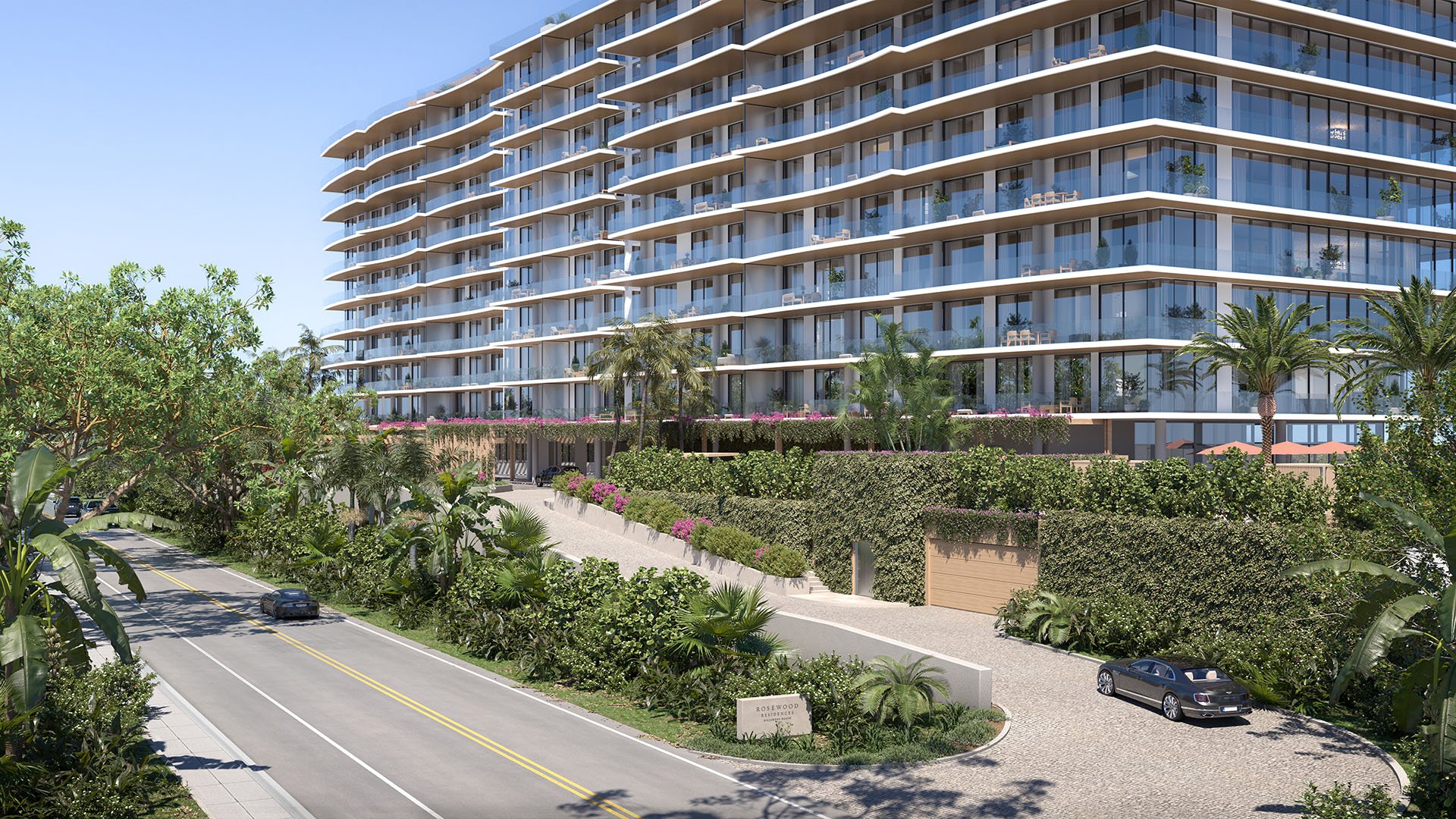
For an oceanfront second home, the phrase “private elevator” can sound like a complete answer to privacy. It is not. The relevant question is whether the entire route-from the perimeter gate and garage to the lobby, elevator cab, landing, stairwell, and residence door-operates as one coherent access system.
This distinction matters especially in a lock-and-leave purchase. An owner may be absent for weeks while family, household staff, property managers, contractors, and delivery personnel require carefully limited entry. Access controls can be sophisticated, but sophistication does not ensure that rules, technology, staffing, and legal boundaries align.
The true luxury is not merely private arrival, but controlled and recoverable access.
Begin with the physical and legal configuration. Does the elevator open into a vestibule, an entry foyer, or directly into the residence? Is the landing within the unit’s titled boundaries, a limited common element, or common property? Who can enter it through a service elevator or stair door?
A buyer considering Rosewood Residences Hillsboro Beach should ask precise closing questions: which elevator reaches which floor, how service personnel are routed, and whether a cab can open near the private foyer under normal or emergency conditions.
When an elevator opens directly into a residence, a survey and title review become essential. The buyer’s attorney should reconcile the plan, declaration, unit boundaries, easements, and maintenance obligations with the conditions observed during the walkthrough.
Do not settle for a verbal explanation or a concierge demonstration using a master credential. Operate the actual credential type the owner will receive. Test the gate, garage, pedestrian entry, lobby, elevator call panel, floor selection, stairwell, unit-adjacent landing, and residence door.
Then reverse the inquiry. Who issues each fob, card, key, code, or mobile credential? Who may revoke it, how quickly does revocation take effect, and is there an audit trail? Obtain the building’s actual policy rather than assuming an owner can simply give a spare fob to a housekeeper.
Buyers comparing coastal alternatives such as The Ritz-Carlton Residences® Pompano Beach or Armani Casa Residences Pompano Beach should apply the same test. Branding, staffing, and architecture may differ, but access control must still be demonstrated point by point.
Create separate scenarios for a dinner guest, overnight guest, recurring housekeeper, caregiver, contractor, broker, delivery driver, and mover. For each one, document preauthorization, identity screening, parking, pass or code issuance, elevator routing, permitted floors, expiration, and departure.
Ask whether the system permits an owner to generate a one-time or time-limited code through a portal, app, call box, or staffed desk. Verify the actual activation and expiration rules rather than assuming a standard duration or process.
Ask what happens when a recurring worker requires a different access category. Does that person require registration, insurance documentation, board approval, a vendor credential, or a different entrance? The answer affects both privacy and daily convenience.
A resident app may manage guests, doors, packages, amenity bookings, notices, and service requests. Identify which functions truly require the app and which remain available by telephone, staffed desk, physical credential, browser portal, or written request.
Run failure scenarios before closing. What happens if the owner loses a phone, changes a number, cannot receive a verification message, or arrives during a network outage? How does the building respond when a gate reader, portal, elevator credential, or app vendor is unavailable? A lock-and-leave residence needs a documented recovery path, not an informal promise that staff will handle it.
Ask who administers accounts, how departing occupants are removed, whether household members require separate profiles, and whether remote authorization can be suspended. Review who can see visitor, credential, incident, and CCTV records, how long each category is retained, and whether an owner can request access history associated with the unit.
The same discipline applies when considering Auberge Beach Residences & Spa Fort Lauderdale or any other staffed coastal residence. Convenience should never obscure dependence on a single device, vendor, or employee.
If facial recognition, fingerprints, voice identification, or another biometric option is offered, do not enroll during a casual orientation. First identify the access-control vendor, the party responsible for the data, authorized users, storage location, retention period, deletion process, breach-response procedure, and applicable cyber or privacy insurance.
Request the privacy notice, consent form, retention and deletion schedule, relevant vendor provisions, and opt-out alternatives directly from the association. Confirm whether biometric enrollment is optional and whether a fob, staffed verification, or another practical method provides equivalent access. Also ask what happens to the template when the residence is sold, a household member departs, or consent is withdrawn.
Move and delivery rules should state reservation lead time, permitted hours, loading location, elevator protection, and any authorized fee or deposit. Confirm whether movers, caregivers, housekeepers, and deliveries must use a service elevator, then establish the fallback when that elevator is reserved, under maintenance, or unavailable.
Emergency procedures deserve equal scrutiny. Determine who holds override credentials, how first responders bypass ordinary restrictions, which doors release, and how controls are reset afterward. Counsel should review how the governing documents and current procedures address emergency entry and access restrictions.
Before the inspection period ends, collect the declaration and plans, access rules, fob policy, visitor and vendor procedures, app terms, privacy notices, biometric documents, move rules, emergency protocol, and written responses to unresolved questions. Record the live demonstration and responsible contacts in the closing checklist.
A private elevator should ultimately deliver three qualities: discretion, predictable control, and graceful recovery when technology or staffing fails. For confidential guidance on evaluating a Hillsboro Beach residence, connect with MILLION.
If branded residences are on your mind — as a home or as an allocation — we would be glad to share what we are seeing, privately.
Begin a quiet conversationNo. Confirm floor permissions, landing configuration, service-elevator access, stairwell connections, and emergency overrides through documents and a live test.
Yes. Determine whether the landing or foyer is part of the unit, a limited common element, or common property, and identify related maintenance rights.
Test the owner’s actual credential at the gate, garage, pedestrian entry, lobby, elevator, stairwell, landing, and residence door. Also verify the revocation process.
Do not assume so. Review the building’s rules for resident credentials, recurring workers, registration, and time-limited access.
Trace preauthorization, screening, parking, code or pass issuance, elevator routing, expiration, and departure for each visitor type.
Verify how guest access is issued, activated, restricted, and expired under the building’s actual procedures.
That depends on the property. Identify every app-only function and confirm telephone, staffed, browser, or physical-credential alternatives.
Test procedures for a lost phone, changed number, failed verification, network outage, unavailable portal, defective reader, and revoked credential.
Request the privacy notice, consent form, retention and deletion schedule, vendor provisions, breach procedure, insurance details, and opt-out alternatives.
Confirm who holds override credentials, how first responders enter, which restrictions release, and how the access system is reset after an incident.