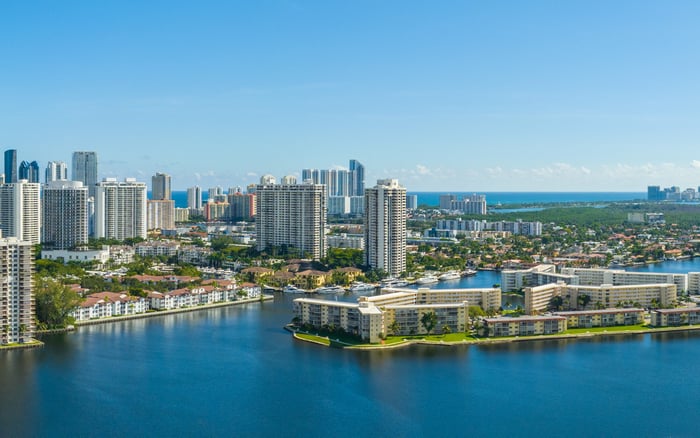
A buyer-focused comparison of Aventura Marina, Hamptons West, and Echo Aventura, with attention to lease duration, rental frequency, screening, occupancy, and waterfront due diligence.
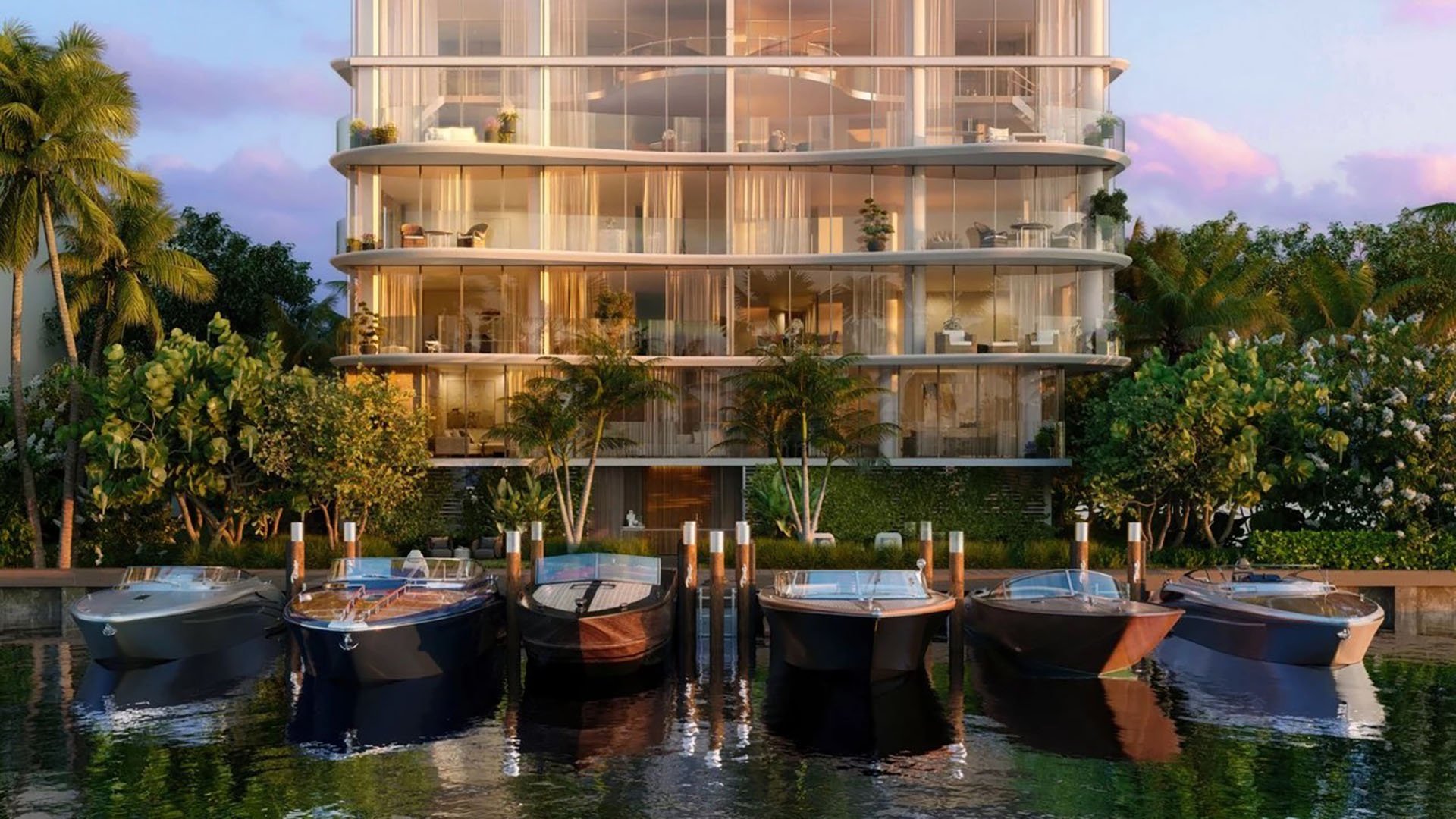
For buyers drawn to Aventura’s water views, the most valuable amenity may be one that never appears in a rendering: predictability. Clear rental restrictions can reduce rapid turnover, discourage transient occupancy, and give management a more consistent framework for controlling access. They do not guarantee silence or security, but they can support a steadier residential atmosphere.
This distinction is particularly important because condominium leasing rules are established primarily through each association’s declaration, bylaws, rules, and amendments. Two neighboring towers can offer similar vistas while operating under materially different leasing standards. Aventura’s municipal framework does not establish a vacation-rental permit, nightly minimum, or annual booking cap, placing even greater weight on building-level documents.
On the waterfront, predictability is an amenity in its own right.
The strongest choices are not necessarily those with the most restrictive language in isolation. Buyers should assess how minimum lease terms, annual rental caps, applicant review, occupancy limits, guest procedures, staffing, surveillance, and enforcement work together. The following residences present the clearest documented policies among the established waterfront options considered here.
1. Aventura Marina I & II: the strictest long-term structure
Aventura Marina I & II offers the most explicit anti-transient framework. Owners are limited to one lease per year, every lease must run for at least one year, and vacation, seasonal, and short-term rentals are prohibited. In practical terms, this makes Airbnb-style use unworkable and sharply reduces the frequency of tenant changeovers.
The community occupies an Intracoastal setting near Aventura’s 33rd to 35th Street area. For an owner seeking a primary residence or a measured long-hold position, its leasing structure favors continuity over flexibility. The tradeoff is equally clear: it is not an appropriate choice for a seasonal-rental strategy or an investor seeking frequent repricing opportunities.
2. Hamptons West: structured leasing with added screening controls
Hamptons West permits no more than two leases annually, with each lease lasting at least six months. That structure allows somewhat more flexibility than Aventura Marina while still preventing weekly or monthly turnover. Its Intracoastal position on Country Club Drive adds the waterfront character many Aventura buyers prioritize.
The operational controls are especially relevant. Rental applicants undergo screening and credit checks through a credit-reporting company. The building also imposes occupancy limits: up to four occupants in a two-bedroom residence and six in a three-bedroom residence. Move-in and move-out notification, together with a damage deposit, gives management additional oversight of access and turnover. Owners may keep one small pet under 20 pounds; tenants are not permitted pets.
3. Echo Aventura: contemporary luxury with limited lease frequency
Echo Aventura is a bayfront luxury condominium where the association imposes minimum lease periods and limits the number of leasing periods each year. Although the available framework does not provide the same numerical clarity as the first two choices, standard rentals of less than 30 days are not permitted in most configurations. Airbnb-style occupancy is therefore generally unviable.
For buyers who prefer a more contemporary luxury environment, Echo merits document-level review. Its appeal lies in combining a bayfront setting with an association structure that restricts very short stays. Before contracting, buyers should confirm the precise minimum applicable to the selected residence, the annual lease allowance, and any unit-specific conditions.
Some buyers will naturally expand their search to newer or nearby projects. Avenia Aventura keeps the comparison within Aventura, while One Park Tower by Turnberry North Miami offers a North Miami reference point. Farther east, Bentley Residences Sunny Isles provides another luxury coastal context.
These links are useful for broadening the residential search, not for inferring identical leasing policies. For every property, request the current declaration, bylaws, rules, rental application package, and all recent amendments. A polished sales presentation cannot substitute for the controlling language. Later amendments that tighten rental restrictions generally affect consenting owners and buyers who take title after an amendment becomes effective, making timing and legal review consequential.
Here, the distinction between long-term and short-term rentals becomes more than an investment calculation. A six-month minimum may still allow two resident changes in a year, while a one-year minimum paired with a one-lease cap creates a substantially more settled rhythm. Buyers should also determine whether a renewal counts as a new lease, whether a waiting period applies before leasing, and how the governing documents distinguish guest stays from tenancies.
Rental limits are a meaningful first screen, but they do not constitute a complete security program. Confirm the tenant-approval process, background or credit review, occupancy standards, guest registration, move procedures, delivery access, key or credential issuance, and consequences for violations. Ask how rules are enforced in practice and whether management maintains written records of approvals and move scheduling.
For a marina or other waterfront setting, due diligence should extend beyond the residential lobby. Review dock-use provisions, boat-lift policies, access procedures, and responsibility for dock-maintenance costs. These details can influence who enters marina areas, how equipment is managed, and whether waterfront obligations are clearly allocated among owners and the association.
Building condition belongs in the same review. Florida milestone-inspection requirements apply to condominium and cooperative buildings at least three stories tall, generally beginning at 25 or 30 years depending on coastal proximity and recurring every 10 years. Buyers should examine the applicable inspection status alongside budgets, reserves, insurance, and planned work. Strong rental controls cannot compensate for unresolved physical or financial questions.
Aventura Marina is the most compelling fit for buyers who prize a firmly residential cadence and can accept minimal leasing flexibility. Hamptons West suits those who value six-month minimums alongside visible screening, occupancy, and move controls. Echo Aventura speaks to buyers seeking a contemporary bayfront profile with limited lease frequency and a general barrier to sub-30-day rentals.
The best selection ultimately depends on intended use. A primary resident may welcome a one-year minimum, while a second-home owner may prefer limited flexibility for longer tenants. An investor focused on frequent short stays should look elsewhere, since strict long-term rules are deliberately misaligned with aggressive transient-rental strategies.
The decisive step is to reconcile lifestyle priorities with the current legal documents for the exact residence under consideration. Clear restrictions can protect continuity, but quiet and security also depend on staffing, access control, guest management, surveillance, and consistent enforcement.
For discreet guidance on Aventura waterfront residences and document-focused due diligence, connect with MILLION.
If branded residences are on your mind — as a home or as an allocation — we would be glad to share what we are seeing, privately.
Begin a quiet conversationAventura Marina I & II has the clearest strict policy: one lease per year, a one-year minimum, and no vacation, seasonal, or short-term rentals.
No. Its one-year lease minimum and prohibition on vacation, seasonal, and short-term rentals make Airbnb-style use unworkable.
Hamptons West permits no more than two leases per year, and each lease must last at least six months.
Yes. Rental applicants are screened, with credit checks conducted through a credit-reporting company.
The documented limits allow up to four occupants in a two-bedroom residence and six in a three-bedroom residence.
No. Owners may have one small pet under 20 pounds, but tenants are not permitted pets.
Standard rentals under 30 days are not permitted in most configurations, making Airbnb-style use generally unviable.
No. They may reduce turnover, but staffing, access control, guest procedures, surveillance, and enforcement also shape the residential environment.
Buyers should obtain the current declaration, bylaws, rules, rental application package, and recent amendments, then verify lease, guest, occupancy, and approval terms.
Review dock-use rules, boat-lift policies, access procedures, and responsibility for dock-maintenance costs before purchasing.