For collectors considering Mandarin Oriental on Brickell Key or Delano in downtown Miami, design credentials are the beginning of the conversation. Lighting specifications, private collection services and written installation permissions deserve separate scrutiny.
For an art collector, a residence must do more than provide an elegant backdrop. It must accommodate the collection’s physical requirements, support its care and permit installation without unresolved approvals. The most useful comparison between The Residences at Mandarin Oriental, Miami and Delano Residences & Hotel Miami begins with three distinct questions: what is designed, what is serviced and what is authorized?
Both projects offer distinctive design narratives and hospitality associations. Neither narrative alone establishes private collection management, residence-wide museum-grade lighting or guaranteed installation approval. Each requires written confirmation, ideally before a buyer commits to a particular residence.
This distinction is not a judgment on either address. It is a way to evaluate each on terms that matter to the collection, rather than treating visual sophistication as evidence of conservation performance.
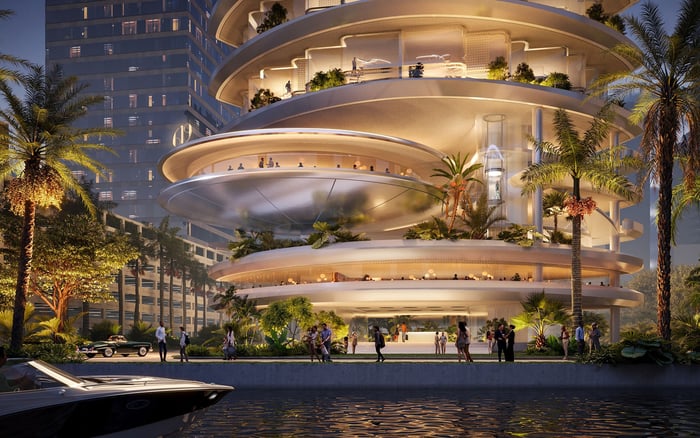
Planned for Brickell Key, The Residences at Mandarin Oriental, Miami combines residential branding with Mandarin Oriental’s hospitality-service model. Its design by Harrods Interior Design incorporates biomorphic elements and a palette inspired by changing ocean light and shadow, with lighting design by Speirs Major.
Those credentials give a collector a substantive starting point for discussion. They do not establish the specifications for a particular painting wall, the adjustability of a fixture or the environmental conditions inside an individual residence.
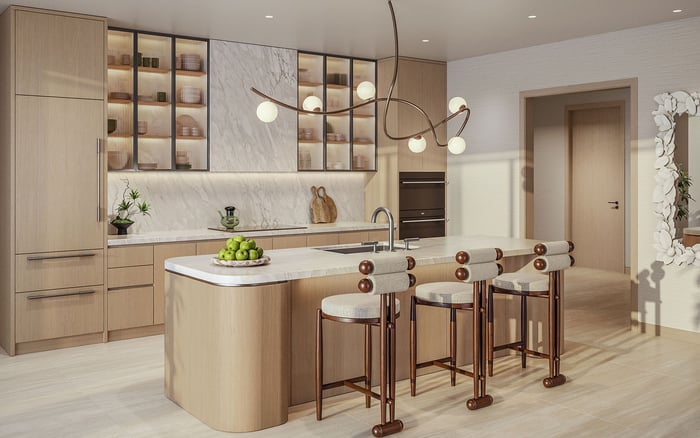
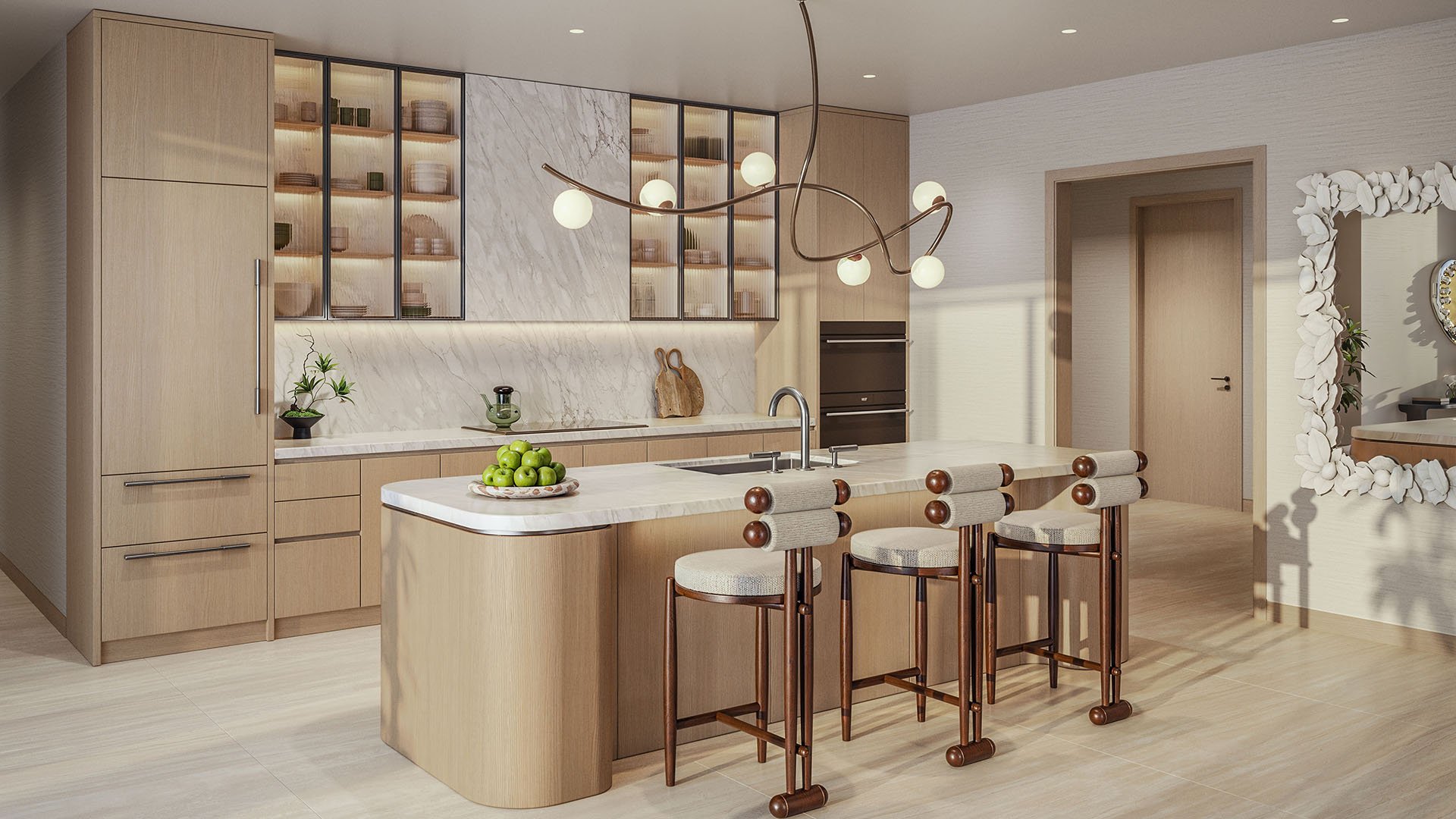
Molteni&C kitchens, natural-stone flooring, Dornbracht fixtures and Gaggenau appliances reinforce the premium residential setting. Likewise, the advertised provision of more than 100,000 square feet of resort-style amenities speaks to lifestyle, not collection-care infrastructure. A buyer should distinguish the quality of the setting from the technical performance required for individual works.
The next step is a unit-specific conversation: which design elements are delivered, which can be adapted and which proposed changes require review?
At 400 Biscayne Boulevard, Delano Residences & Hotel Miami is marketed as a combined residential and hotel development and the first Delano residential tower. Its interiors, designed by Meyer Davis, emphasize filtered light, sculptural circulation and layered landscapes.
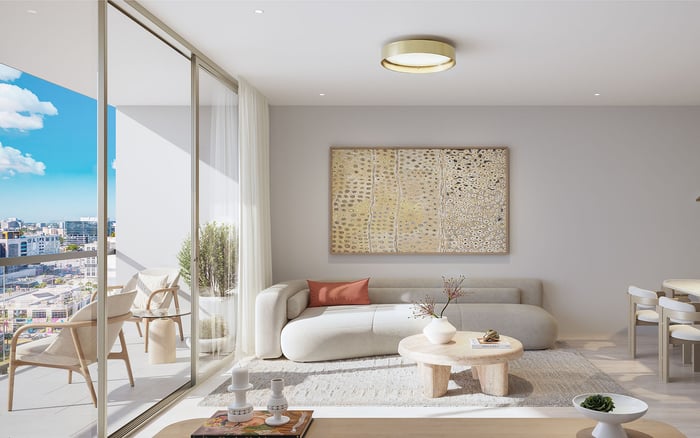
For a collector, that vocabulary suggests an atmosphere to explore, not a measurable protection standard. The advertised contemporary lighting package and smart-home automation likewise raise technical questions rather than resolve them. What can be adjusted independently? What specifications apply to the intended display locations? Which controls are included in the delivered residence, and which would require customization?
Hotel art curation should also remain distinct from private collection services. An art program associated with the Delano name should not be assumed to serve this downtown development, much less include handling, storage or conservation support for an owner’s works. Ask directly for the scope of residential services.
Treat “museum-grade” as a claim requiring a defined specification. The available descriptions do not establish residence-wide conservation systems at either address. A named lighting designer, an evocative daylight narrative and a smart-home interface are not substitutes for artwork-specific performance data.
Ask for fixture schedules, beam angles, color temperature, CRI or TM-30 data, dimming protocols and glare-control details. Request glazing performance, UV-filtering information and the scope of programmable shading. Have a qualified collection adviser assess those details against the works intended for each room, rather than selecting a universal setting for the entire collection.
The review should distinguish delivered features from proposed upgrades. For each desired change, ask who designs it, who approves it and whether it can be integrated with the residence’s controls. Request a coordinated lighting and shading plan tied to unit-specific elevations, with unresolved specifications clearly identified before installation planning proceeds.
Evaluate hospitality service and collection management separately. Ask whether either project offers private art handling, installation coordination, storage or conservation referrals. Then establish whether each service is delivered directly, arranged through an outside specialist or left entirely to the owner.
For each proposed service, request the scope, fees, insurance requirements and allocation of responsibility in writing. Clarify whether assistance extends beyond scheduling an appointment to supervising delivery, documenting condition or coordinating an installation. These are matters for the service agreement, not benefits to assume from the brand.
Environmental control deserves its own inquiry. Ask whether temperature and humidity can be independently adjusted, which controls are included and whether proposed modifications require approval. Neither project’s finishes nor its hospitality positioning answers those questions.
An owner who prefers an established art adviser or installer should also ask whether outside specialists may work in the residence and what access or insurance conditions apply.
Governmental-permit provisions for The Residences at Mandarin Oriental, Miami address applicable federal, state and local permits and approvals for improvements, designs and construction. They do not establish a condominium procedure for hanging art. Nor do they identify an installation reviewer, permitted loads, submission requirements or a review timetable.
For either project, request governing documents and alteration procedures alongside unit-specific elevations. Ask for wall-load limits, approved mounting methods, delivery restrictions and installer-insurance requirements. The crucial question is who has written authority to approve the proposed work-and what that approval covers.
Consider presenting the intended installation as a coordinated package: artwork dimensions and weight, proposed location, mounting approach and any associated lighting changes. Ask whether structural review, additional permits or separate approvals would be required, rather than assuming every installation follows the same process.
Finally, distinguish permission to install from permission to deliver. Confirm access arrangements and scheduling conditions before coordinating art transport or engaging installers.
The same questions can guide a broader search. A buyer also considering Waldorf Astoria Residences Downtown Miami should request the same unit-specific documentation, without presuming equivalent collection services or technical capabilities across projects.
For Mandarin Oriental and Delano, the meaningful comparison rests on documented commitments: lighting and glazing specifications, environmental-control capabilities, service responsibilities and an identifiable installation-approval process. Neither project has established superior collection-management infrastructure in the available descriptions.
A disciplined buyer can keep three categories in view throughout negotiations: included features, proposed adaptations and unresolved permissions. The better fit is the residence whose confirmed provisions align with the collection and the owner’s preferred specialists-not simply the one whose interiors photograph most persuasively.
Explore South Florida residences with a collector’s priorities in mind through MILLION.
If branded residences are on your mind — as a home or as an allocation — we would be glad to share what we are seeing, privately.
Begin a quiet conversationThe project is planned for Brickell Key and combines Mandarin Oriental’s residential branding with its hospitality-service model.
The design narrative credits Harrods Interior Design, while Speirs Major is identified as the lighting designer. These credentials do not by themselves establish artwork-specific conservation performance.
The combined residential and hotel development is marketed at 400 Biscayne Boulevard in downtown Miami. It is described as the first Delano residential tower.
Meyer Davis is identified as the interiors designer. Advertised residential features include a contemporary lighting package and smart-home automation.
The available descriptions do not establish residence-wide museum-grade conservation systems at either project. Buyers should request specifications for their intended display locations.
Request fixture schedules, beam angles, color temperature, CRI or TM-30 data, dimming protocols and glare-control details. Glazing performance, UV filtering and programmable shading also merit review.
Hotel art curation does not establish services for an owner’s private collection. Ask whether handling, installation, storage and conservation referrals are included, separately arranged or unavailable.
No; its governmental-permit language does not identify condominium reviewers, mounting limits, submission requirements or installation-approval timelines.
Request governing documents, alteration procedures, unit-specific elevations, wall-load limits and approved mounting methods. Confirm delivery restrictions, installer-insurance requirements and written approval authority.
The available descriptions do not establish a head-to-head advantage. Compare written service commitments, technical specifications and installation permissions against the needs of the collection.