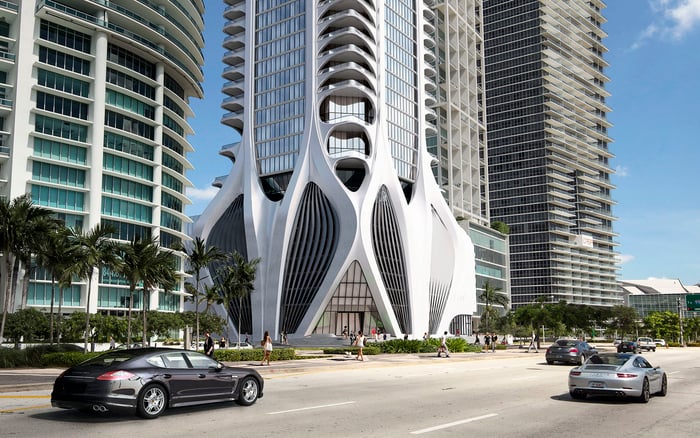
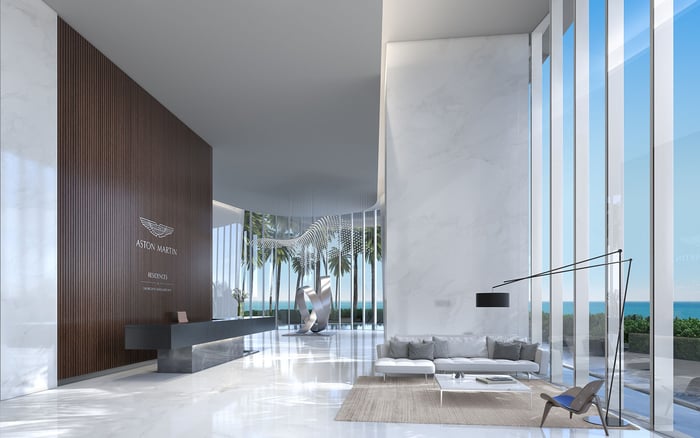
A Montreal-to-Miami second home calls for more than a residential shortlist. Align provincial eligibility, supplementary insurance, medical-record arrangements, caregiver access, and emergency planning before the first extended stay.
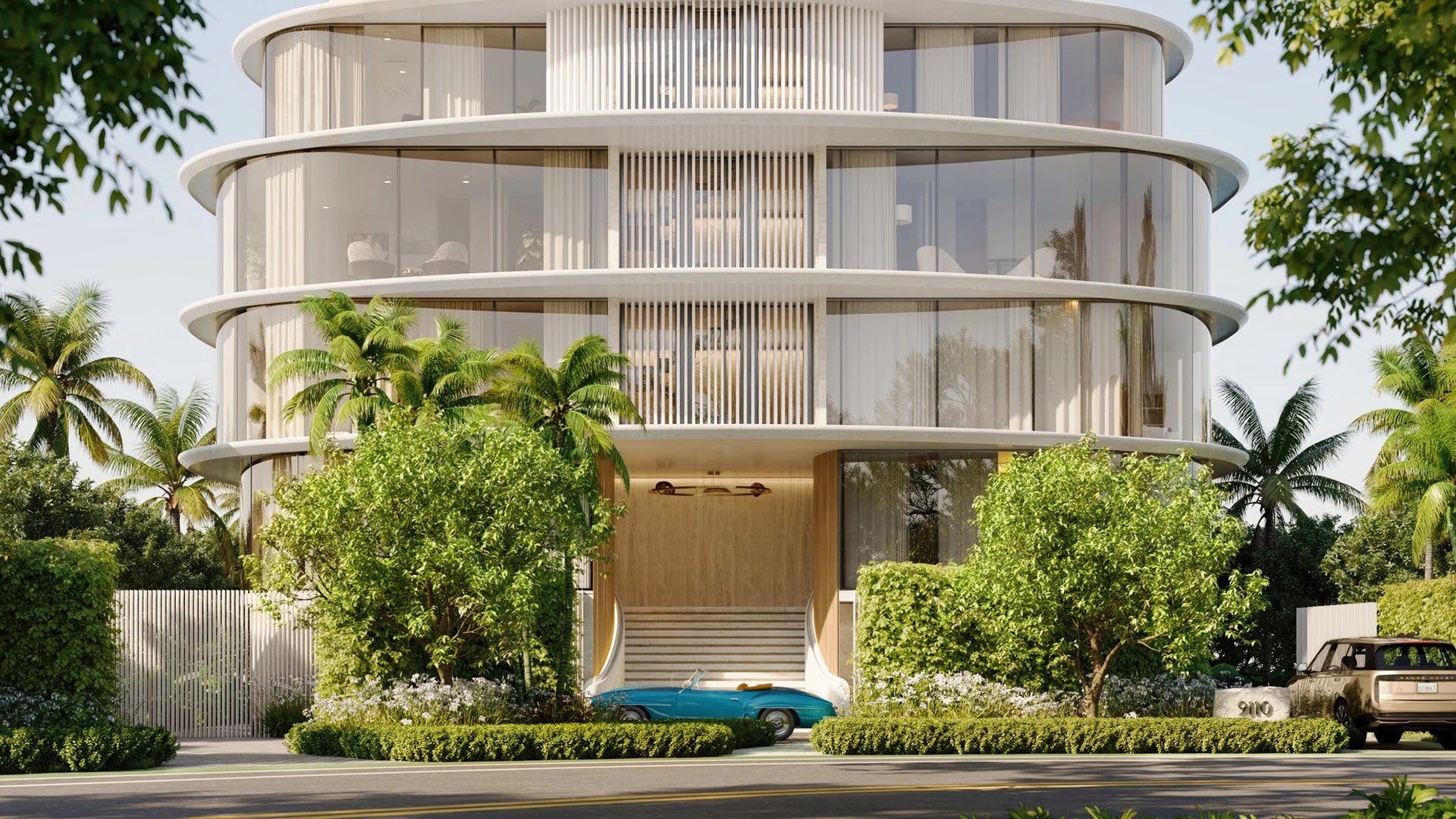
A second residence in Downtown Miami should make life less complicated. For a Montreal household, that means giving healthcare the same attention as the floor plan, privacy, and arrival experience. The essential question is not simply where care is available, but how coverage, clinical information, and household support will work together during a Florida stay.
For a buyer considering Aston Martin Residences Downtown Miami, the healthcare brief belongs beside the property brief. Establish the intended length of stay, identify who will coordinate appointments, and decide which arrangements require confirmation before arrival. A residential address is not evidence of healthcare access or insurance protection.
The objective is a second home that supports an existing life and its medical routines, rather than requiring those routines to be rebuilt under pressure.
To remain eligible for provincial health insurance, Québec residents generally must be present in the province for at least 183 days annually, subject to applicable exceptions and counting rules. Treat that threshold as a prompt for an individual eligibility review, not a complete account of how every absence is counted.
Before committing to a stay that conflicts with the presence rule, contact the provincial health insurance administrator to determine whether coverage will continue. Exceptions exist for qualifying work, studies, training, and internships outside Québec, but do not assume an exception applies to a seasonal household.
A permanent move is a different decision. Moving permanently from Québec to Miami ends provincial health insurance coverage on the departure date. The distinction between a winter residence and a permanent relocation belongs at the beginning of the planning conversation.
Keep a proposed travel calendar alongside the insurance discussion. If the household extends its stay, revisit both eligibility and policy terms before treating the additional time as a purely residential matter.
Eligible care received outside Québec with a valid provincial Health Insurance Card is generally reimbursed only in part. The card is not comprehensive U.S. medical insurance, and the gap can be substantial even for relatively straightforward care.
An illustrative Florida consultation bill of CA$262.64 resulted in reimbursement of CA$52.53, leaving a CA$210.11 patient balance. In a separate illustration, a three-day intensive-care hospitalization costing CA$25,000 resulted in reimbursement of CA$300 for hospital services and CA$435 for professional fees. These are examples, not current Miami price estimates or guaranteed reimbursement amounts.
Private and semi-private hospital rooms are generally excluded from provincial out-of-province coverage. Emergency transportation, air ambulance, and repatriation to Québec are also excluded. For a household accustomed to privacy and flexibility, those exclusions deserve particular attention.
Review supplementary coverage with an appropriately qualified insurance professional. Ask specifically about the intended stay, existing medical conditions, routine versus emergency care, room preferences, transportation, and return to Québec. Obtain answers tied to the actual policy; a broad description of travel coverage should not be assumed to resolve every category.
The goal is straightforward: ask the Montreal and Miami treating teams what information they need to support continuity. Do not assume an existing patient portal, a downloaded file, or a family member’s access will satisfy the receiving practice’s requirements.
Before departure, ask both offices to confirm their preferred transfer channel, any required permissions, and whether language or document-format arrangements are needed. Ask the receiving clinician which records would be useful, including whether to prepare a medication list, allergy information, recent results, or a clinical summary. These are planning questions, not a universal transfer procedure.
For someone evaluating Casa Bella by B&B Italia Downtown Miami, place this work on the pre-arrival checklist rather than tying it to closing day. The meaningful milestone is confirmation from the receiving practice that the requested information has arrived, with outstanding questions addressed before a planned appointment.
Discuss anticipated prescription or follow-up needs directly with the treating clinicians. Do not assume arrangements in one jurisdiction will automatically continue in the other.
Caregiver planning requires two distinct conversations: what the residential building permits and what the healthcare provider requires. Confirm each separately. Neither a concierge arrangement nor a family relationship substitutes for provider-specific authorization.
When considering One Thousand Museum Downtown Miami, ask management how a designated helper would be registered, how arrivals outside ordinary visiting hours would be handled, and what arrangements would be needed for recurring or overnight assistance. These are matters to investigate, not representations about that building’s policies or services.
Separately, ask each medical practice what permissions it requires before communicating with a relative or caregiver. Identify the household’s preferred contact, discuss that person’s intended role, and confirm the applicable arrangements with the practice.
If the plan includes advance directives or substitute decision-making documents, seek individualized legal advice about their use in Florida. Do not presume a Québec document or an informal family understanding settles the question.
Jackson Memorial Hospital Emergency Room is an emergency option at 1026 N.W. 19th Street, Miami, FL 33136. It operates 24 hours, and its telephone number is 305-585-1111. Its emergency services address conditions including chest pain, difficulty breathing, and severe injuries.
That does not establish it as the nearest emergency department to any particular condominium. Nor does a general Downtown location justify a promised response or journey time.
For a household considering Waldorf Astoria Residences Downtown Miami, build the plan around the exact residence and confirmed building procedures. Ask management how emergency responders are directed to a unit and which address and access details residents should keep readily available.
Prepare a concise household contact sheet with the residence address, unit information, treating clinicians, insurer assistance contact, and designated family contacts. Keep emergency response separate from later insurance administration; a coverage inquiry should not delay urgent care.
Before the first extended stay, resolve the decisions in sequence: confirm provincial eligibility, review supplementary insurance, agree on record-sharing arrangements, clarify caregiver access, and document the emergency plan. Assign a household coordinator without assuming that the role itself grants access to medical information.
Revisit the plan when the travel calendar, health needs, caregiver, or residence changes. The most valuable outcome is not a thicker file but fewer unresolved questions on arrival. Healthcare readiness belongs in the purchase decision, not in an unsupported promise attached to a property.
For a discreet perspective on selecting a Downtown Miami second home around your household’s priorities, explore MILLION.
If branded residences are on your mind — as a home or as an allocation — we would be glad to share what we are seeing, privately.
Begin a quiet conversationNo. Eligible care outside Québec is generally reimbursed only in part, so a Florida stay calls for a separate review of supplementary coverage.
Residents generally must spend at least 183 days annually in Québec, subject to applicable exceptions and counting rules. Confirm eligibility before a stay that conflicts with the presence rule.
Exceptions exist for qualifying work, studies, training, and internships outside Québec. Confirm whether an exception applies rather than assuming a seasonal stay qualifies.
A permanent move from Québec to Miami ends provincial health insurance coverage on the departure date. This differs from a temporary seasonal stay.
No. The consultation and intensive-care figures are illustrations of potential reimbursement gaps, not current Miami prices or guaranteed reimbursements.
Private and semi-private hospital rooms are generally excluded. Emergency transportation, air ambulance, and repatriation to Québec are also excluded.
Ask the sending and receiving practices to confirm the needed records, permissions, transfer channel, and any language or format arrangements. Confirm receipt before a planned appointment.
Ask building management about residential access and each medical practice about its communication permissions. Do not assume that one arrangement satisfies the other.
It is at 1026 N.W. 19th Street, Miami, FL 33136, operates 24 hours, and lists 305-585-1111. It is not established here as the nearest emergency department to any particular condominium.
Include the exact residence and unit details, confirmed building access procedures, clinician contacts, insurer assistance contact, and designated family contacts. Keep insurance administration from delaying urgent care.