South Florida’s gala and fair season gives collectors a practical framework for evaluating art transport, building access, acclimation, installation planning, and interior climate control before buying a residence.
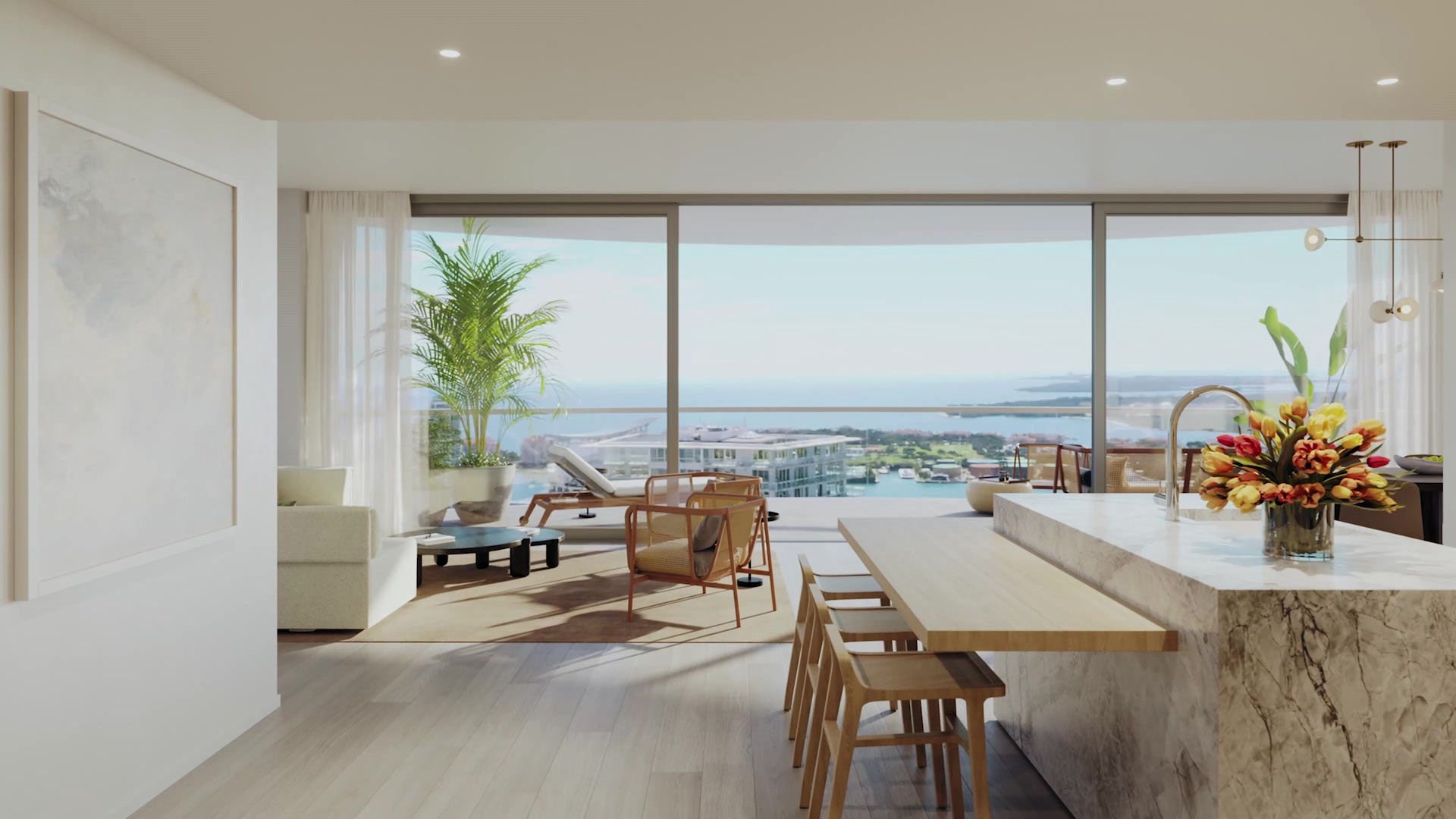
South Florida’s gala and fair season can sharpen a collector’s view of residential due diligence. When art movement, private events, exhibitions, and installations converge, the practical route between a transport vehicle and a residence becomes as relevant as wall space, ceiling height, and natural light.
For a buyer, the central question is not merely where a work will hang. It is whether the building’s access procedures, service areas, elevator dimensions, residence layout, and operating schedule can support the planned movement and installation. That question belongs in the property review before a carrier or installation team is engaged.
An art-ready residence should be evaluated across the complete route from arrival to installation.
A refined lobby or expansive interior does not confirm that a crate can pass through every required doorway and corridor. Buyers should distinguish visual appeal from operational readiness and verify both for the specific residence under consideration.
The most useful review begins with current documents, verified measurements, and direct coordination with building management. A buyer can request the building’s written freight-elevator procedures, cab and door dimensions, loading arrangements, permitted service windows, reservation process, protective-material requirements, and insurance documentation.
The physical route should be mapped step by step. That includes the designated arrival point, service entrance, elevator, corridors, turns, residence threshold, and intended installation area. Measurements should reflect the contemplated work, its crate, and any equipment the installation team expects to use.
Scheduling deserves equal attention. Buyers can ask who authorizes access, how reservations are confirmed, where a vehicle may stand during unloading, and what happens if the planned service window changes. The answers should come from current building procedures rather than assumptions based on a showing or floor plan.
In Brickell, this framework can inform the evaluation of The Residences at 1428 Brickell. The project page is a starting point for property consideration, while current rules, dimensions, and access arrangements should be verified for the particular residence and planned delivery.
The same discipline applies in Miami Beach. A collector considering The Perigon Miami Beach can review every transition between arrival and final placement. The purpose is not to assume a problem, but to identify the information needed for a coordinated plan.
Buyers often encounter climate control as a residence feature, yet collection planning extends beyond the living space. The collector’s advisers can examine conditions during transport, unloading, temporary holding, acclimation, unpacking, and installation as connected parts of the same process.
This review should be tailored to the work and the recommendations of the relevant art professionals. A buyer can ask a prospective carrier how environmental conditions are managed, how custody is documented, how the work is protected during handling, and what procedures apply if access is delayed.
The building route also matters. A residence’s interior system cannot describe conditions in a loading area, service corridor, elevator, or other transitional space. Identifying those transitions allows the carrier, building team, installer, and owner’s representative to decide how the movement should be sequenced.
Palm Beach County buyers can apply the same questions when considering South Flagler House West Palm Beach. The relevant issue is whether the transport and installation plan is compatible with the current operating procedures for the selected residence.
Delivery and unpacking should not be treated as interchangeable milestones. The collector’s art professionals can determine whether a work should remain packed for a period after arrival and what conditions should be established before opening. Building access, residence readiness, and installer availability should be coordinated around that advice.
A buyer should identify a secure location where a delivered work can remain if immediate installation is not appropriate. The location, timing, monitoring, and authorized personnel can be defined before delivery so that the team does not have to improvise in a service area.
Installation planning should also account for working clearance, wall or floor preparation, equipment access, protection of interior finishes, and temporary placement of packing materials. These details depend on the specific work and residence, which is why renderings and floor plans cannot replace an on-site operational review.
For a collection moving to Surfside, The Delmore Surfside can be considered through this same lens. Buyers should separately evaluate the residence’s design appeal and the verified logistics required by their collection.
A complete movement plan should address what happens if the residence, building route, or installation team is not ready. A collector may wish to arrange appropriate storage through qualified art professionals rather than leave the decision until a scheduled delivery cannot proceed.
The contingency plan can identify who has authority to redirect the work, where it may be held, how custody will be documented, and how a new delivery window will be coordinated. The suitable approach depends on the work, its packing, and professional guidance.
This planning is particularly useful during a busy social and cultural calendar, but it is not limited to one season. A clear fallback can support communication among the owner’s representative, carrier, building management, installer, and storage provider at any time of year.
For residential due diligence, “art-ready” is most useful as an operating standard rather than a marketing label. The review can cover the complete access route, written building procedures, transport coordination, environmental planning, security, installation needs, and a fallback if the original schedule changes.
The buyer’s team should keep property-specific questions separate from assumptions about a neighborhood or project. Procedures can vary, and the requirements of one collection may differ substantially from those of another. Current written information and measurements are therefore more useful than general impressions.
Gala season brings these issues into sharper focus because collectors are thinking simultaneously about residences, events, exhibitions, and installations. The resulting diligence can help a buyer assess whether a South Florida home supports both the presentation of art and the practical work required to move and care for it.
For discreet guidance on South Florida residences suited to a collector’s priorities, connect with MILLION.
If branded residences are on your mind — as a home or as an allocation — we would be glad to share what we are seeing, privately.
Begin a quiet conversationA pre-closing review helps the buyer compare the planned crate and equipment with the building’s verified route, procedures, and service schedule.
Request current written procedures, cab and door dimensions, reservation steps, service windows, protective requirements, and insurance documentation.
Review the arrival point, service entrance, elevator, corridors, turns, residence threshold, and intended installation area.
No. The collector’s team should also consider transport, unloading, temporary holding, acclimation, unpacking, and installation.
The collector should rely on qualified art professionals familiar with the specific work, its packing, and the planned environment.
Not necessarily. The art team should determine the appropriate unpacking schedule for the specific work and conditions.
It should address access, working clearance, surface preparation, equipment, interior protection, packing materials, and authorized personnel.
It provides a planned alternative if the residence, building route, or installation team cannot receive the work as scheduled.
No. Buyers should obtain current property-specific procedures and verified measurements from the appropriate building representatives.
An art-ready residence supports a coordinated plan for access, transport, environmental care, security, installation, and contingencies.