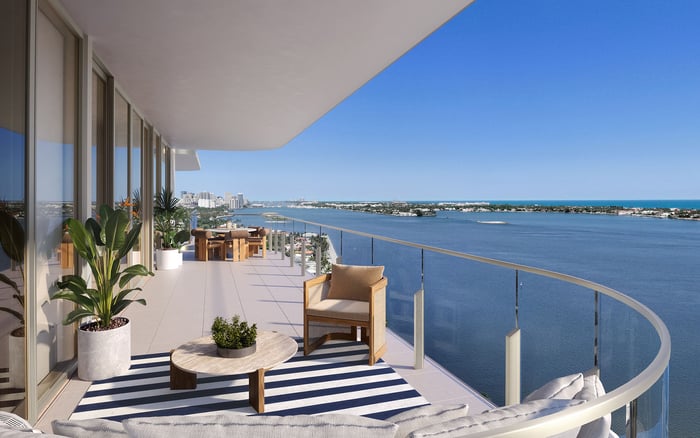
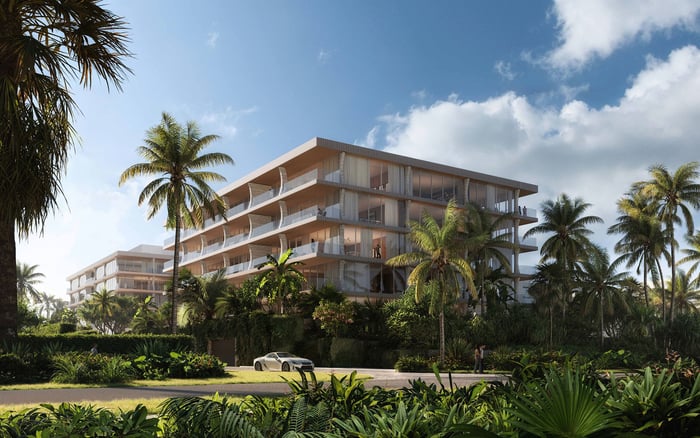
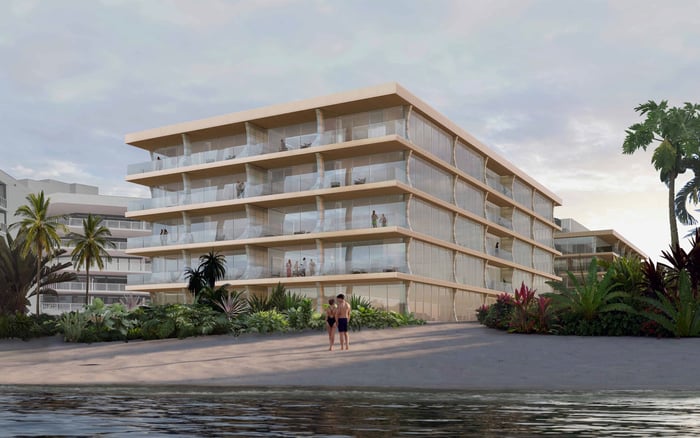
A buyer-focused look at South Flagler House through the lens of hurricane readiness, generator coverage, storm staffing, flood due diligence, and post-storm comfort in West Palm Beach.
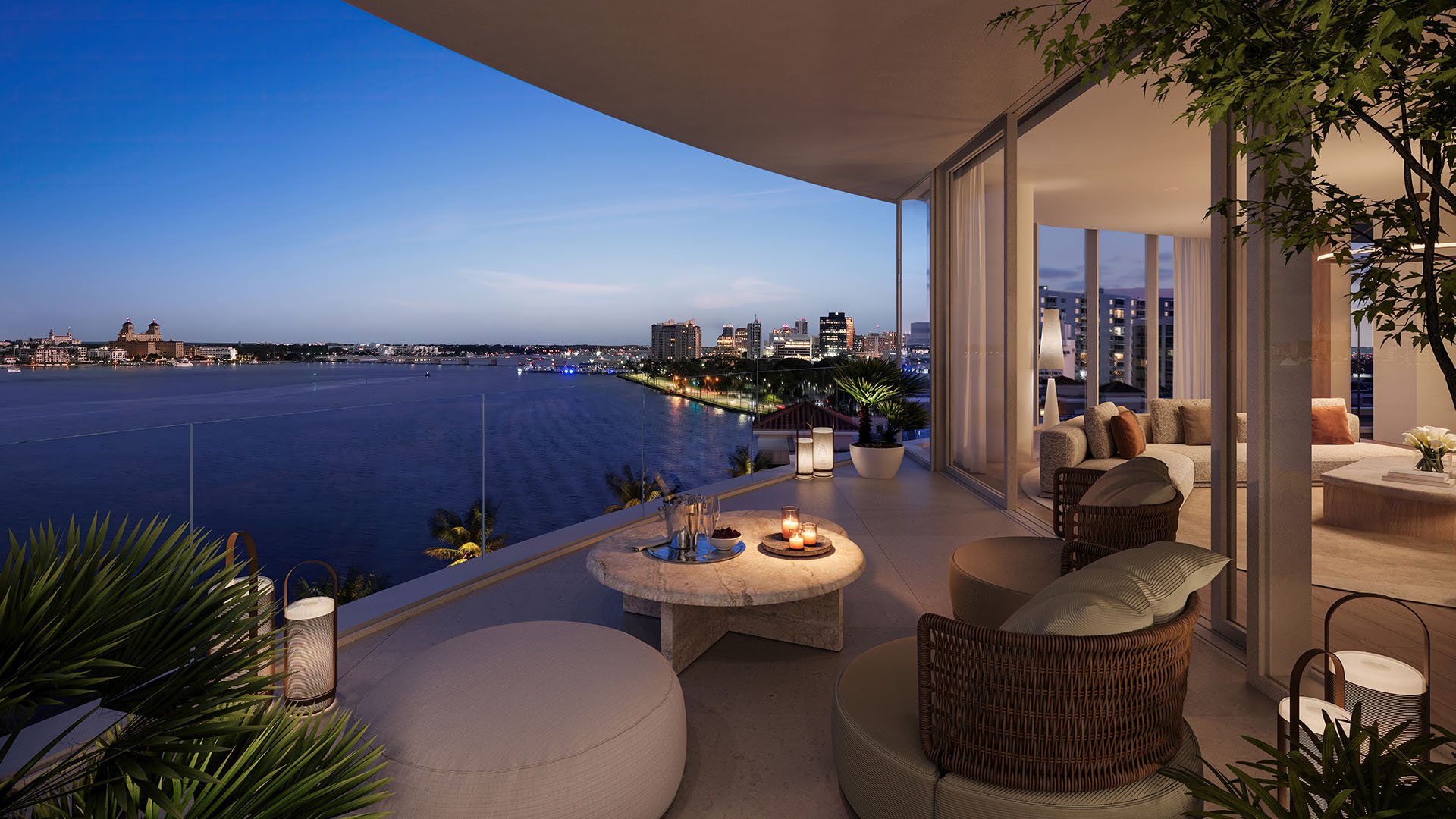
South Flagler House occupies the part of South Florida where beauty and exposure are inseparable. A waterfront address in West Palm Beach offers light, views, arrival, and proximity to Palm Beach, but it also asks a more exacting ownership question: what does resilience mean when the home is vertical, coastal, highly serviced, and expected to function gracefully before and after severe weather?
For the ultra-premium buyer, resilience is no longer a generic assurance. It is a layered discipline spanning wind planning, flood awareness, heat management, backup power, resident communication, evacuation planning, and trained staff. Readiness should be treated as a recurring operating condition rather than an occasional emergency topic.
That is where South Flagler House becomes an especially useful case study. The conversation is not simply whether a luxury tower is built to code. The more discerning question is how the building, its systems, and its service model are organized to preserve dignity, safety, access, and information when the broader environment is under strain.
On the Intracoastal and near coastal waters, flood exposure is one of the essential risks to understand. Waterfront due diligence should consider current conditions, building placement, access points, and how the property’s operating plan responds when weather disrupts normal circulation.
For South Flagler House buyers, the practical review begins with flood hazard context, site planning, garage and equipment placement, drainage strategy, and access conditions after severe weather. A residence may sit high above the water, but the building’s performance still depends on entrances, loading zones, mechanical systems, elevators, fuel access, security points, and staff circulation.
The most capable luxury buildings tend to treat resilience as choreography. They identify which areas require closer monitoring, which systems must remain protected, which routes remain usable, and which communications go out before conditions disrupt routines. For a waterview property, the view is part of the romance. The resilience plan is part of the ownership experience.
Florida’s building framework establishes a baseline for structural and life-safety review. That baseline matters. Yet the premium market has moved beyond asking only whether a tower satisfies minimum requirements. A South Flagler buyer should also ask how the building performs operationally when the grid is interrupted, streets are partially blocked, elevators must be prioritized, and residents need timely guidance.
In high-floor living, elevator continuity is central. A buyer should understand the practical details: which elevators are connected to backup systems, what priority logic applies, how long backup service is intended to operate, and whether staff have procedures for resident movement during staged restoration.
This is the distinction between compliance and comfort. Compliance answers the legal question. Luxury operational resilience answers the lived question: can the building support residents with calm, communication, access, and essential services when outside conditions are compromised?
Generator coverage is often reduced to a simple yes-or-no sales phrase, but serious buyers should resist that shortcut. In a luxury tower, the load schedule is the real story.
The relevant questions are specific. Does backup power support life-safety systems only, or does it extend to elevators, fire command, access control, security, pumps, communications, refrigeration in staff areas, domestic water support, garage systems, and portions of common-area cooling? Is any resident-level air conditioning covered, or only common areas? What is the fuel-duration target? How is fuel replenishment handled if roads are constrained? How often is the system tested before and during seasonal storm periods?
South Florida’s heat makes this more than a convenience issue. Post-storm humidity can quickly turn a power outage into a comfort, maintenance, and asset-preservation problem. For a second-home owner who may not be present during a storm, generator scope also affects confidence that the property and building environment remain managed even when the owner is away.
Because public materials do not always specify the full generator load schedule, buyers should request the offering documents, engineering disclosures, and condominium materials that define actual coverage. The strongest ownership decision is made when the marketing language is reconciled with the equipment schedule.
In the older luxury vocabulary, staffing meant valet, concierge, housekeeping coordination, and arrival rituals. In the South Florida resilience vocabulary, staffing also means trained personnel who understand storm preparation, resident communication, access control, generator safety, debris hazards, flooding, power disruptions, and phased reopening.
Residents should understand evacuation planning and building procedures before a hurricane threat. That guidance matters at the building level because not every storm scenario points to the same decision. Some residents may leave early. Others may shelter in place if conditions and directives allow. A high-performing building should communicate clearly before the weather deteriorates, including elevator status, parking instructions, amenity closures, package policies, staff availability, emergency contacts, and post-storm re-entry procedures.
Generator safety is also a staffing issue. Storm response work can expose employees to flooding, debris, electrical hazards, and unstable conditions. In a refined residence, the plan should never depend on improvisation by untrained personnel.
This is where South Flagler’s promise should be measured in operational language. The buyer should ask who is present, when they arrive, what they are trained to do, how they communicate, and what authority they have during a building emergency.
A sophisticated South Flagler House review should include the flood context, mechanical and electrical placement, generator specifications, fuel assumptions, elevator backup provisions, emergency communications protocol, storm staffing plan, insurance disclosures, and the condominium’s readiness procedures. None of these questions diminish the luxury proposition. They clarify it.
Within MILLION’s taxonomy, the subject belongs squarely to West Palm Beach, Palm Beach, new construction, waterview, high floors, and second-home priorities. These are not merely search labels. They describe the ownership profile most likely to care about uninterrupted access, discreet staffing, coastal exposure, and long-term capital preservation.
The best resilience planning is almost invisible when conditions are normal. It appears as calm communication before a storm, ordered transitions during the event, and a building that understands its own systems afterward. For South Flagler House, that is the real luxury benchmark: not anxiety-free ownership, which no coastal property can promise, but an elevated level of preparedness proportionate to the address.
What resilience risks matter most for South Flagler House? Wind, flooding, heat, power continuity, elevator access, communications, and staffing are central issues for a waterfront high-rise.
When should hurricane readiness be reviewed in South Florida? Readiness should be reviewed before seasonal storm threats, with building procedures, staffing plans, and owner contacts confirmed in advance.
Is code compliance enough for a luxury waterfront residence? Code compliance is the baseline. Luxury resilience focuses on how the building operates, communicates, and supports residents under stress.
What should buyers ask about generator coverage? Buyers should ask which systems are covered, how long fuel is intended to last, how often testing occurs, and whether any cooling is supported.
Why is elevator backup power important? In a high-rise, elevators affect mobility, emergency response, staff movement, and resident confidence before and after a storm.
Does waterfront living increase flood due diligence? Yes. Buyers should review flood hazard context, drainage, equipment locations, building access, and how staff communicate during severe weather.
Why does cooling matter after a storm? South Florida heat and humidity can make outages uncomfortable and can affect how residents experience the building during recovery.
What is storm staffing? It is the trained operational coverage that prepares the building, communicates with residents, manages safety issues, and supports recovery.
Should second-home owners care about resilience planning? Yes. Owners who are away during storm season need confidence that the building can secure, monitor, and communicate about the property.
What documents should a buyer review? Offering documents, engineering disclosures, generator schedules, elevator backup provisions, flood information, and emergency procedures are key.
For a tailored shortlist and next-step guidance, connect with MILLION.
If branded residences are on your mind — as a home or as an allocation — we would be glad to share what we are seeing, privately.
Begin a quiet conversation