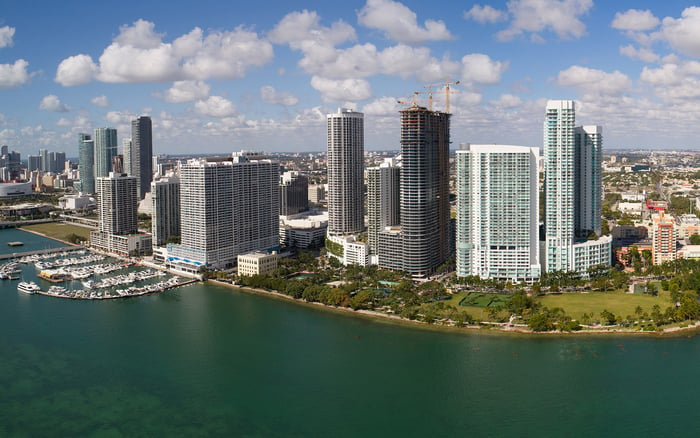
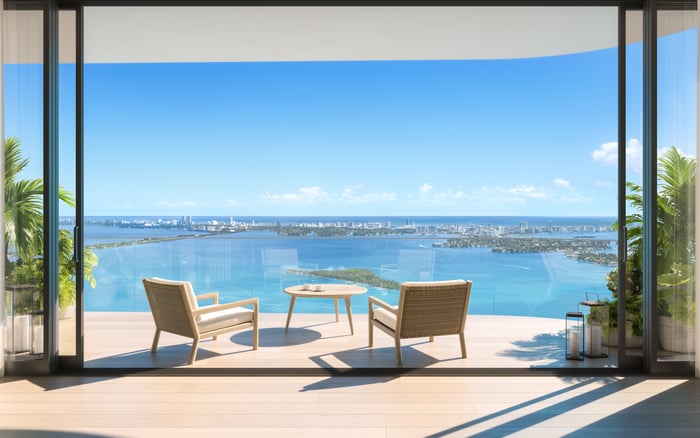
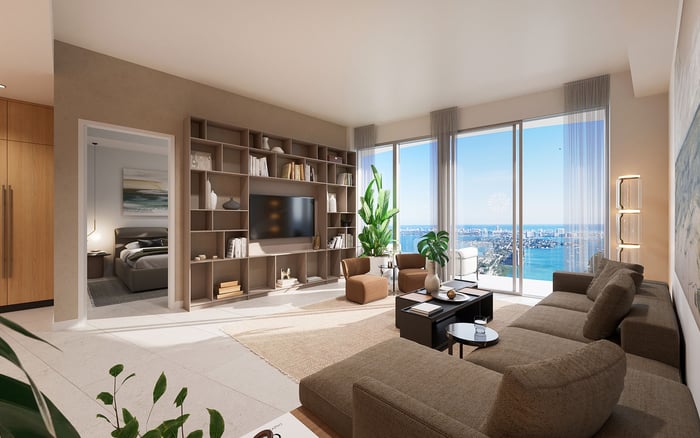
For an Edgewater second home, staffing and storm-readiness deserve the same scrutiny as views, finishes, and amenities. The right operating model can protect privacy, clarify recurring expenses, and make every arrival feel effortless.
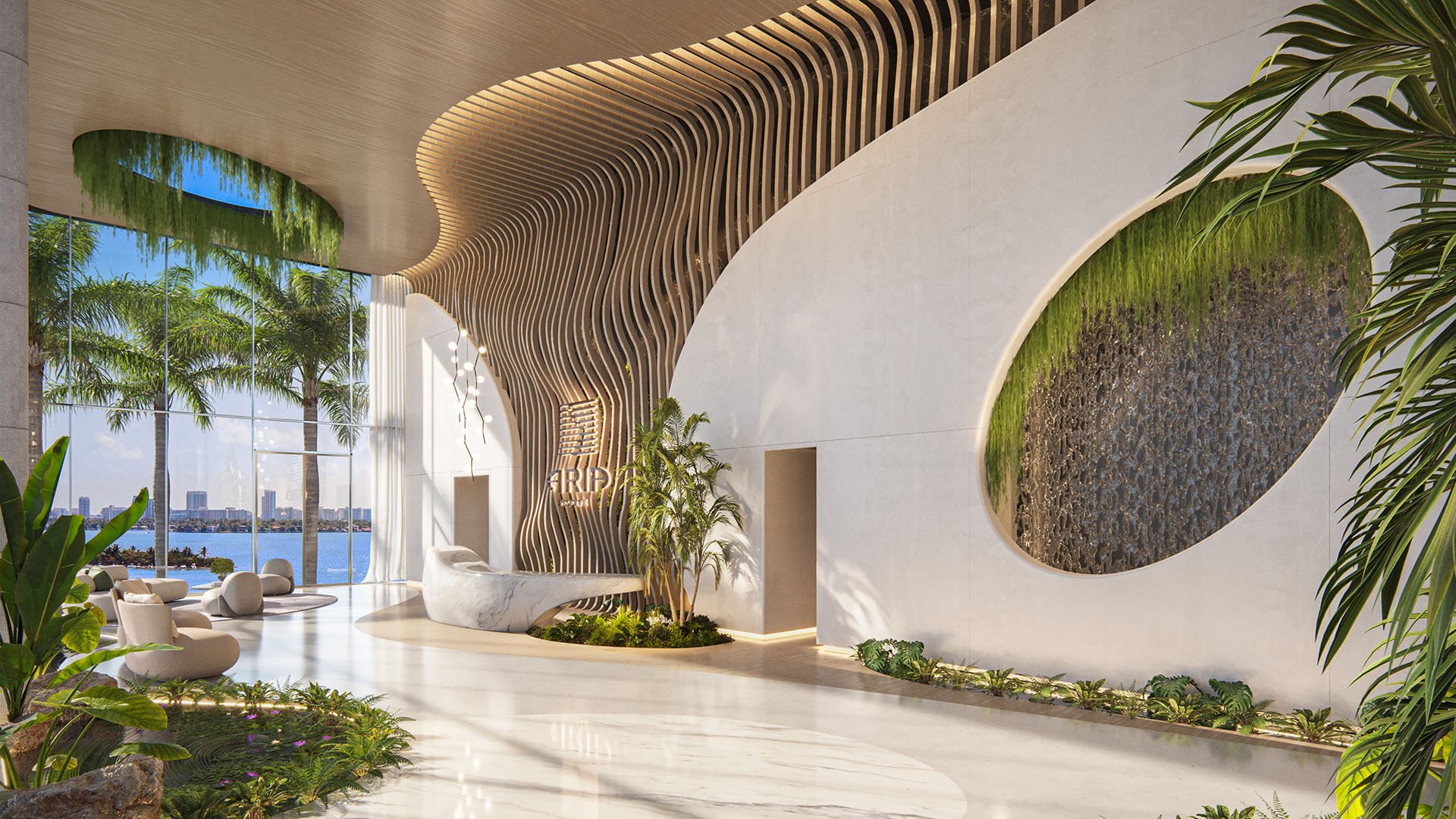
A seasonal residence is more than a home occupied for part of the year. It is an operating system that must continue to function while the owner is elsewhere. In Edgewater, buyers often begin with architecture, bay outlooks, amenity programming, and proximity to the rest of Miami. More revealing are the questions that arise after departure: who checks the residence, who can authorize access, what the building handles, and what remains the owner's responsibility.
Those answers shape both carrying costs and the lived experience. A lean arrangement may preserve discretion but demand more personal coordination. A service-intensive model can streamline arrivals while adding recurring expenses and expanding the circle of people with potential access. Neither is inherently superior. The objective is alignment among the residence, the building's operating culture, and the owner's preferred level of involvement.
The monthly assessment is only one line in a seasonal ownership budget. Buyers should also account for residence management, housekeeping, periodic inspections, vendor supervision, climate monitoring, insurance-related requirements, and pre-arrival preparation. Building personnel may cover some needs; others may require the owner's private team. That allocation should be confirmed, not assumed.
A useful budget distinguishes fixed expenses from event-driven costs. Fixed items recur whether or not the home is occupied. Event-driven costs may arise from extended absences, maintenance visits, severe-weather preparation, post-event inspections, or an accelerated return to Miami. This distinction makes competing residences easier to compare and avoids treating every service as part of a generalized luxury premium.
Buyers considering Aria Reserve Miami or EDITION Edgewater can apply the same operating worksheet to each candidate. The comparison should center on documented responsibilities, available service pathways, access controls, and the owner's likely need for outside support-not assumptions shaped by branding or presentation.
Privacy depends on process. Ask how staff and vendors are admitted, whether entry is logged, who retains keys or digital credentials, and how the owner is notified before non-emergency access. Buyers should also define who may approve work in their absence and whether that authority expires automatically.
For some households, a dedicated residence manager provides continuity and a single accountable contact. For others, it introduces another layer between the owner and the building. The right structure may depend on family-office procedures, household staffing, art or wine storage, pet arrangements, and the frequency of guests. Sensitive details should be shared only with those who need them.
When touring Lilli Miami Edgewater, treat privacy protocols as a matter of operational due diligence. Request a clear account of routine entry, emergency access, vendor escorting, package handling, and recordkeeping. The goal is not zero access, but access that is controlled, visible, and properly authorized.
A storm lock-up plan should identify tasks, decision-makers, timing, documentation, and the route back to normal operations. Owners should clarify what the building handles in common areas and what must be completed inside the residence. The plan may include securing movable exterior items, confirming that openings are closed, protecting sensitive interiors, checking power-dependent systems, and documenting conditions before and after an event.
Balcony preparation warrants explicit attention because responsibility for furnishings and movable objects may rest with the owner. A written inventory can eliminate ambiguity. The plan should also specify whether private staff can access the property if building operations or local conditions change.
A residence manager should do more than report that the home is secure. The owner should receive a concise record of completed tasks, exceptions, photographs where appropriate, and any recommended follow-up. If the owner's arrival is imminent, the reopening sequence matters as well. Comfort depends on restoring the residence thoughtfully, not merely unlocking the door.
Waterfront ownership can feel effortless when the service structure aligns with the owner's calendar. It can become surprisingly administrative when responsibilities are fragmented. Before committing, map a typical year: arrival dates, travel periods, guest stays, vendor appointments, and the possibility of plans changing at short notice.
Second-home buyers who prize spontaneity may prefer a model with a single point of coordination. Owners who value control may favor a smaller approved team and direct authorization for each visit. An investment perspective introduces another question: whether the operating budget remains acceptable during a year of limited personal use. Any intended rental use should be evaluated separately against governing documents and professional advice.
Candidates such as The Cove Residences Edgewater and Villa Miami belong in a broader comparison of service expectations, privacy procedures, and owner responsibilities. The strongest choice is the residence whose operating rhythm complements the household rather than forcing the household to adapt.
Request current governing documents, service descriptions, fee schedules, access procedures, and emergency protocols. Then have counsel, insurance advisers, and property-management professionals review the responsibilities relevant to your use case. Verbal reassurance is no substitute for written clarity.
Finally, conduct a tabletop exercise. Imagine leaving for three months, authorizing a repair from abroad, preparing for a storm, and returning with 24 hours' notice. Identify every person, approval, fee, and handoff involved. If the sequence feels cumbersome on paper, it is unlikely to feel more elegant in practice.
What is seasonal staffing in a luxury residence? It is the combination of building personnel and private household support used while an owner is present or away.
Why can staffing affect carrying costs? Private management, inspections, housekeeping, vendor oversight, and arrival preparation may fall outside regular building charges.
Should a buyer rely solely on building staff? Only after confirming in writing which in-residence tasks they perform, what they charge, and where their responsibility ends.
What should a storm lock-up plan contain? It should assign tasks, authorization, timing, access, documentation, communications, and post-event follow-up.
Who should be allowed into an unoccupied residence? Access should be limited to approved people under a documented protocol with appropriate notice and records.
How can an owner protect privacy while using vendors? Use a narrow approved-vendor list, time-limited credentials, escort rules, and a single accountable coordinator.
What records should an absent owner receive? A concise log of entries, completed work, exceptions, costs, and condition documentation provides a practical baseline.
How should competing Edgewater residences be compared? Apply one worksheet covering fixed costs, event-driven costs, staff scope, access control, and emergency responsibilities.
Can a lean staffing model still feel luxurious? Yes. Luxury can come from precise preparation, trusted contacts, and reliable execution rather than staffing volume.
Which advisers should review the ownership plan? Buyers may consult counsel, insurance advisers, tax professionals, and experienced residence managers for tailored guidance.
For a confidential assessment and a building-by-building shortlist, connect with MILLION.
If branded residences are on your mind — as a home or as an allocation — we would be glad to share what we are seeing, privately.
Begin a quiet conversation