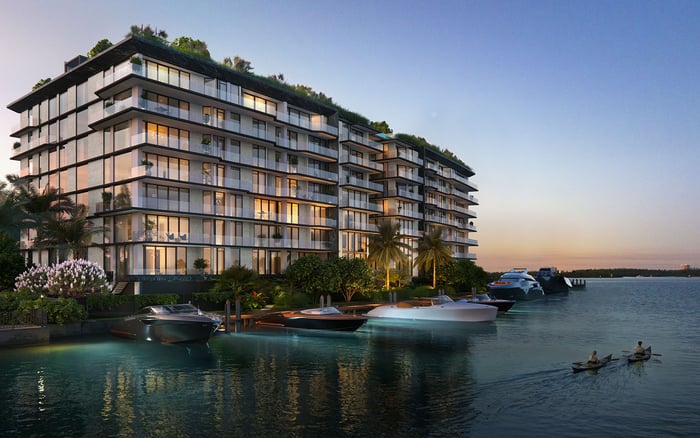
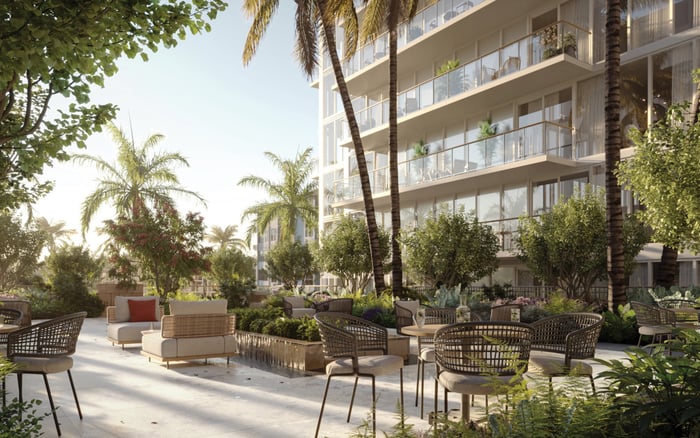
For a seasonal owner, the quality of a Bay Harbor Islands residence is measured partly by what happens in the owner’s absence. Staffing, storm preparation, access control, and post-event inspections can influence annual costs, privacy, and the ease of returning home.
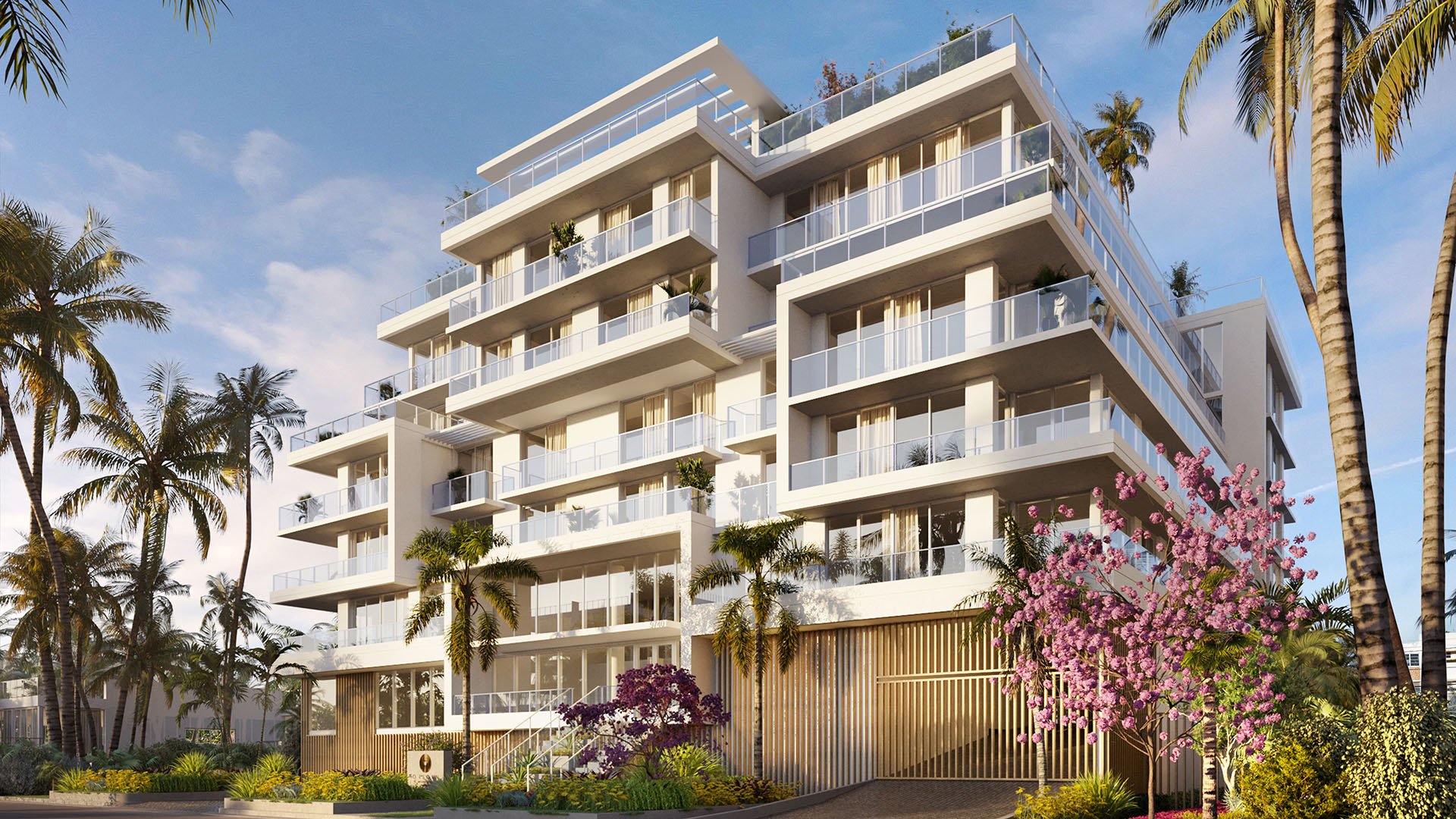
For a seasonal buyer in Bay Harbor Islands, carrying costs extend beyond the expenses shown on a closing statement or association budget. The residence must continue to operate while its owner is elsewhere. That may require routine oversight, vendor access, climate monitoring, exterior preparation, interior protection, and a carefully sequenced reopening before arrival.
The central question is not simply whether a building provides service. It is whether the building’s operating model, the owner’s private staffing plan, and the household’s expectations work together without unnecessary duplication. A highly attended property can feel effortless, yet it may introduce more access points and recurring expenses. A leaner model can preserve discretion, but it may require the owner to assemble and supervise a private team.
Begin with three distinct cost categories: recurring building obligations, privately contracted care, and event-driven work. The third is easy to underestimate because it may encompass preparation, post-event inspections, repairs, cleaning, provisioning, or expedited vendor attendance.
Establish a clear division of responsibility. Determine what building personnel will handle in common areas, what may occur at the residence threshold, and what remains entirely the owner’s responsibility. If a house manager, caretaker, cleaner, or specialized technician will be retained, define whether the role is year-round, seasonal, on call, or activated only before arrivals and departures.
Second-home ownership benefits from an annual budget with a contingency rather than a single monthly estimate. The objective is not to predict every intervention, but to distinguish fixed services from optional ones and identify those that could become time-sensitive.
Service intensity should reflect how the residence will actually be used. An owner making frequent short visits may value rapid opening, wardrobe preparation, grocery placement, and immediate coordination. A household occupying the property for several continuous months may prefer lighter absence management and greater privacy while in residence.
Boutique scale does not, by itself, resolve the staffing question. Buyers should examine coverage, escalation procedures, vendor coordination, key custody, and communication practices. Ask who receives an alert, who has authority to enter, and how the owner is notified after access occurs.
Privacy is strongest when permissions are narrow and documented. Consider separate credentials for household staff and vendors, time-limited access, written entry protocols, and a current inventory of keys, remotes, and digital permissions. Lifestyle convenience should not depend on informal arrangements that are difficult to audit.
A storm lock-up plan should be more than a promise that someone will check the home. It should identify the trigger for action, the person authorized to make decisions, the permitted tasks, the required documentation, and the process for reopening afterward.
Balcony preparation deserves an explicit assignment of responsibility. The same applies to loose exterior items, interior furnishings near openings, power-dependent systems, water-related checks, and access for approved technicians. The plan should also address what happens if the preferred caretaker is unavailable or access conditions change.
Do not assume that building preparation and in-residence preparation are interchangeable. Waterfront ownership may involve a building-wide response alongside a separate private-residence protocol. Buyers should ask how these layers coordinate, whether private vendors face access restrictions, and how urgent owner communications are delivered.
After any activation, request a concise record of completed tasks, observations, entries, and recommended follow-up. This creates continuity among the building team, the owner’s representative, and any specialist engaged later.
Project comparisons are most useful when they focus on governance and practical fit rather than names alone. A buyer considering Alana Bay Harbor Islands might use the same absence-management questionnaire when reviewing Bay Harbor Towers. Consistent questions bring meaningful differences into sharper focus.
Apply the same discipline when evaluating La Baia North Bay Harbor Islands alongside The Well Bay Harbor Islands. Request current written policies and agreements, then test them against the household’s calendar, privacy preferences, staffing relationships, and tolerance for variable costs.
For each Bay Harbor option, map the owner journey from final departure through the first night back. Who secures the residence? Who responds to an alert? Who authorizes entry? Who prepares the home for arrival? A vague answer at any stage signals a task that may later become an added expense or source of friction.
Before committing, prepare a one-page brief covering occupancy months, expected visit frequency, household staff, authorized vendors, access preferences, communication hierarchy, and storm-response authority. Add a simple matrix identifying which party handles each task and whether the cost is fixed, optional, or event-driven.
Then review the plan with the relevant building representatives and professional advisers. The right fit is the residence with a proportionate service structure: enough support to protect time and continuity, but not so much complexity that privacy or control is diluted.
What is seasonal staffing in a luxury residence? It is the combination of building personnel and privately retained help used to oversee, prepare, and maintain a home during periods of occupancy and absence.
Can more staffing increase carrying costs? Yes. Private caretaking, cleaning, coordination, and arrival preparation can create recurring or event-driven expenses beyond core building obligations.
Can a lean staffing model also cost more? It can if the owner must separately retain multiple vendors or request urgent service. The relevant measure is total annual operating cost, not headcount alone.
What should a storm lock-up plan contain? It should define activation triggers, authorized decision-makers, permitted tasks, access procedures, documentation, backup contacts, and reopening steps.
Who should be allowed to enter during an absence? Access should be limited to specifically authorized people acting for defined purposes. Owners should also determine how each entry will be recorded and communicated.
How does privacy relate to convenience? Convenience often requires delegation and access. Privacy improves when those permissions are specific, time-limited, documented, and regularly reviewed.
Should building staff replace a private caretaker? Not necessarily. Buyers should compare the building’s defined responsibilities with the residence-specific tasks they expect a private caretaker to perform.
What should buyers ask about vendor access? Ask about approval, scheduling, credentials, supervision, emergency entry, restricted periods, and the process for documenting completed work.
How should seasonal owners budget for storm preparation? Separate routine expenses from activation-dependent work and maintain a contingency. Clarify rates, authority limits, and approval procedures before service is needed.
What best indicates lifestyle fit? The operating model should align with the household’s travel pattern, desired privacy, response expectations, and willingness to manage people and variable expenses.
To compare the best-fit options with clarity, connect with MILLION.
If branded residences are on your mind — as a home or as an allocation — we would be glad to share what we are seeing, privately.
Begin a quiet conversation