For seasonal owners in Surfside, the decisive luxury may be operational certainty: a residence that remains secure, maintained, accessible, and ready long before the owner arrives.

A seasonal condo search in Surfside begins differently from a conventional primary-home purchase. The central question is not simply whether a residence looks exceptional on arrival, but whether the home, building, and staff can preserve that experience through months of absence.
For a second-home buyer, lock-and-leave reliability should rank alongside architecture, exposure, and interior finish. Security, maintenance, parking, package handling, vendor access, emergency procedures, and pre-arrival readiness become part of the residence itself. Operations are a defining element of luxury, not an administrative detail.
A polished arrival reveals little about what happens when an owner is elsewhere. Buyers should ask who can enter the unit, how authorization is documented, where keys are held, and whether building personnel can coordinate approved vendors. Package storage, vehicle protocols, leak response, storm preparation, and post-event inspections also warrant written answers.
The strongest diligence reflects a realistic absence. Imagine leaving for six months: Who checks the residence? How is an urgent issue escalated? Can groceries, housekeeping, or maintenance be arranged before arrival? A building that answers these questions clearly may offer greater practical value than one with a longer amenity menu.
Branded residences can appeal to seasonal owners because they pair private ownership with hospitality-style service. Yet the brand alone does not define the experience. Buyers must understand which services belong to the condominium, which are shared with a hotel, what requires separate payment, and how access works during busy periods.
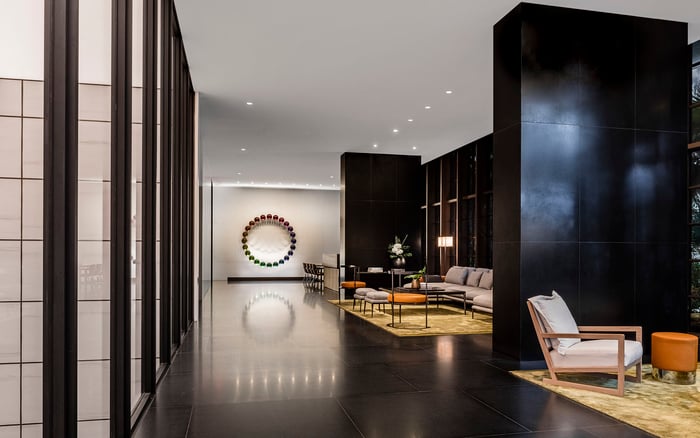
The Surf Club Four Seasons Surfside offers a useful case study. Completed in 2017 at 9001 and 9111 Collins Avenue, the complex combines two 12-story residential towers with a 77-room hotel. Its 150 private condominiums, including 12 penthouses, occupy approximately eight acres of oceanfront grounds. Richard Meier designed the modern residential component to integrate with the historic Surf Club building.
That scale can support a highly serviced environment while creating substantial landscaping, staffing, amenity, and maintenance obligations. The private residences are sold out, so buyers generally enter through resale inventory and should examine the current service structure rather than rely on the original sales narrative.
Seasonal ownership places a premium on certainty. A completed, operational condominium allows a buyer to inspect staffing patterns, common areas, arrival procedures, financial records, and the lived quality of management. A proposed development may offer design appeal, but it cannot provide the same evidence of current performance or guarantee near-term seasonal use.
Within Surfside, Arte Surfside and Fendi Château Residences Surfside broaden the comparison beyond a single service model. The objective is not to choose by name alone, but to evaluate how each association handles absences, privacy, guests, deliveries, maintenance, and emergency access.
Owners hoping to offset carrying costs should verify minimum lease terms and rental restrictions before making an offer. At The Surf Club, the structure favors longer-term occupancy over transient use. That may support privacy and residential continuity, but it can limit short seasonal rentals.
Request current rules directly from the association, including policies for tenants, guests, amenity access, parking, keys, move procedures, and vendor entry. Rules can change, and an elegant rental projection has little value if the condominium documents do not permit the intended schedule.
A quieter boutique setting may suit an owner who values discretion and straightforward routines, while a larger hospitality environment may appeal to someone seeking more coordinated service. Ocean House Surfside belongs within the existing-building set, while The Delmore Surfside illustrates why timing should remain explicit when comparing newer opportunities with residences available for near-term use.
For every candidate, compare association budgets, reserves, management practices, insurance responsibilities, staffing, and services available during an owner’s absence. The right choice aligns not only with taste, but also with how frequently the owner visits and how much coordination the household expects.
Before committing, obtain written rules and financial materials, then test them against a personal ownership calendar. Clarify who will monitor the unit, prepare it before arrival, manage vehicles and packages, and respond when the owner cannot travel.
In Surfside, the most persuasive luxury condo may not be the one that photographs best. It may be the residence that performs quietly through every month the owner is away, then feels entirely ready at the moment of return.
Why does seasonal ownership change a Surfside condo search? Long absences make security, maintenance, access, and arrival readiness as important as design and views.
What does lock-and-leave reliability mean? It means the residence can remain secure, maintained, and professionally managed without the owner’s constant presence.
Which building rules should a buyer request? Ask for current written rules covering rentals, guests, amenities, keys, parking, vendors, deliveries, and emergency entry.
Why are completed buildings useful for seasonal buyers? They allow buyers to evaluate actual management, staffing, common areas, procedures, and financial records before closing.
Are branded residences automatically easier to own seasonally? Not automatically. Buyers should distinguish condominium services from hotel services and identify added fees or access conditions.
Is The Surf Club available directly from the developer? Its private residences are sold out, so interested buyers generally need to consider resale opportunities.
Can seasonal owners rent their condos between visits? Possibly, but minimum lease terms and rental restrictions vary and must be confirmed before an offer.
What financial records matter most? Review association budgets, reserves, shared expenses, maintenance obligations, and the cost structure supporting staff and amenities.
How should buyers evaluate pre-arrival service? Ask whether approved staff or vendors can inspect, clean, stock, and prepare the residence under documented access procedures.
What is the best final test for a seasonal condo? Map the building’s procedures against a realistic six-month absence and confirm every important promise in writing.
For a discreet conversation and a curated building-by-building shortlist, connect with MILLION.
If branded residences are on your mind — as a home or as an allocation — we would be glad to share what we are seeing, privately.
Begin a quiet conversation