A disciplined Palm Beach and Boca Raton comparison examines each waterfront property's exposure, construction, insurance structure, association documents, and storm-readiness plan before purchase.
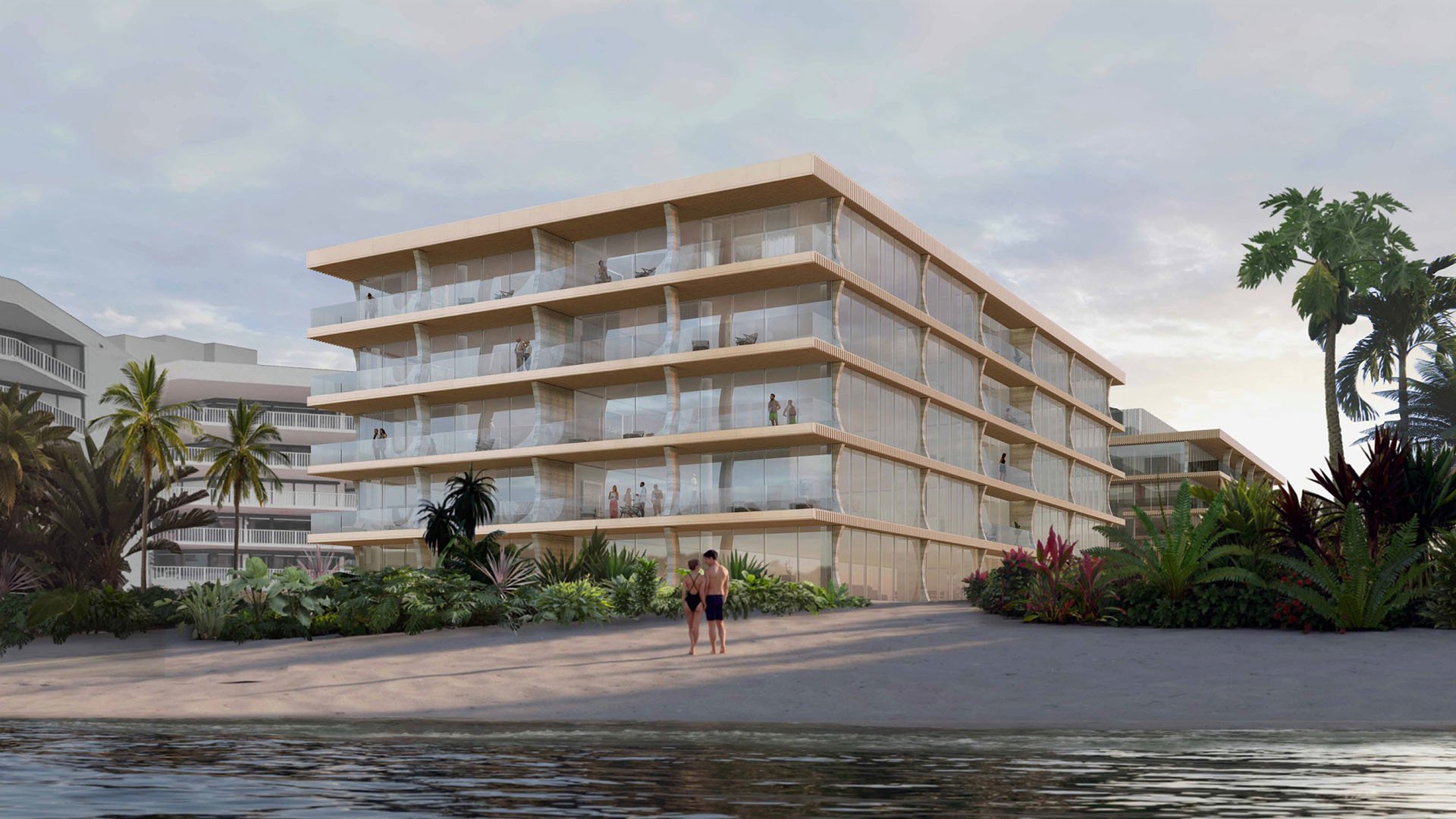
Choosing between Palm Beach and Boca Raton requires more than a city-level comparison. Buyers should identify the exact relationship between a residence and the water, then evaluate how that setting interacts with the building, insurance program, and ownership structure. An ocean-facing home, an Intracoastal residence, and a canal property may raise different questions even when they appear in the same broader market.
The first document set should establish the property's mapped flood designation, available elevation information, foundation design, ground-floor configuration, roof condition, opening protection, and intended use. Replacement-cost assumptions also deserve careful review because an insurance proposal is only meaningful when its limits reflect the residence and the scope of improvements being insured.
Waterfront diligence is strongest when the view, the structure, and the coverage are evaluated together.
For a Palm Beach waterfront residence, buyers should avoid treating prestige, location, or architectural quality as substitutes for technical diligence. The review should connect the property's waterfront orientation with its elevation documentation, structural characteristics, exterior improvements, and proposed insurance terms.
A house requires close attention to the roof system, protected openings, foundation, lower-level spaces, detached structures, and equipment. Written insurance proposals should explain how the policy addresses the main residence as well as docks, seawalls, boat lifts, generators, landscaping, and other exterior elements relevant to the property. Buyers should also compare deductibles, exclusions, valuation methods, and the responsibilities that remain with the owner.
Condominium diligence follows a different path. A residence at Palm Beach Residences can be used as a starting point for requesting the documents applicable to that particular building and unit. The buyer should distinguish the unit policy from association coverage and determine how the governing documents allocate responsibility for interiors, common elements, and post-loss reconstruction.
In Boca Raton, buyers can organize the search by waterfront setting and building format rather than treating every opportunity as one insurance category. Each candidate should be evaluated through its own documentation, inspection results, coverage proposals, and ownership obligations.
For a single-family residence, the review should address the primary structure and every waterfront or exterior improvement expected to remain after closing. For a condominium, the focus expands to the relationship between the unit policy and the association's insurance program. Master-policy limits, deductibles, exclusions, claims information, reserve materials, pending assessments, and reconstruction obligations should be reviewed together rather than in isolation.
Buyers considering Glass House Boca Raton, Alina Residences Boca Raton, or The Residences at Mandarin Oriental Boca Raton should request the current materials relevant to the specific residence under consideration. A project's name or location does not replace review of the documents, proposed policy terms, and unit-specific responsibilities.
Flood and wind diligence should proceed on parallel tracks. The flood review should examine available elevation records, mapped designation, foundation and lower-level configuration, proposed limits, exclusions, and any need for additional coverage. The wind review should examine the roof, roof connections where documented, opening protection, secondary water resistance where applicable, and the condition of exterior components.
A current inspection can help organize these questions, but buyers should confirm how the findings translate into actual underwriting. A feature noted in an inspection does not automatically establish eligibility, pricing, or coverage. The insurer or qualified insurance adviser should provide written confirmation of the terms offered for the specific property.
Deductibles require the same care. Buyers should understand how each deductible is calculated, which events trigger it, and whether the owner could comfortably fund the resulting out-of-pocket amount. For condominium ownership, the analysis should also consider how an association deductible or uninsured loss could affect unit owners under the governing documents.
An attractive premium does not necessarily indicate broad protection. Buyers should compare policy forms, limits, deductibles, exclusions, valuation provisions, and endorsements rather than relying on a headline price. The review should identify which risks are addressed by the homeowners or unit policy, which require separate coverage, and which remain uninsured.
For single-family homes, ask for written treatment of docks, seawalls, lifts, generators, detached structures, outdoor furnishings, and other improvements. For condominiums, compare the unit policy with the master declarations and the association's allocation of responsibilities. Interior upgrades, personal property, temporary living costs, water intrusion, and reconstruction responsibilities should be discussed with the appropriate insurance and legal professionals.
The buyer should also verify that every quote reflects the intended ownership and occupancy plan. A primary residence, second home, or property with extended periods of vacancy may require different underwriting information. Any change in intended use should be disclosed before relying on a proposal.
Insurance is only one component of readiness. A practical storm plan should identify who will protect openings, secure outdoor items, monitor essential systems, inspect the property, and document conditions before and after severe weather. For a second home, these responsibilities should be assigned in writing to an available person or service provider.
Owners should maintain accessible copies of policies, inspections, inventories, photographs, and contact information. The plan should also address access for property managers, household staff, contractors, and emergency services where appropriate. Procedures should be realistic for the property's location, building rules, and periods when the owner is away.
Condominium buyers should ask how building-level preparations are communicated and which tasks remain the unit owner's responsibility. House buyers should establish separate protocols for the residence, waterfront improvements, vehicles, equipment, and exterior furnishings. The goal is a clear division of responsibilities before urgent conditions arise.
Begin by gathering the available property records, inspections, association materials, and insurance proposals early enough for the findings to inform negotiations. Match each proposal to the same replacement-cost assumptions, intended use, coverage scope, and deductible preferences so the comparison remains meaningful.
For a condominium, review the unit policy alongside the association's master insurance, governing documents, reserve information, available claims materials, and pending assessments. For a house, coordinate the structural review with written insurance treatment of the roof, openings, foundation, lower-level spaces, detached structures, and waterfront improvements.
Before closing, resolve discrepancies among the inspection, seller disclosures, association documents, and insurance proposals. Questions about coverage should be answered by a qualified insurance professional, while questions about governing documents and responsibility allocation should be directed to appropriate legal counsel.
The final choice between Palm Beach and Boca Raton should rest on the evidence for the specific residence: its waterfront setting, physical resilience, insurability, ownership obligations, and practical storm plan. For discreet guidance on comparing South Florida waterfront opportunities, connect with MILLION.
If branded residences are on your mind — as a home or as an allocation — we would be glad to share what we are seeing, privately.
Begin a quiet conversationNo. The analysis should focus on the specific property's waterfront setting, construction, insurance terms, and ownership obligations.
Request available elevation records, inspections, insurance proposals, disclosures, and relevant association materials before the findings can no longer influence negotiations.
They involve different property characteristics, policy terms, limits, deductibles, and exclusions. Reviewing both tracks helps reveal gaps in the overall coverage plan.
It should address the main structure, roof, openings, foundation, lower-level spaces, and written treatment of exterior or waterfront improvements.
They should review the association's master insurance, deductibles, governing documents, reserve information, available claims materials, and reconstruction responsibilities.
They provide the basis for evaluating whether proposed limits reflect the residence and the improvements intended to be insured.
Buyers should confirm how each deductible is calculated, what triggers it, and whether they can fund the resulting out-of-pocket amount.
No. Inspection findings should be submitted for property-specific underwriting and confirmed in writing by the insurer or qualified insurance adviser.
It should assign responsibility for securing the property, monitoring systems, controlling access, and documenting conditions before and after severe weather.
Coverage questions should go to a qualified insurance professional, while governing-document and responsibility questions should be reviewed with appropriate legal counsel.