A buyer-focused look at how Florida condominium warranty rights, association turnover, Chapter 558 procedures, milestone inspections, and reserve obligations can shape the choice between Coral Gables and Boca Raton luxury residences.
For a buyer deciding between Coral Gables and Boca Raton, developer warranty obligations rarely begin as the headline issue. Lifestyle usually leads: proximity to Miami’s cultural and financial core, private-school routines, country-club patterns, beach access, marina habits, or the quieter rhythm of Palm Beach County. Yet once the search narrows to new or recently delivered condominium product, warranty diligence can become the variable that changes the answer.
Florida’s condominium warranty framework applies statewide. A buyer in Coral Gables and a buyer in Boca Raton begin with the same legal baseline for new condominium warranties, including implied warranties of fitness and merchantability for the intended purposes or uses. For certain condominium improvements, the developer warranty period can extend until three years after completion or one year after non-developer owners take control of the association, whichever occurs last, subject to a five-year outside limit.
That is the formal structure. The practical experience can feel very different. A warranty right is only as useful as the evidence behind it, the party prepared to assert it, the association’s sophistication, and the project team’s capacity to respond. For high-end buyers, the refined question is not simply, “What does Florida law provide?” It is, “Who will enforce it, how quickly, with what records, and with what financial resources?”
New and recently completed condominiums deserve special attention because the transition from developer control to owner control affects how some rights are practically asserted. During a building’s early years, owners may be assessing common-element performance, water intrusion concerns, mechanical systems, finishes, amenities, and structural documentation while the association is still maturing into its post-turnover role.
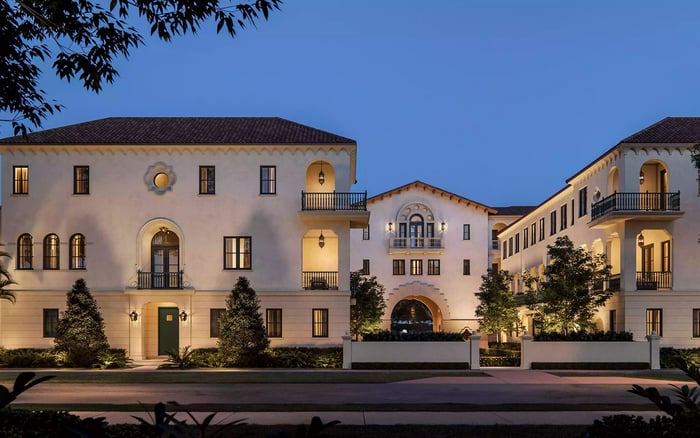
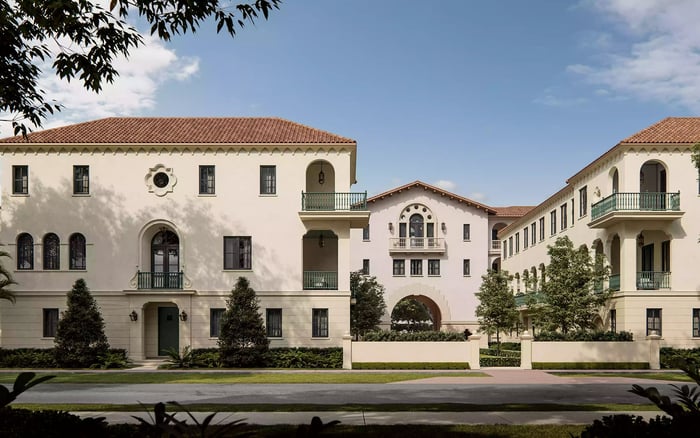
In Coral Gables, buyers reviewing opportunities such as Cora Merrick Park and Ponce Park Coral Gables may be drawn to the city’s architectural language and established residential character. In Boca Raton, buyers looking at projects such as Alina Residences Boca Raton may be weighing a different luxury ecosystem: club culture, Palm Beach County ease, and a residential cadence that often feels less tied to Miami’s daily intensity.
Warranty diligence cuts across both visions. A pristine lobby, a gracious porte cochere, or a museum-quality residence does not answer the deeper question of whether the association has the documents, consultants, reserves, and governance culture to pursue defects if they appear. In practical search language, this is a New-construction and Pre-construction question as much as a Coral Gables versus Boca Raton question.
Florida’s construction-defect framework includes a pre-suit process that generally involves notice, inspection, and an opportunity to resolve claims before litigation. For the luxury buyer, this matters because enforcement is not an abstract legal entitlement. It is a sequence: preserve evidence, give timely notice, allow access, coordinate experts, and keep the association aligned.
That sequence is not necessarily a negative. It can create order around difficult conversations. But it does mean that a buyer comparing buildings should ask how the association records conditions, how quickly management escalates complaints, whether board members understand construction issues, and whether counsel and engineering advisers are already in place or would need to be assembled under pressure.
The developer is not the only party in the warranty analysis. Florida condominium warranty rules also address contractors, subcontractors, and suppliers. That broadens the field of potential responsibility, but it also expands the diligence question. Buyers and counsel may want to understand which project participants remain reachable, how documentation is organized, and whether the association has preserved the right factual record.
Coral Gables adds a distinctive local layer through its development services environment and design-oriented planning identity. For buyers, that can read as a mark of civic discipline. The city’s architectural controls may contribute to a more curated built environment, one reason Coral Gables continues to resonate with buyers who value restraint, permanence, and neighborhood composition.
The same discipline can also add complexity when a defect requires correction, a renovation requires review, or a common-area solution must fit within the local approval culture. That does not make Coral Gables riskier. It means sophisticated buyers should ask how a building’s board, manager, architect, and legal team would navigate corrections in a city where design and approval processes matter.
A buyer considering The Village at Coral Gables, for example, may think beyond floor plans and finishes to the project’s long-term operating posture. How are punch-list items tracked? When does the association assume meaningful control? What is the protocol if a recurring issue moves from inconvenience to potential warranty claim? In Coral Gables, elegance and governance should be evaluated together.
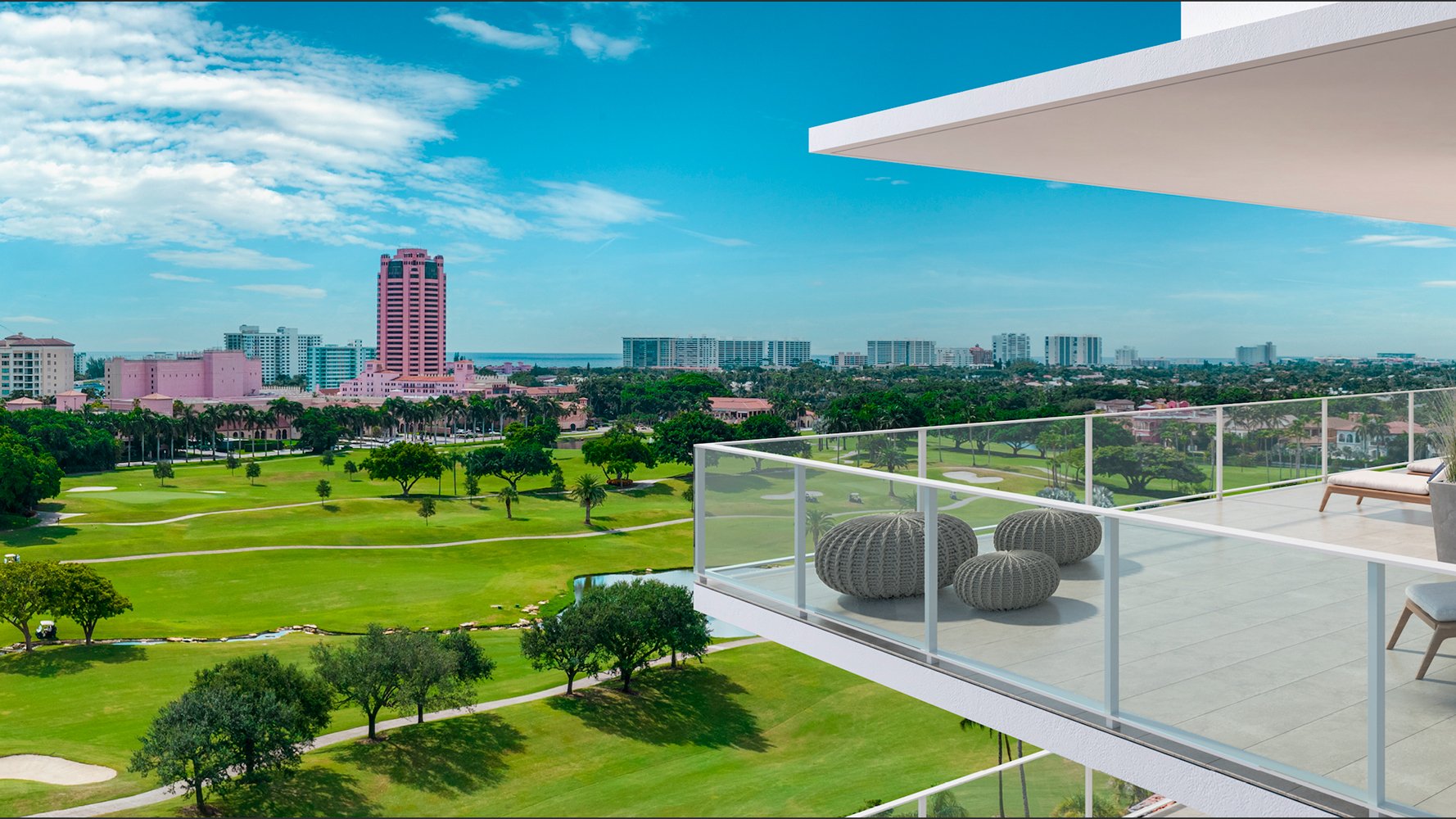
Boca Raton presents a different set of buyer instincts. The city’s permitting and development-services environment frames how new construction proceeds, while the market’s luxury appeal often blends condominium living with golf, coastal access, gated-community expectations, and a more northern South Florida rhythm. The warranty question in Boca is not whether the law changes. It does not. The question is whether the buyer prefers the project, association structure, and local administrative context surrounding the residence.
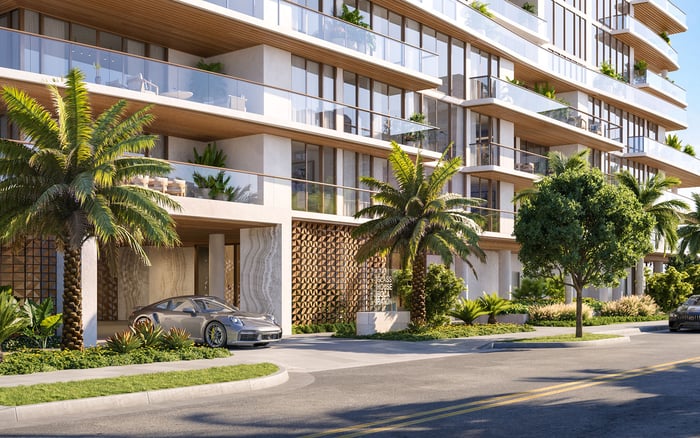
In Boca Raton, a buyer comparing Glass House Boca Raton with other premium offerings should study the same fundamentals: developer history, turnover timeline, construction documentation, maintenance culture, reserve posture, and how management handles owner concerns. For branded or hospitality-adjacent luxury, the service layer may be alluring, but it should not distract from the underlying condominium governance structure.
Boca Raton may be a search label, but the real purchase decision is specific. One building can have a highly organized association and another can be less prepared, even within the same municipality. Buyers should avoid treating the city name as a proxy for building-level diligence.
The Surfside tragedy intensified scrutiny of structural integrity across South Florida multifamily buildings. Florida now requires milestone inspections for many condominium and cooperative buildings that are three stories or higher, and both Coral Gables and Boca Raton sit within the broader post-Surfside regulatory environment. For luxury buyers, this has changed the tone of diligence.
Aesthetic confidence is no longer enough. Buyers now examine inspection history, structural documentation, engineering communications, deferred maintenance, and the financial capacity to act when a building identifies a needed repair. Structural-integrity reserve study obligations also make reserve funding a warranty-adjacent issue. A warranty claim may address responsibility for a defect, but reserves determine whether an association can respond intelligently while the claim is being evaluated.
This is where preference can shift. If two residences offer comparable architecture, views, amenities, and location fit, the stronger association and clearer repair-funding picture may become decisive. In an ultra-premium purchase, risk allocation is part of luxury. Silence, uncertainty, and underfunding are not.
The most disciplined approach is to compare buildings, not just cities. Ask when the relevant improvements were completed, when owner control occurred or is expected, and how those dates interact with warranty periods. Review association minutes, engineering correspondence, turnover materials, reserve studies, budgets, insurance context, and any pattern of owner complaints involving water, mechanical systems, façade performance, balconies, life-safety systems, or common-area amenities.
The final choice between Coral Gables and Boca Raton may still be emotional. Coral Gables offers a rare blend of civic formality, canopy, cultural proximity, and architectural continuity. Boca Raton offers space, polish, club sensibility, and Palm Beach County calm. Warranty questions do not replace those preferences. They refine them.
For the right buyer, the city with the stronger building-level answers may become the better luxury decision.
Does Florida condominium warranty law differ between Coral Gables and Boca Raton? No. The baseline condominium warranty framework applies statewide, so the legal starting point is the same in both cities.
Why can the practical warranty outcome still differ by city? Local permitting culture, association strength, turnover timing, and project documentation can make enforcement feel very different from building to building.
What is the most important warranty question for a new condo buyer? Ask who will enforce the warranty, how quickly they can act, and whether the association has records, advisers, and funding.
Why does developer turnover matter? Turnover affects when non-developer owners control the association and how effectively common-element issues can be investigated and asserted.
Does Chapter 558 apply in both markets? Yes. Florida’s construction-defect pre-suit process applies statewide and typically involves notice, inspection, and an opportunity to resolve.
Should buyers rely only on the developer’s financial strength? No. Contractors, subcontractors, and suppliers can also matter, and the association’s evidence and coordination are critical.
How did Surfside change buyer diligence? It heightened focus on structural integrity, inspection history, engineering records, maintenance practices, and reserve funding.
Are milestone inspections relevant to luxury buyers? Yes. Many condominium and cooperative buildings of three stories or higher are subject to milestone inspection requirements.
Can reserves affect a warranty decision? Yes. Reserves influence whether an association can investigate, maintain, and repair while responsibility is being determined.
Which city is safer from a warranty perspective? Neither city should be treated as categorically safer. The better answer depends on the specific building, association, records, and project team.
When you're ready to tour or underwrite the options, connect with MILLION.
If branded residences are on your mind — as a home or as an allocation — we would be glad to share what we are seeing, privately.
Begin a quiet conversation